
The Art of Gracious Interaction: Mastering Etiquette in Modern Social Spaces
In an era where first impressions can shape careers and relationships alike, understanding modern social etiquette has become essential. The way we conduct ourselves at gatherings, both formal and informal, reflects our character and influences how others perceive us.
From business luncheons to casual meetups, maintaining appropriate behavior is crucial for building meaningful connections. This guide explores the nuances of proper interaction that help individuals navigate various social settings with confidence and poise.
Understanding the Foundations of Proper Conduct
At its core, good etiquette stems from respect towards others’ feelings and boundaries. It’s not merely about following rigid rules but rather cultivating awareness of how our actions affect those around us.
Awareness begins with active listening. When engaged in conversation, giving full attention shows genuine interest in what others have to say. Avoid distractions like checking your phone or looking around the room while someone speaks.
Maintaining eye contact during conversations is another fundamental aspect. However, cultural norms vary regarding direct gaze; be mindful of these differences when interacting across cultures.
- Respect personal space: Keep a comfortable distance based on the relationship you share with the person.
- Use polite language: Employ courteous expressions such as please, thank you, and excuse me regularly.
- Show consideration: Be aware of noise levels, avoid interrupting others mid-sentence, and refrain from dominating discussions.
Navigating Professional Networking Environments
Business events require a distinct approach to social interactions compared to purely personal occasions. Here, professionalism plays a key role alongside warmth and approachability.
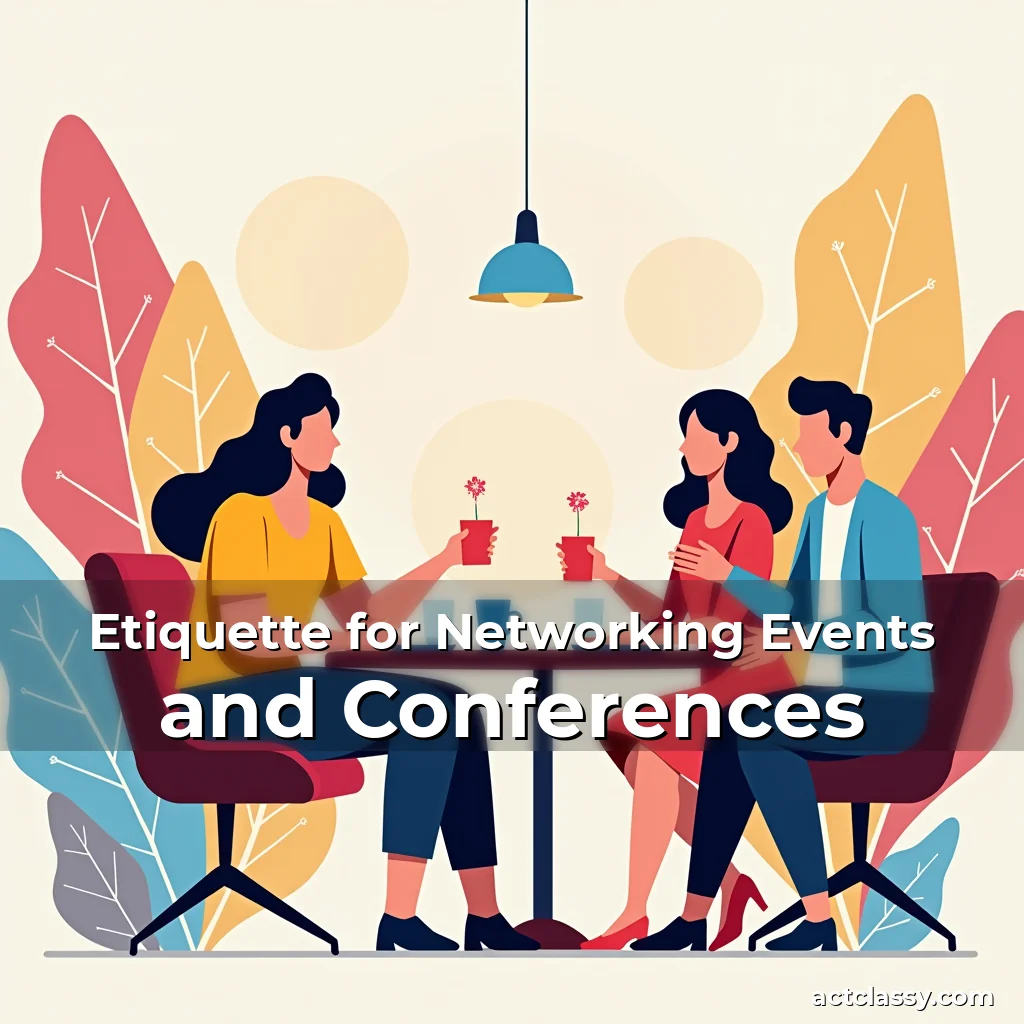
When meeting new contacts at conferences, start with a firm handshake and maintain friendly yet composed body language. A warm smile signals openness without appearing overly eager.
Your attire should reflect both professional standards and comfort level suitable for the event type. Researching dress codes beforehand helps ensure appropriateness while avoiding extremes of underdressing or over-dressing.
Engage in thoughtful dialogue by asking open-ended questions that encourage deeper exchanges rather than yes/no responses. Topics like industry trends or recent projects often lead to productive conversations.
Cultivating Conversational Skills
Effective communication goes beyond mere words spoken; it involves how messages are delivered and received. Developing strong conversational skills enhances interpersonal relationships significantly.
Active listening remains vital here too – nodding occasionally, paraphrasing points made by others, and offering relevant feedback demonstrate engagement. These behaviors foster mutual trust and understanding between participants.
Varying tone and pace according to context also contributes positively. For instance, using softer tones may convey empathy whereas slightly raised voices might indicate enthusiasm or urgency depending upon situations.
Being adaptable allows individuals to adjust their style appropriately whether they’re speaking formally at meetings or informally among friends.
Ethical Considerations in Social Interactions
Maintaining ethical standards ensures that all interactions remain respectful and fair. Honesty forms the foundation of trustworthy relationships built through integrity-based dealings.
Treating everyone equally regardless of background promotes inclusivity which strengthens community bonds. Discrimination based on any factor undermines shared goals and creates unnecessary divisions amongst people.
Confidentiality deserves special mention within professional circles where sensitive information must stay protected unless explicitly authorized otherwise.
Always consider potential consequences before sharing stories or opinions that could impact others negatively. Thoughtful reflection prevents unintentional harm caused by careless remarks.
Managing Digital Etiquette Across Platforms
In today’s interconnected world, digital correspondence demands particular care since online communications lack nonverbal cues present face-to-face encounters.
Emails benefit greatly from clear subject lines that summarize content briefly. Starting each message with a greeting followed by purpose statement maintains structure and clarity.
Social media usage requires careful judgment regarding what gets posted publicly versus privately. Respecting privacy settings protects users against unwanted exposure of personal data.
Responding promptly to messages demonstrates reliability but shouldn’t compromise quality time spent offline with loved ones or colleagues.
Professional profiles on LinkedIn deserve extra attention due to their visibility among potential employers or collaborators seeking credibility assessments.
Special Situations Requiring Unique Approaches
Certain scenarios demand tailored approaches ensuring effectiveness without compromising principles upheld elsewhere. Weddings provide excellent examples requiring delicate balance between celebration spirit and decorum expectations.
Dress codes usually specify formal wear for ceremonies although cocktail attire becomes acceptable later during reception hours. Understanding venue-specific guidelines avoids awkward misunderstandings about appearances.
Gifting practices differ widely across cultures necessitating research prior to attending events abroad. In some regions exchanging gifts signifies deep appreciation whereas other places view it differently.
Funeral services call for solemnity emphasizing reverence rather than casual demeanor. Appropriate clothing choices match seriousness required while expressing condolences sincerely supports grieving families.
Building Lasting Relationships Through Consistent Behavior
Consistency breeds reliability making individuals easier to trust over time. Demonstrating consistent respect toward others reinforces positive perceptions consistently throughout varied circumstances encountered daily.
Following up after initial meetings strengthens newly formed connections turning brief encounters into lasting partnerships. Simple gestures like sending handwritten notes reinforce sincerity behind intentions expressed verbally earlier.
Maintaining regular contact through periodic check-ins keeps relationships alive preventing them from fading away despite busy schedules competing for limited time resources.
Expressing gratitude genuinely whenever possible transforms routine exchanges into memorable experiences cherished long after original interactions took place.
Conclusion
This exploration highlights how mastering etiquette enriches every facet of life including work environments, private engagements, virtual spaces, etcetera. By practicing conscious awareness combined with adaptability across diverse contexts, anyone can enhance their ability to connect meaningfully with others.
To apply these lessons effectively, commit yourself wholeheartedly to continuous learning journey focused on improving self-awareness while remaining receptive toward evolving societal norms shaping contemporary manners globally.


As someone who has always found himself involved with online media in one form or another in my career, I have developed a passion for educating myself on the latest developments in publishing and social media and try to bring my love of the medium into my numerous projects.
You May Also Like


The Art of Commanding the Stage: Mastering Public Speaking as an Etiquette-Conscious Professional
The Art of Commanding the Stage: Mastering Public Speaking as an Etiquette-Conscious Professional In today's interconnected professional world, the ability...


Creative Industry Dress Code Expectations
Creative Industry Dress Code Expectations The modern creative industry thrives on innovation, self-expression, and collaboration—but success often hinges on subtle...

Hosting Etiquette: Guest List Management
Hosting Etiquette: The Art of Creating Memorable Experiences Through Thoughtful Planning The art of hosting is often seen as an...
Modern Etiquette vs Traditional Protocol
Modern Etiquette vs Traditional Protocol In an era defined by rapid technological advancements and shifting societal values, the rules governing...
Related Posts

Luxury Lifestyle and Wellness Integration
Body Language During Video Conferences