Fine Dining Manners: Complete Table Setting Guide
The Art of Elegance: Mastering Fine Dining Etiquette in Modern Society
In an era where social interactions are increasingly influenced by digital connections, the art of fine dining remains a timeless testament to human refinement. For those who value sophistication, understanding the nuances of table etiquette is essential for leaving a lasting impression at high-end establishments.
This guide serves as your compass through the world of refined dining experiences, equipping you with knowledge that transcends mere formality. Whether attending a Michelin-starred dinner or a private gala, these principles will elevate your presence and deepen your appreciation for culinary arts.
Foundations of Fine Dining Etiquette
The cornerstone of exceptional dining lies in mastering fundamental protocols. These basic rules form the bedrock upon which all other aspects of table conduct rest, ensuring both comfort and respect among diners.
Proper seating arrangements reflect cultural norms and hierarchy within formal settings. Understanding the significance of seat placement can prevent awkwardness while demonstrating awareness of traditional customs.
Maintaining appropriate posture during meals conveys confidence and attentiveness. Slouching or leaning forward excessively may be perceived as disrespectful or uninterested in conversation.
Eye contact plays a crucial role in interpersonal communication. Maintaining respectful eye contact with fellow diners fosters connection without being intrusive or overly intense.
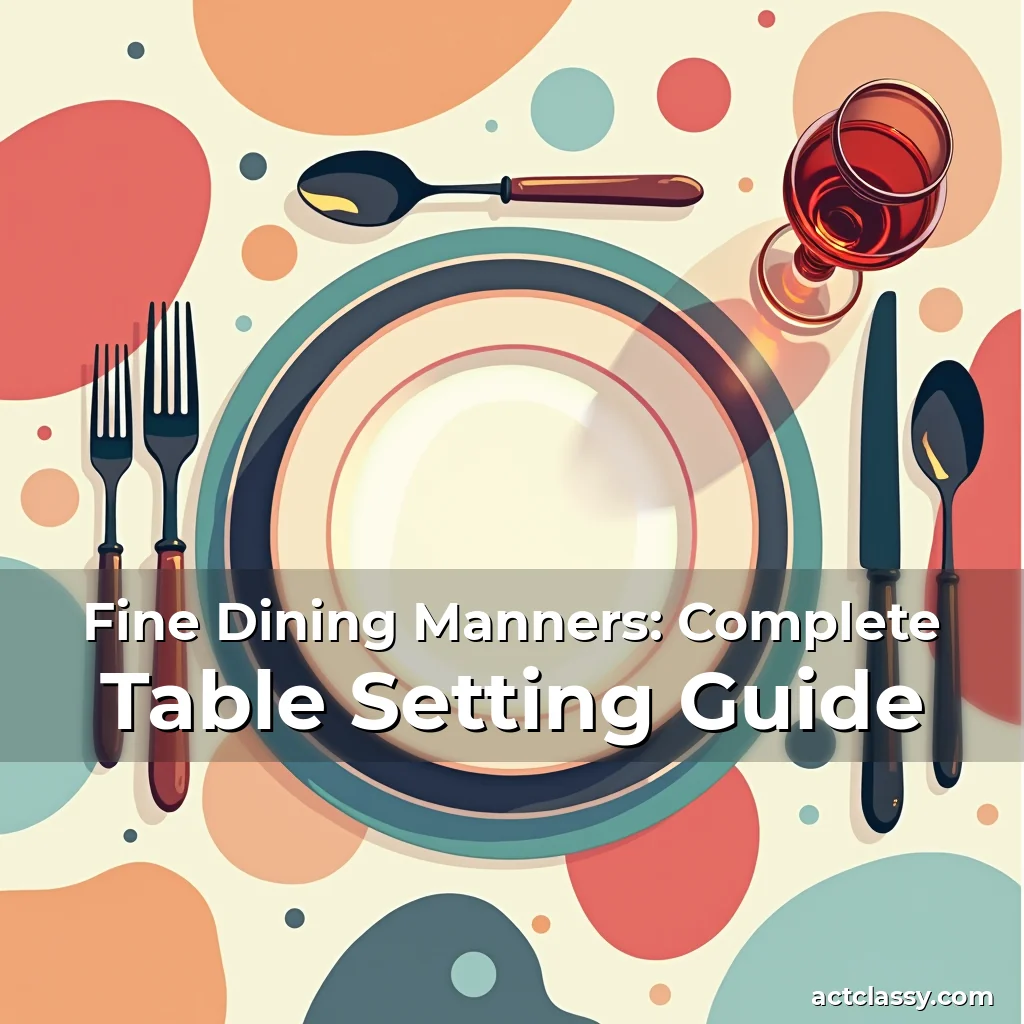
Table setting basics include knowing how to correctly position utensils according to course progression. Familiarity with standard silverware arrangement prevents confusion when courses change.
- Seat positioning: The most honored guest typically sits closest to the hostess’s right side at formal dinners.
- Dining posture: Keep your back straight but relaxed, avoiding rigid postures that suggest discomfort or tension.
- Eye engagement: Make brief eye contact before taking bites, allowing others to speak freely between mouthfuls.
- Silverware protocol: Utensils should be arranged from the outside inward based on serving order, following the rule of thumb: outermost first.
Navigating Courses with Grace
A multi-course meal presents unique challenges requiring careful navigation. Understanding the sequence of dishes allows guests to anticipate changes and respond appropriately to each new offering.
When presented with amuse-bouche, take only one bite unless offered additional portions by the server. This small appetizer sets the tone for the entire dining experience.
Appetizers often come in delicate forms that require gentle handling. Using the correct fork ensures preservation of presentation while enjoying the flavors intended by chefs.
Main courses demand particular attention regarding portion control and pacing. Eating at a moderate pace shows consideration for companions still finishing their plates.
Desserts present opportunities for indulgence but also require restraint. Leaving some food uneaten signals satisfaction rather than overconsumption.
Course transitions should be seamless. Allow servers time to clear previous courses before beginning new ones, maintaining a smooth flow through the meal.
Recognizing wine pairings enhances the overall dining experience. Accepting wine service with grace demonstrates appreciation for the chef’s menu design.
Understanding beverage temperatures helps maintain optimal flavor profiles. Chilled wines should remain cold, while red wines benefit from slight warming periods.
When tasting multiple wines, follow the white-to-red progression rule. This sequence respects flavor intensity levels and prevents overwhelming palates prematurely.
Utensil Mastery and Service Protocols
Proficiency with various utensils distinguishes well-mannered diners from casual eaters. Recognizing different types of cutlery and their designated uses avoids embarrassing situations at upscale restaurants.
There are distinct differences between dinner knives and salad forks. Knowing when to use each type maintains consistency with restaurant expectations.
Cocktail forks differ significantly from regular dining forks in size and shape. Identifying these variations enables proper usage across diverse dining scenarios.
Bread plates require special attention due to their unique serving methods. Proper technique involves using the butter knife specifically provided for spreading.
Using a bread basket properly begins with selecting one piece at a time. This practice preserves freshness and prevents excessive consumption upfront.
Teaspoon usage has its own set of conventions. When consuming desserts or soups, always hold the teaspoon between the fingers rather than gripping it tightly.
Chocolate fondue spoons serve specialized purposes. Their curved design facilitates even distribution of melted chocolate without dripping onto clothing.
Specialty tools like oyster forks have narrow tines designed for precise handling of delicate foods. Knowing these distinctions showcases dining expertise.
Service styles vary depending on establishment type. French service requires particular attention to timing and coordination with waitstaff.
Russian service demands synchronized movements between servers working together to deliver courses simultaneously.
English service relies heavily on individual discretion regarding food selection and portion sizes.
Continental service combines elements of several approaches, emphasizing efficiency while maintaining quality standards.
The Language of Conversation at the Table
Engaging in meaningful dialogue elevates any dining experience beyond mere sustenance. Thoughtful conversations create memorable moments that linger long after the final course.
Voice modulation becomes particularly important in noisy environments. Speaking clearly yet softly prevents disrupting neighboring tables’ enjoyment.
Pacing discussions around meal times matters greatly. Avoid lengthy monologues during critical phases such as wine tastings or dessert presentations.
Topic selection requires sensitivity towards dietary restrictions and personal preferences. Discussing sensitive subjects might inadvertently cause discomfort.
Listening actively demonstrates genuine interest in others. Nodding occasionally or asking clarifying questions encourages continued participation.
Respecting conversational turns shows courtesy towards all participants. Allowing others to finish speaking before responding maintains harmony at the table.
Sharing stories relevant to the occasion strengthens bonds between diners. Personal anecdotes add depth to otherwise impersonal encounters.
Humor used judiciously can enhance atmosphere but must avoid potentially offensive material. Jokes involving religion, politics, or personal insecurities risk alienation.
Knowing when to pause for silence acknowledges others’ need for reflection. Strategic pauses allow space for thoughtful responses rather than rushed replies.
Body language complements verbal communication effectively. Subtle gestures like tilting head slightly convey curiosity without being overtly obvious.
Eye contact frequency varies depending on relationship dynamics. Close friends may exchange longer glances, whereas acquaintances maintain more restrained gaze patterns.
Gesturing naturally supports spoken words without appearing theatrical. Hand motions should be controlled and purposeful rather than exaggerated.
Handling Special Situations with Poise
Unexpected circumstances inevitably arise during fine dining events. How individuals respond determines whether they become sources of disruption or models of composure.
If something appears wrong with the dish, signal discreetly to the waiter instead of making public complaints. A simple hand gesture suffices to initiate resolution efforts.
Accidentally dropping utensils calls for quiet retrieval rather than dramatic reactions. Pretending to search for them gives time to collect oneself gracefully.
Spilling liquids necessitates immediate action without causing alarm. Wiping up spills quickly minimizes damage while keeping embarrassment contained.
Talking with mouth full violates basic dining decorum. Taking time to chew thoroughly before speaking maintains dignity and respect for others.
Laughing loudly at inappropriate times risks disturbing surrounding patrons. Controlling laughter until suitable moments preserve ambiance integrity.
Overeating visibly may draw unwanted attention. Pacing food intake consistently reflects self-control and awareness of others’ needs.
Drinking too much alcohol compromises judgment and behavior. Moderation ensures continued ability to engage meaningfully throughout the evening.
Bringing children to fine dining venues requires extra preparation. Ensuring they understand expected behaviors protects everyone’s enjoyment.
Dealing with allergies demands vigilance. Verifying ingredient lists and informing staff ahead of time prevents potential health crises.
Managing strong odors involves discretion. Applying fragrance strategically keeps it subtle enough not to overwhelm others.
Responding to criticism professionally transforms negative feedback into positive learning opportunities. Gratitude shown towards constructive suggestions builds goodwill.
Addressing conflicts calmly preserves relationships despite disagreements. Focusing on solutions rather than blame promotes mutual understanding.
Modern Adaptations of Classic Etiquette
While traditional guidelines provide structure, contemporary dining culture continually evolves. Adapting old practices to modern contexts creates balance between heritage and innovation.
Smartphone usage presents unique challenges in maintaining proper etiquette. Designated phone-free zones help ensure undivided attention during meals.
Wearing headphones disrupts natural conversation flows. Opting for silent modes preserves auditory awareness of surroundings.
Photography at tables raises privacy concerns. Asking permission before capturing images respects others’ boundaries and preferences.
Digital menus offer convenience but may reduce face-to-face interaction. Balancing technology use with human engagement enriches the overall experience.
Videocalling during meals introduces complications. Establishing clear expectations beforehand prevents unexpected interruptions.
Virtual reality dining experiences challenge conventional norms. Developing new protocols for immersive environments expands etiquette horizons.
Delivery services alter traditional service expectations. Adjusting behavior accordingly maintains respect for evolving dining formats.
Home entertaining redefines social hierarchies. Creating inclusive atmospheres encourages open participation regardless of status differences.
Outdoor dining introduces environmental variables. Dressing appropriately for weather conditions demonstrates thoughtfulness towards others’ comfort.
Plant-based diets require flexible approach. Respecting alternative choices broadens perspectives on culinary diversity.
Cultural sensitivities demand awareness. Researching local customs before visiting unfamiliar regions prevents unintentional offenses.
LGBTQ+ inclusivity necessitates progressive attitudes. Supporting equal treatment fosters welcoming environments for all guests.
Etiquette Beyond the Table
Refinement extends far beyond physical proximity to the dining area. Demonstrating class in related activities completes the picture of true elegance.
Waiting patiently for others to arrive shows consideration for shared commitments. Rushing arrivals undermine collective scheduling efforts.
Checking coats respectfully preserves dignity. Offering assistance with heavy garments maintains warmth and comfort for all attendees.
Using restrooms discreetly prevents unnecessary disruptions. Closing doors quietly and minimizing noise preserves ambient tranquility.
Smoking politely follows established regulations. Seeking designated areas prevents exposing non-smokers to secondhand smoke.
Alcohol consumption responsibly safeguards safety. Monitoring intake levels prevents impaired decision-making or hazardous behaviors.
Engaging in pre-dinner activities with grace maintains continuity between events. Participating in cocktails or appetizers smoothly transitions to the main course.
Post-meal interactions deserve similar care. Expressing gratitude sincerely reinforces positive memories of the encounter.
Leaving promptly without abrupt departures demonstrates respect for remaining guests. Giving adequate notice allows proper closure of the gathering.
Tip amounts reflect satisfaction levels accurately. Calculating generous percentages rewards good service while acknowledging value received.
Following up with thank-you notes solidifies relationships formed during the event. Written expressions of appreciation leave lasting impressions.
Keeping reservations intact honors commitment. Canceling last-minute without alternatives inconveniences staff and disrupts planning.
Returning borrowed items timely shows reliability. Prompt return of rented attire or equipment maintains trustworthiness.
Conclusion
Mastering fine dining etiquette encompasses many facets extending beyond mere table conduct. It represents a holistic approach to cultivating gracious living habits that enrich daily existence.
By internalizing these principles, individuals transform themselves into ambassadors of civility whose presence uplifts every social interaction. The journey toward perfecting these skills continues indefinitely, rewarding perpetual growth and development.