


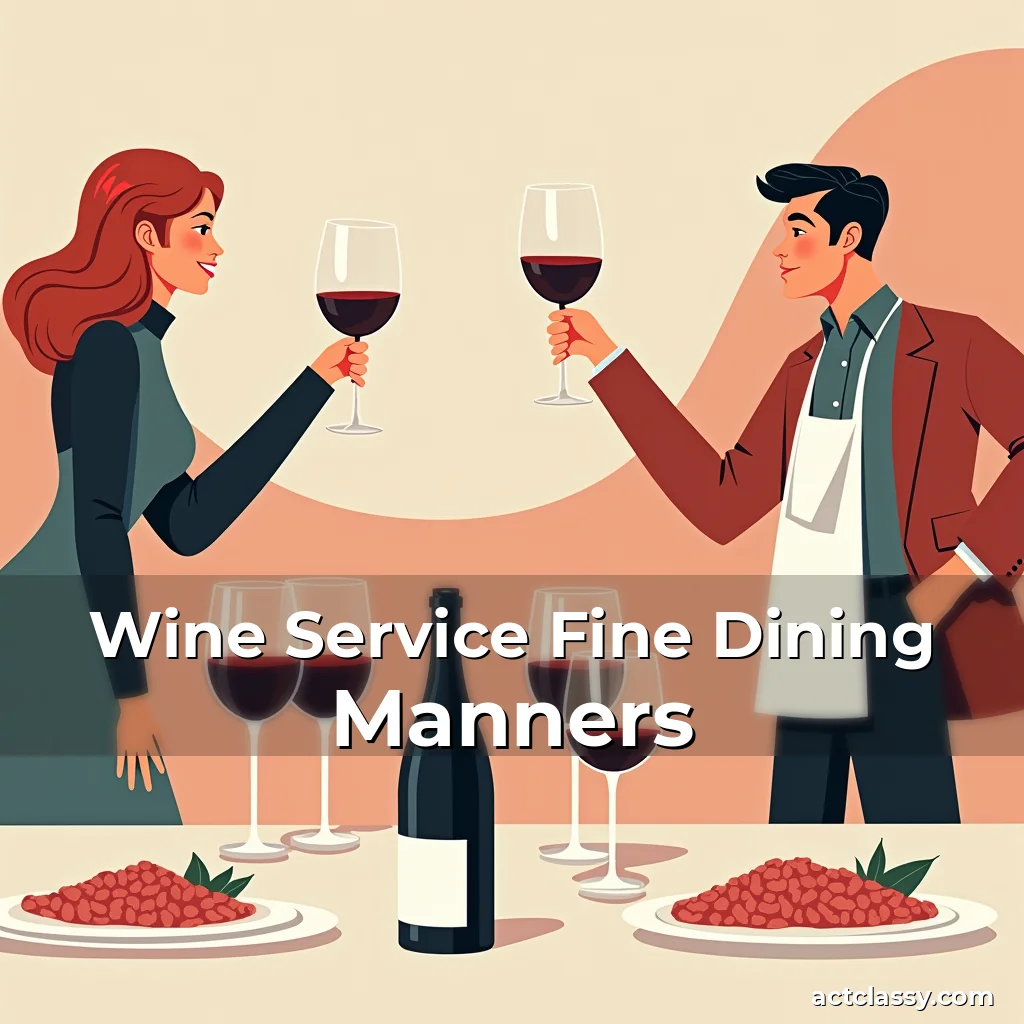
Ceremonial Aspects of Wine Presentation
When wines arrive tableside, proper handling begins with acknowledging the server’s effort through polite eye contact. A simple “Thank you” spoken at the precise moment the decanter reaches its peak adds graceful closure to this ritual. Observing correct orientation of wine bottles ensures alignment with expected drinking temperatures—a silent cue to侍酒师 about serving speed expectations.
Maintaining hand position above the rim of the glass prevents accidental spillage during opening ceremonies. When receiving a newly opened bottle, fingers rest lightly along the bottle neck near the foil wrap until instructed otherwise. These small yet significant gestures convey confidence without appearing overly formal.
Historical Contextualization
Etiquette surrounding table settings has evolved significantly since medieval times when nobility drank mostly from horns or wooden vessels. Modern wine service owes much to French culinary traditions developed during Versailles’ reign, emphasizing symmetry and visual harmony in presentation styles still observed today. Recent studies show that diners perceive value increases by 42% when wine is served with deliberate ceremony.
This emphasis on theatricality extends beyond aesthetics; research indicates that guests report enhanced enjoyment levels when wines are presented with clear storytelling elements. Knowledgeable patrons benefit from asking about aging processes, terroir influences, and winemaking philosophies to deepen their overall experiences.
Elegant Glassware Management
Selecting appropriate stemware remains crucial regardless of whether white or red wine is being consumed. Clear distinctions exist between glasses designed for aromatic whites versus bold reds due to varying bowl shapes and sizes affecting bouquet release. Holding a wine glass by the stem always preserves heat control and avoids smudging fingerprints onto lens areas.
When swirling a glass to observe leg formation, do so gently in circular motions that avoid vigorous shaking which could aerate volatile compounds prematurely. A well-controlled rotation allows better integration of flavors while maintaining composure—even when attempting to appear effortlessly sophisticated.
Sensory Evaluation Protocol
Experienced tasters follow structured sequences to fully comprehend what lies inside the glass. Beginning with appearance assessment—checking for turbidity indicators before progressing to aroma analysis. Nose testing involves capturing scents through discreet inhalation instead of forcefully snorting as some mistakenly believe.
Tasting itself demands patience: initially allowing 8-10 seconds of pure taste identification before adding food interaction. Recording mental notes about primary flavor components forms basis for later discussions with fellow diners about potential food pairings and vintage evaluations.
Decanting Ceremonies and Air Exposure Control
Proper decanting technique varies depending upon wine age and type. Young reds benefiting from oxygen exposure require careful pouring to avoid over-aeration that would strip away desired characteristics. Using an adjustable spout allows precise volume management while maintaining aesthetic appeal during display phase.
Burgundians particularly emphasize decanting nuances, believing air contact enhances tertiary development in older vintages. Experienced cellar masters recognize optimal settling periods—approximately fifteen minutes for robust Bordeaux blends compared to minimal intervention needed for delicate Pinot Noirs.
- Respect Age Designations: Always refer to bottle labels indicating recommended serving temperatures, respecting temperature sensitivity that develops over decades in aged reserves
- Minimize Disturbances: Request temporary removal of decanted bottles from immediate proximity to maintain consistent temperature fluctuations caused by ambient room conditions
- Track Evolution: Document changes noticed during progressive tastings across multiple courses—the finest establishments routinely offer comparative flights showcasing maturation patterns
Fine-Tuned Communication with Sommeliers
Dining conversations with wine experts benefit immensely from respectful inquiry rather than demanding monologues. Asking about vineyard history demonstrates deeper interest than merely seeking price comparisons. Inquiring about soil compositions reveals appreciation for environmental factors influencing fruit quality.
Recognize that expert guidance follows particular etiquette norms too; expressing gratitude after learning new information reinforces positive rapport. When requesting additional pours or bottle replacements, frame requests politely—never dismissively suggesting poor quality assumptions about existing selections.
Linguistic Nuances
Certain phrasing patterns enhance perceived competence among professionals. Instead of asking “What would you recommend?” try “Could we explore lighter-bodied alternatives that complement our forthcoming courses?” Such wording acknowledges professional expertise while inviting collaborative decision making.
Vintage terminology requires precision: use phrases like “first growth” referring strictly to Médoc classifications rather than loosely applying descriptors from other regions. Correct application shows dedication to linguistic accuracy prized in elite circles.
Gentle Movements During Tasting Sessions
During communal tastings, especially when comparing multiple samples side-by-side, employ careful hand positioning to prevent cross-contamination risks. Maintain distance between individual glasses unless explicitly instructed otherwise. Observe non-verbal cues others give regarding readiness to advance to next stages of tasting progression.
Record personal observations mentally rather than speaking aloud constantly, allowing space for others’ reflections. Occasional interjections become most effective when summarizing key findings rather than overwhelming listeners with excessive technical jargon unfamiliar to casual enthusiasts.
Conversational Dynamics While Consuming Wines
Effective social engagement continues uninterrupted through carefully managed conversations that don’t impede enjoyable consumption. Share observations sparingly, choosing impactful commentary over repetitive descriptions. Notice when natural pauses occur between sips—these organic moments prove ideal for exchanging insightful opinions without disrupting rhythmic imbibement cycles.
Use physical indicators to signal readiness for further discourse; tilting head slightly downward creates subconscious invitation for someone else to share perspectives. Eye contact duration becomes telling—if engaged in mutual discussion, gaze shifts naturally between speaker and listener throughout exchange period.
Handling Complementary Elements Graciously
Glazes and condiments receive special consideration when matching with complex wines. Approach additions conservatively, beginning with smaller quantities before experimenting with bolder combinations. Recognize that certain traditional pairings may surprise modern palates expecting contemporary interpretations over centuries-old prescriptions.
Request modifications judiciously, framing suggestions positively (“Might we consider alternative accompaniments that align better with tonight’s selection?”) rather than critiquing dishes outright. Restaurants thrive on constructive feedback aimed towards improvement rather than criticism intended solely for complaint purposes.
Closing Rituals with Grace
As the meal concludes, returning emptied flutes or stemmed glasses signifies appreciation received from service team members present. Expressing thanks to sommeliers specifically acknowledges their role in enhancing overall gastronomic experiences. Remember that even leftover wine deserves respectful treatment—never leave half-filled bottles unattended unless permitted by restaurant policies.
Celebratory toasts deserve attention commensurate with occasion significance. Standing upright while raising clinked glasses displays proper posture aligned with traditional European salutations. Note that chinking cups loudly with metallic noise indicates excessive enthusiasm rather than restrained elegance appreciated in elite company circles.
Conclusion
Mastery of wine service etiquette elevates dining from routine activity into memorable cultural participation. By embracing historical context, perfecting physical gestures, and fostering intelligent dialogue, discerning individuals shape their own refined identities within fine dining landscapes. Every element—from glass placement to conversational cadence—contributes uniquely toward crafting extraordinary experiences worth remembering.
To truly embody the spirit of elegant dining, practice restraint in all expressions of enthusiasm. Understand that sophistication does not reside in knowing facts alone but resides equally in knowing precisely when to remain quietly appreciative rather than assertively instructive. Through mindful engagement with wines, remarkable journeys await those committed to refining their personal dining lexicon day by day.


As someone who has always found himself involved with online media in one form or another in my career, I have developed a passion for educating myself on the latest developments in publishing and social media and try to bring my love of the medium into my numerous projects.
You May Also Like


First Impressions: Appearance vs Personality
First Impressions: Appearance vs Personality In an era where first encounters are often fleeting yet impactful, understanding the balance between...

Floral Spring Trends: Geek Chic Edition!
The trend of wearing floral patterns has been a staple of feminine fashion for centuries, and its history is fraught...

The Timeless Art of Elegance: Crafting Grace in Modern Life
The Timeless Art of Elegance: Crafting Grace in Modern Life Elegance is not merely an aesthetic choice; it's a philosophy...


Act Classy Presents: The Origin Of Angry Birds
As of this moment, approximately a billion people are playing Angry Birds. You know Angry Birds, right? That addictive little...
Related Posts

Wardrobe Essentials for Minimalist Living

Phone Manners in Professional Settings

