Master Etiquette: Expert Guide for Professionals
Introduction to Etiquette
Etiquette, often referred to as the art of conduct, encompasses the unwritten rules governing behavior in social, professional, and personal settings. From table manners to digital communication, etiquette shapes perceptions, fosters respect, and builds trust. Whether you’re navigating a formal dinner party or sending a business email, understanding and practicing proper etiquette can significantly enhance your interactions. This guide explores the fundamentals of etiquette, provides actionable tips, and addresses common pitfalls to help you become a confident and courteous individual.
The Importance of Etiquette in Modern Life
In an increasingly interconnected world, etiquette serves as a universal language that bridges cultural gaps and promotes harmony. It signals respect for others’ boundaries, traditions, and preferences. For professionals, strong etiquette skills are critical for career advancement, client relationships, and team collaboration. Personal relationships also benefit from etiquette, which helps prevent misunderstandings and strengthens bonds. However, the rapid evolution of technology has introduced new challenges, such as managing online communication norms and adapting traditional rules to modern contexts.
Basic Principles of Etiquette
At its core, etiquette revolves around three pillars: respect, consideration, and awareness. Here’s how to apply these principles:
- Respect: Always acknowledge others’ perspectives, even when disagreeing. Avoid interrupting conversations and show deference to elders or those in positions of authority.
- Consideration: Think about how your actions affect others. For instance, silence your phone during meetings or avoid loud laughter in quiet spaces.
- Awareness: Be mindful of cultural differences, body language, and situational appropriateness. A gesture considered polite in one culture may be offensive in another.
These principles form the foundation for more specific guidelines across different scenarios.
Dining Etiquette: Navigating the Table with Confidence
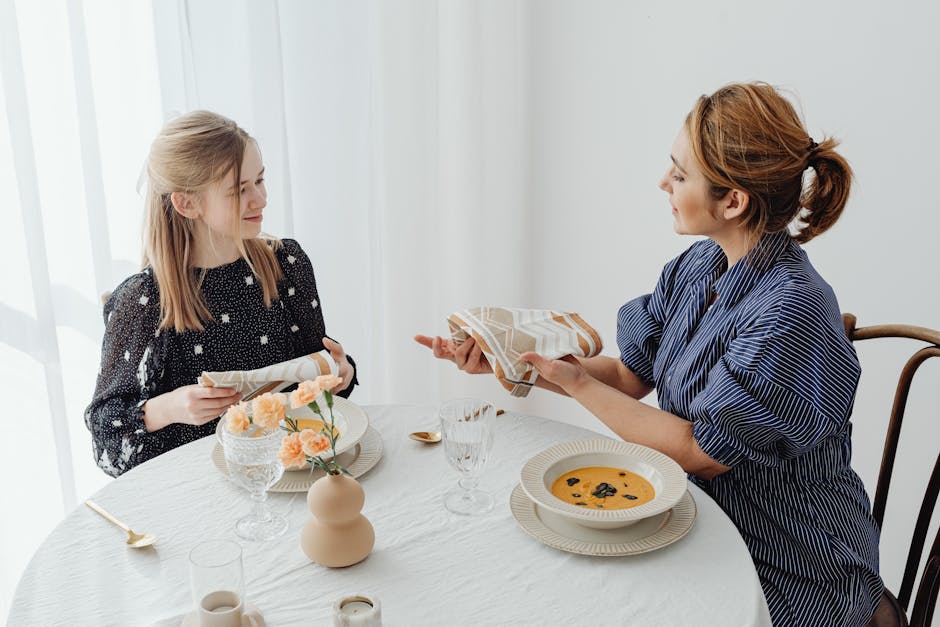
Dining remains one of the most visible arenas for etiquette. While formal dinners require strict adherence to tradition, casual meals still demand basic courtesy. Key practices include:
- Waiting for the host to begin eating: In formal settings, guests wait until the host starts before beginning their meal.
- Using utensils correctly: Learn the order of utensil use (from the outermost to innermost) and avoid resting knives on bread plates.
- Mouth closed: Chewing with your mouth closed and avoiding talking with food in your mouth prevents discomfort for others.
- Serving others first: When pouring drinks or passing dishes, offer them to others before yourself.
Common mistakes include cutting food with a fork in hand, reaching across the table for items, or criticizing the cuisine. To improve, observe how experienced diners handle situations and practice in low-stakes environments, such as family gatherings.
Digital Communication Etiquette: Rules for Texts, Emails, and Social Media
In the digital age, etiquette extends beyond face-to-face interactions. Here are essential guidelines:
- Emails: Use subject lines that summarize the purpose of the message. Keep paragraphs concise, avoid excessive exclamation marks, and proofread for typos. Sign off with a professional closing, such as “Best regards.”
- Text Messaging: Respect recipients’ time by avoiding late-night messages unless urgent. Use emojis sparingly and never send texts while driving.
- Social Media: Refrain from posting controversial opinions that could offend others. Tagging individuals in photos without consent is also a breach of digital etiquette.
Experts recommend setting clear boundaries, such as designating times for work-related communications to maintain a healthy work-life balance.
Workplace Etiquette: Building Professional Relationships
The workplace demands a unique blend of formality and approachability. Key practices include:
- Punctuality: Arriving on time shows respect for colleagues’ schedules and demonstrates reliability.
- Active Listening: Give full attention during meetings, avoid multitasking, and ask clarifying questions instead of making assumptions.
- Feedback Delivery: Provide constructive criticism privately, focusing on behaviors rather than personal attributes. Use phrases like, “This approach might not align with our goals” instead of, “You’re doing this wrong.”
- Office Etiquette: Clean up after yourself, respect privacy by knocking before entering rooms, and avoid gossiping about coworkers.
Challenges arise when balancing professionalism with authenticity. Experts suggest being genuine while maintaining decorum—humor, for example, can foster camaraderie if used appropriately.
Social Event Etiquette: Making a Lasting Impression
Whether attending a wedding, networking event, or casual gathering, social etiquette ensures positive interactions. Consider the following:
- Gift-Giving: Choose thoughtful, appropriate gifts based on the occasion. For weddings, cash or household items are safe choices; for birthdays, personalize selections based on the recipient’s interests.
- Conversation Skills: Ask open-ended questions to engage others, such as, “What inspired you to pursue this career?” Avoid dominating discussions and allow others to speak.
- Leaving Early: If departing before the event ends, inform the host beforehand and thank them for their hospitality.
Common mistakes include monopolizing conversations, discussing sensitive topics like politics or religion, and failing to follow dress codes. Practice observing others’ interactions to build intuition over time.
Handling Mistakes Gracefully: Etiquette in Crisis
No one is perfect, and etiquette involves knowing how to recover from errors. Strategies include:
- Apologize sincerely: Acknowledge the mistake without defensiveness. Say, “I’m sorry for the confusion earlier; let me clarify.”
- Correct missteps discreetly: If you spill wine at a dinner party, immediately grab napkins and address it quietly to avoid embarrassment.
- Learn from the experience: Reflect on what went wrong and adjust future behavior accordingly.
Professional coaches emphasize that humility and quick thinking are hallmarks of true etiquette mastery.
Cultural Sensitivity: Adapting Etiquette Across Borders
Globalization requires heightened cultural awareness. Research customs before traveling or interacting with international clients. For example:
- Greetings: In Japan, bowing is customary, while cheek kisses are common in France.
- Dress Codes: Conservative attire is preferred in Middle Eastern countries, whereas casual wear is acceptable in many Scandinavian nations.
- Table Manners: In some cultures, finishing your plate signifies appreciation, while in others, leaving food implies you’ve had enough.
Cultural sensitivity reduces misunderstandings and fosters mutual respect. Use resources like travel guides or consult local contacts for insights.
Conclusion: Embracing Etiquette as a Lifelong Skill
Etiquette is not about rigid conformity but about fostering kindness and connection. By applying these principles consistently, you’ll navigate diverse situations with confidence. Remember, the goal is to make others feel respected and valued—not to impress anyone. As you continue refining your etiquette skills, stay curious, remain humble, and celebrate small improvements along the way.