

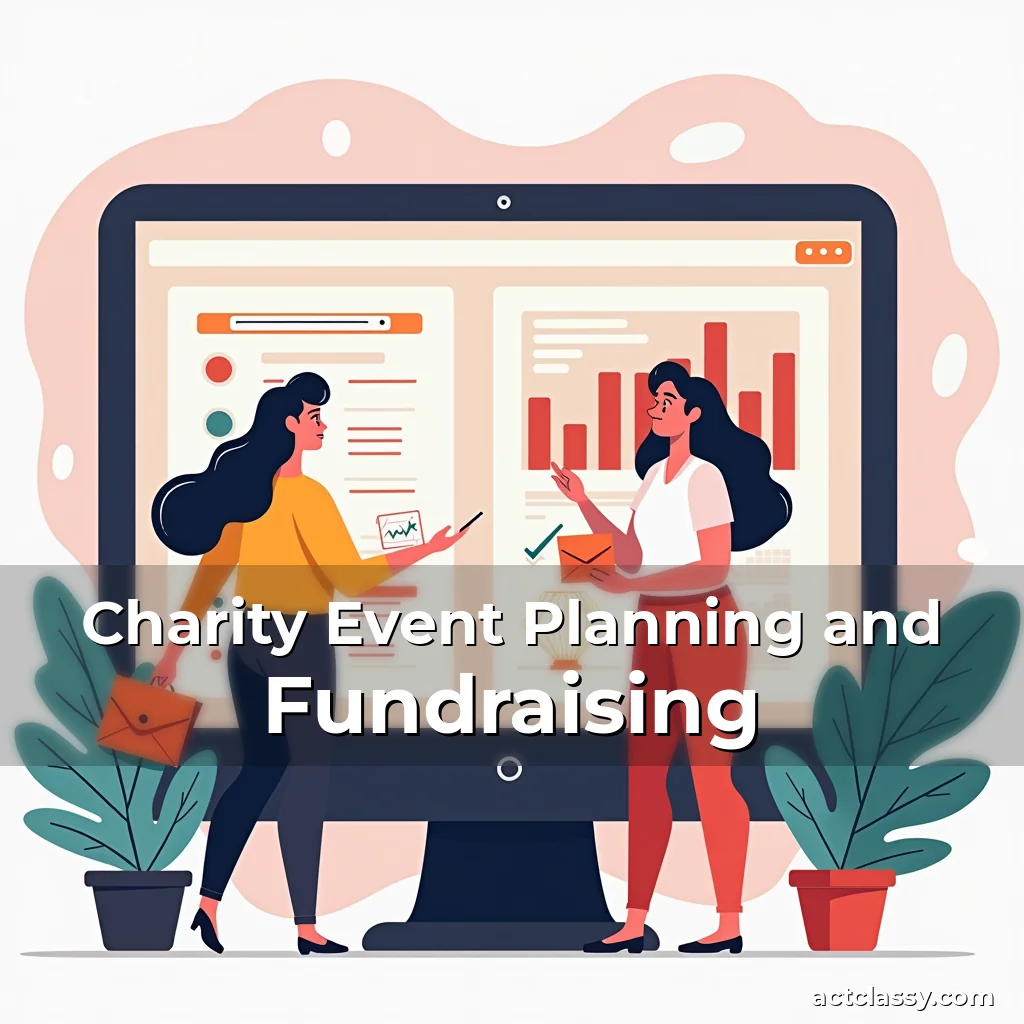
The Foundations of Charitable Event Success
A well-planned charity event begins with clarity of purpose. Define your mission explicitly—is the primary aim raising funds, generating public awareness, or fostering community connections? Establishing measurable objectives provides direction and enables effective resource allocation. Without clear benchmarks, even the most ambitious initiatives risk losing focus.
Your event’s vision should also consider long-term impact. Will this gathering serve as a recurring fundraiser or a one-time campaign launch? Aligning your approach with organizational goals ensures sustainability. Consider partnerships with nonprofits whose missions resonate deeply with your audience, enhancing credibility and shared purpose.
Demographic research proves invaluable when crafting a guest list. Identify which professionals, influencers, or communities are likely to support your cause. Tailor your invitation strategy accordingly, whether targeting board members, local celebrities, or industry leaders. Thoughtful segmentation increases engagement and amplifies reach.
- Determine funding targets: Set realistic monetary goals based on past successes and current needs. This informs ticket pricing, sponsorship tiers, and donation drives.
- Select a resonant cause: Choose a social issue with strong emotional appeal to attract passionate supporters. Transparency about how funds will be used fosters trust.
Crafting a Memorable Theme and Venue Experience
The right theme transforms a standard event into an unforgettable experience. Opt for designs that reflect your cause’s essence—an oceanic motif for marine conservation, a vintage-inspired ballroom for historical preservation, or a minimalist garden party for climate advocacy. Consistency between visuals, music, and activities creates immersive storytelling.
Venue selection requires balancing aesthetics with functionality. Prioritize spaces that offer flexible layouts, ample parking, and proximity to public transport. Ensure the location accommodates all planned elements, from keynote speeches to interactive exhibits. Assess accessibility requirements early to guarantee inclusivity for diverse guests.
The Power of Thematic Coherence
Studies reveal that themed events see up to 30% higher attendee satisfaction compared to non-themed ones. When every element—from table centerpieces to lighting schemes—aligns with your narrative, attendees feel immersed in your message. This cohesion deepens emotional connections to your cause.
Furthermore, thematic design simplifies branding efforts. Logos, color palettes, and promotional materials become instantly recognizable extensions of your concept. This visual continuity aids recall and reinforces your organization’s identity across all touchpoints.
Mastering Budget Allocation and Resource Management
Effective budgeting involves prioritizing expenditures that maximize impact. Allocate generous portions to core components like catering, venue rental, and marketing. However, don’t neglect subtleties—the cost of signage, program printing, or unexpected contingencies often exceeds initial estimates.
Seek creative financing solutions to reduce financial strain. Apply for grants from foundations that specialize in your area of work. Partner with corporations for sponsorships, offering them visibility through logo placement, speaking slots, or exclusive VIP packages. Crowdfunding platforms provide additional avenues for grassroots support.
Track expenses meticulously using accounting software or spreadsheets. Regular audits prevent overspending and maintain accountability among team members. Transparent reporting to stakeholders—including donors and partners—builds lasting goodwill and secures continued investment.
- Create contingency reserves: Dedicate 10–15% of your total budget to unforeseen challenges like weather disruptions or last-minute vendor changes.
- Leverage free resources: Utilize volunteer networks for tasks like decoration setup or photography. Many professional services offer pro bono assistance for nonprofit events.
Designing Engaging Activities and Networking Opportunities
Beyond speeches and auctions, meaningful interactions elevate your event’s effectiveness. Incorporate structured networking segments, such as roundtable discussions led by experts in your field. Facilitated conversations allow attendees to share ideas while reinforcing your organization’s relevance.
Interactive installations and live demonstrations captivate younger demographics. Virtual reality booths showing the real-world effects of donations or hands-on workshops teaching sustainable practices transform passive participation into active engagement. These elements make abstract concepts tangible and emotionally resonant.
Consider hybrid formats to expand reach. Live-streaming select segments attracts global viewers unable to attend physically. Post-event recordings serve as valuable assets for ongoing fundraising campaigns and media outreach.
Harnessing Technology for Seamless Execution
Modern event management relies heavily on technology to streamline operations. Registration platforms simplify guest tracking, while mobile apps enhance navigation within the venue. Digital payment systems facilitate secure transactions during bidding or direct contributions.
Data analytics tools provide critical insights post-event. Monitor attendee behavior patterns to refine future strategies—what time slots saw peak engagement? Which activities generated the most social media buzz? Applying these findings optimizes subsequent events’ effectiveness.
Automated follow-ups via email sequences maintain momentum after the final toast. Send personalized thank-you notes with donation receipts and updates on funded projects. This continuous communication sustains interest and encourages repeat involvement.
Ensuring Accessibility and Inclusivity
True hospitality means welcoming everyone regardless of ability or background. Provide wheelchair ramps, Braille menus, and sign-language interpreters for attendees requiring accommodations. Offer sensory-friendly options for neurodiverse guests, such as quiet zones or noise-canceling headphones.
Language barriers shouldn’t hinder participation. Hire multilingual staff or use translation apps to assist international attendees. Cultural sensitivity training for volunteers ensures respectful treatment of all guests, avoiding unintentional offenses.
Sustainability measures demonstrate commitment to eco-conscious values. Serve locally sourced food in reusable containers. Encourage carpooling by offering shuttle services or incentives. Minimize waste through bulk purchasing and recycling stations prominently displayed throughout the space.
Maintaining Ethical Standards Through Professional Conduct
Etiquette governs every interaction at a charity event. Train hosts and servers in proper wine-pouring techniques, table-setting protocols, and polite conversation starters. Enforce strict dress codes to uphold the event’s sophisticated image while remaining inclusive of diverse styles.
Establish clear boundaries for donor relationships. While cultivating connections with wealthy patrons is strategic, avoid appearing transactional. Focus on shared values rather than immediate returns. Gift-giving guidelines prevent perceptions of undue influence, preserving integrity.
Handle sensitive topics diplomatically. If political or controversial subjects arise, redirect discussions gently toward your organization’s mission. Remain neutral unless advocating for specific policy changes directly tied to your cause.
Evaluating Outcomes and Refining Future Strategies
Post-event assessments determine the true impact of your efforts. Compare raised amounts against projected targets. Analyze attendee feedback surveys to identify areas needing improvement. Did auction items sell faster than expected? Were there bottlenecks in check-in procedures?
Share results transparently with stakeholders. Publish detailed reports outlining achievements and lessons learned. Acknowledge top contributors publicly to reinforce recognition and loyalty. This openness strengthens trust for future collaborations.
Refine your approach continuously. Experiment with new themes, test different marketing channels, and adapt to changing societal priorities. Stay informed about emerging trends in philanthropy to remain relevant and innovative in your offerings.
Conclusion
Successful charity event planning demands a delicate balance of creativity, strategy, and compassion. By weaving together aesthetic excellence with purpose-driven messaging, you craft experiences that leave lasting impressions while advancing noble causes.
Begin by revisiting your core objectives. What legacy do you wish to build through your events? With thoughtful preparation and unwavering dedication, you’ll not only meet your fundraising goals but also inspire others to join your journey of impactful giving.


As someone who has always found himself involved with online media in one form or another in my career, I have developed a passion for educating myself on the latest developments in publishing and social media and try to bring my love of the medium into my numerous projects.
You May Also Like

First Impressions for Sales Meetings
Mastering First Impressions in Sales Meetings: Etiquette Tips That Leave Lasting Impacts In today's fast-paced business world, making a strong...

Manners for Job Interviews and Networking
The Art of Polite Conduct in Modern Professional Settings In today's fast-paced corporate world, mastering professional manners is essential for...

Fashion Trends 2025: What's Coming This Year
Fashion Trends 2025: What's Coming This Year The fashion landscape in 2025 is poised for an exciting evolution that blends...

Hosting Etiquette: Professional Insights and Tips
The Art of Hosting: Mastering Etiquette in Modern Social Gatherings In an age where social interactions are often dictated by...
Related Posts


The Artful Alchemy of Dress Codes: Crafting Identity Through Attire in Modern Society