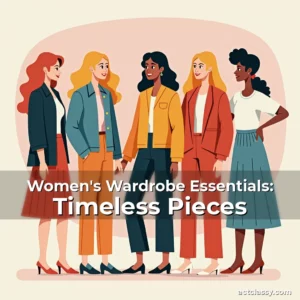


The trend of wearing floral patterns has been a staple of feminine fashion for centuries, and its history is fraught with negative connotations. Women’s bodies have long been subject to the tyranny of patriarchal society, with their beauty, value, and sexuality being policed and controlled by men. The idea of femininity is deeply tied to the objectification and commodification of women’s bodies, and floral patterns have been a key part of this process.
Women’s clothing was heavily influenced by the Industrial Revolution, which led to the development of synthetic fibers, new textile manufacturing processes, and the rise of ready-to-wear clothing. This shift in manufacturing allowed for mass production of clothing, making fashion more accessible to the middle class. However, it also led to a homogenization of styles, as large textile companies dominated the market and imposed uniform standards on their products. The restrictive nature of women’s clothing was a direct result of the societal norms and expectations placed on women during this era. Women were expected to be modest, virtuous, and domestic, and their clothing was designed to reflect these virtues. Women’s clothing was often layered, with multiple petticoats and corsets, to create a rigid, box-like silhouette. This rigid structure was meant to symbolize the woman’s role as a domestic wife and mother, emphasizing her modesty and humility. Women’s clothing was also subject to strict rules regarding modesty, with garments designed to cover the body in public, avoiding any appearance of immodesty. Women’s upper bodies were often hidden behind layers of clothing, including long-sleeved blouses, capes, and shawls, while their lower bodies were covered by tight skirts and petticoats.
The corset has undergone significant transformations over the years, from its origins as a restrictive garment to its modern-day use as a fashion statement.
As the centuries passed, the corset underwent significant changes. In the 18th century, the introduction of steel ribbing allowed for a more flexible and comfortable design.
Embracing individuality is a powerful way to break free from the monotony of conformity.
For instance, consider the iconic style of David Bowie, who was known for his bold and eclectic fashion sense. He was a true original, and his style reflected his unique personality and artistic vision. By embracing individuality, Bowie was able to express himself in a way that was authentic and meaningful.
For example, consider the story of Frida Kahlo, who was known for her vibrant and unconventional art style.
Further details on this topic will be provided shortly.


As someone who has always found himself involved with online media in one form or another in my career, I have developed a passion for educating myself on the latest developments in publishing and social media and try to bring my love of the medium into my numerous projects.
You May Also Like


Social Skills for Leaders and Managers
Social Skills for Leaders and Managers In today’s fast-paced professional world, social skills have become an essential component of leadership...

Hosting Etiquette on a Budget
The Art of Hosting With Grace: Essential Etiquette Tips for Every Occasion In today's fast-paced world, hosting gatherings has evolved...

Body Language for Effective Leadership
The Silent Symphony of Influence: Mastering Body Language in Everyday Interactions In an age where communication is often reduced to...

Manners That Show Respect and Consideration
Manners That Show Respect and Consideration In an age where digital communication often overshadows face-to-face interaction, the importance of manners...
Related Posts


Dead Cat Helicopter: Turning Deceased Things Into Awesome Things

Event Planning on a Tight Budget