


The Art of Appropriate Attire: Navigating Black Tie, White Tie, and Beyond
Dress codes are often overlooked as mere formalities, yet they serve as silent cues that shape our interactions and perceptions in both professional and social settings. From boardrooms to banquets, knowing what to wear—or not to wear—is essential for making a polished impression. Understanding these unspoken rules ensures you stand out for your poise rather than your missteps.
In today’s world of evolving fashion norms, dressing appropriately has become an art form that requires nuance. Whether attending a wedding, gala, or corporate event, the right outfit communicates respect, confidence, and awareness of social expectations. This guide explores the intricacies of dress codes beyond the basics, offering insight into their origins, variations, and modern-day applications.
Understanding the Origins of Formal Dress Codes
The roots of formal dress codes trace back centuries, deeply embedded in European aristocratic traditions. In the 18th century, European nobility used clothing as a marker of status, with elaborate garments signifying wealth and power. These early conventions laid the groundwork for structured dress codes still observed today.
As societies progressed, class distinctions softened, but the symbolism of formal attire remained intact. By the late 19th and early 20th centuries, distinct categories emerged—black tie, white tie, and semi-formal—which codified acceptable dress for various occasions. These classifications continue to influence global etiquette, even as modern lifestyles blur traditional boundaries.
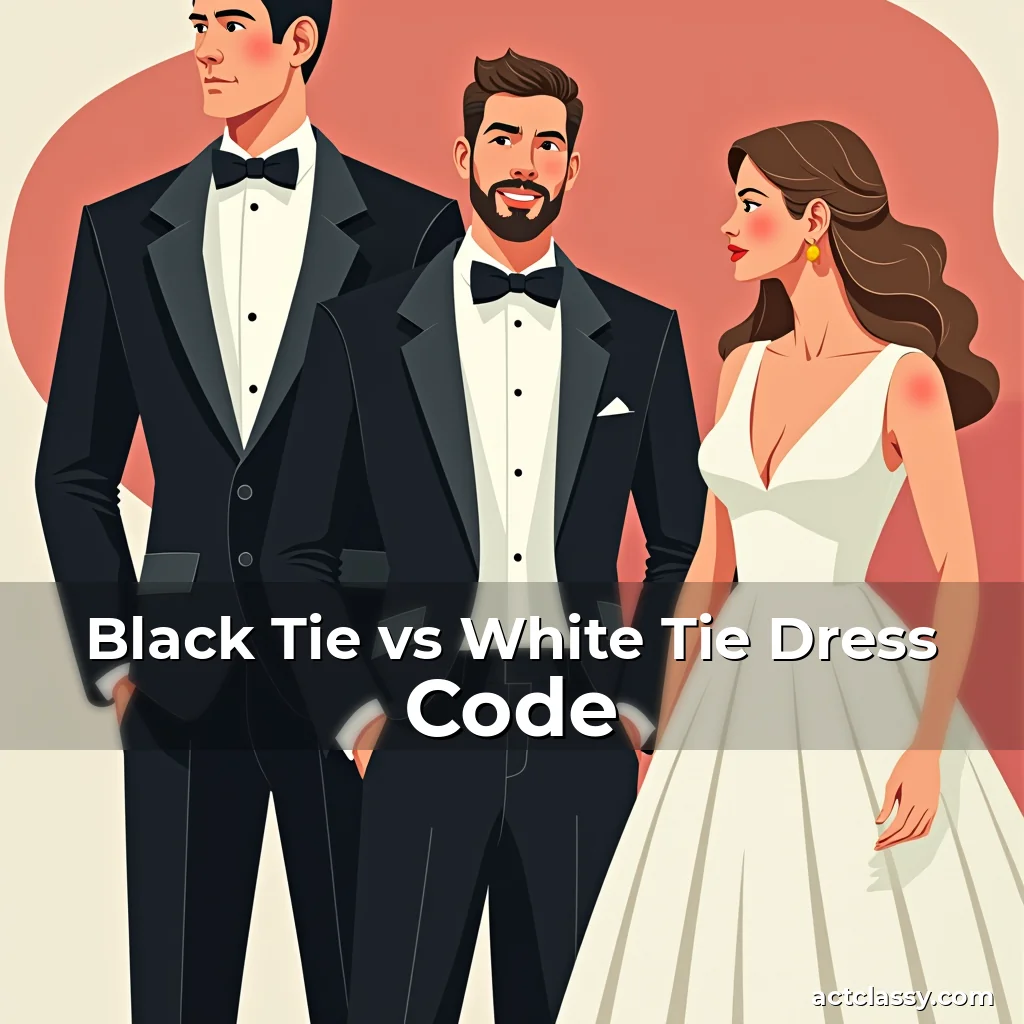
- White Tie: Often reserved for the most exclusive events, white tie demands full evening dress, including a tailcoat, white waistcoat, and black trousers for men. Women typically opt for long gowns made of luxurious fabrics.
- Black Tie: A step below white tie, black tie includes a tuxedo jacket, bow tie, and matching trousers for men. For women, floor-length gowns or cocktail dresses paired with elegant accessories suffice.
These classifications were designed to provide clarity amid societal shifts, ensuring attendees adhered to a shared standard of decorum. While some may view them as rigid, they actually foster inclusivity by creating universal benchmarks for appropriateness.
Dress Code Variations Across Cultures and Events
Cultural diversity adds layers of complexity to dress codes, shaping how formality is interpreted globally. In many Asian cultures, for instance, modesty and reverence play central roles, influencing choices for ceremonial events. Similarly, Middle Eastern traditions emphasize conservative attire, reflecting deep-rooted values around propriety.
Religious ceremonies further complicate matters, requiring attire that aligns with spiritual beliefs. Orthodox Jewish services demand modest, covered clothing, while Islamic traditions prioritize hijabs, abayas, and other garments symbolizing faith. Even secular events, like graduations or award dinners, vary regionally—one might wear a suit in Europe but find a traditional sari more suitable in India.
Modern Adaptations in Global Settings
In multicultural cities like New York or London, dress codes increasingly blend influences from different backgrounds. However, misunderstandings remain common—for example, a guest unfamiliar with local customs might arrive overdressed at a beachside wedding expecting formalwear. Researching event-specific expectations beforehand is crucial to avoid unintended offense.
Data from recent surveys indicates that 67% of professionals believe inappropriate attire costs job opportunities, highlighting the stakes involved. Moreover, 43% of attendees report feeling uncomfortable due to mismatched expectations, underscoring the need for cultural sensitivity in dress decisions.
Navigating Modern Social Etiquette
Today’s fast-paced society presents new challenges in interpreting dress codes, especially with the rise of virtual events and hybrid gatherings. While physical attendance allows visual assessment of others’ attire, online meetings require self-regulation and careful consideration of background elements. A well-tailored blazer worn during a Zoom interview conveys professionalism far better than informal wear.
Social media platforms have also altered perception dynamics. Posts featuring extravagant outfits at luxury events often set unrealistic expectations for everyday settings. Recognizing the difference between aspirational fashion and functional dressing helps prevent overcomplication of daily life.
- Read Invitations Carefully: Many events now specify “business attire” or “smart casual.” Pay close attention to wording instead of assuming based solely on venue type.
- Observe Peer Behavior: At uncertain events, discreetly noting how others dress provides subtle guidance without appearing judgmental.
Maintaining flexibility is vital. When ambiguity exists—as with a friend’s surprise birthday party—it’s wise to lean toward slightly more formal options rather than risk underdressing. Confidence in one’s choice ultimately matters more than perfect conformity.
Special Occasions and Their Specific Requirements
Weddings represent one of the most complex scenarios where dress codes apply. Traditional weddings often impose strict rules—some prohibit certain colors (like red) due to superstition, while others mandate specific types of footwear or head coverings. Knowing whether the ceremony is civil or religious significantly impacts appropriate attire selection.
Gala events, though typically black tie, sometimes incorporate theme-based dress codes. A charity ball honoring vintage fashion might expect attendees to don period-appropriate styles, whereas an arts festival could encourage creative interpretations. Always verify if additional instructions accompany the standard dress code notification.
Industry-Specific Norms
Dress codes vary considerably across professions. Law firms traditionally favor dark suits and ties, while tech companies increasingly embrace smart casual styles. Healthcare workers rely on scrubs or lab coats depending on their role, and hospitality industries often enforce uniforms to maintain brand consistency.
A recent study found that 82% of employees feel happier wearing attire aligned with company culture, reinforcing the link between workplace satisfaction and dressing according to established norms. Conversely, violating expected dress policies can lead to disciplinary actions ranging from warnings to termination.
Practical Tips for Choosing the Right Outfit
Begin by identifying the event’s purpose and location. A daytime outdoor reception necessitates lighter fabrics compared to an evening indoor dinner. Consider factors like temperature, seating arrangements, and potential activities—will guests need to dance or walk extensively?
Invest in versatile pieces that span multiple dress codes. A crisp shirt works equally well for business meetings and semi-formal dinners, while tailored slacks pair nicely with both skirts and trousers. Neutral-colored wardrobes allow greater adaptability without sacrificing style.
- Prioritize Quality Over Quantity: High-quality materials age better and project sophistication more effectively than fast-fashion alternatives.
- Accessories Matter: A simple necklace or tasteful watch elevates any ensemble, proving that elegance lies in refinement rather than excess.
Remember that understated elegance often leaves stronger impressions than overt extravagance. Focus on fit, fabric, and cleanliness; these subtleties speak volumes about one’s appreciation for proper presentation.
Common Mistakes and How to Avoid Them
One frequent error involves ignoring seasonal adjustments—even in winter, layering should never obscure the base garment beneath. Another pitfall occurs when guests attempt to match hosts exactly, resulting in unintentional duplication. Instead, aim to complement rather than replicate.
Beware of overly literal interpretations. Some venues discourage bare shoulders despite listing “cocktail attire,” emphasizing discretion over revealing details. Likewise, heels exceeding three inches can hinder mobility and appear impractical for lengthy events.
- Check for Restrictions: Some events explicitly forbid items like hats, sunglasses indoors, or visible tattoos. Ignorance does not excuse transgressions against stated rules.
- Plan Ahead: If unsure about gender-neutral dress codes, consult organizers or trusted contacts who’ve attended similar functions previously.
Ultimately, preparation prevents faux pas. Familiarizing oneself with upcoming events’ specifics ensures preparedness and peace of mind, allowing full engagement without wardrobe-related distractions.
The Role of Technology in Modern Dress Code Compliance
Digital tools now simplify navigating complex dress codes. Apps like DressCode.com or Stylebook compile lists of recommended looks for various occasions, helping users visualize appropriate combinations. Virtual try-ons via augmented reality enable confident shopping decisions without visiting stores physically.
Social networking sites feature hashtags such as #EventWardrobeTips, where influencers share real-time advice on adapting to last-minute changes. Hashtags like #CocktailAttireHelp facilitate peer-to-peer support among those seeking guidance on tricky styling dilemmas.
However, relying exclusively on technology carries risks. Algorithms cannot fully account for cultural sensitivities or individual preferences, so human input remains irreplaceable. Balancing digital resources with personal discernment yields optimal results.
Conclusion
Dress codes transcend mere fashion—they reflect broader societal values, historical legacies, and interpersonal communication. Mastering them enhances credibility, fosters mutual respect, and opens doors to meaningful connections across diverse environments.
To navigate dress codes confidently, begin by studying event details thoroughly, investing wisely in adaptable clothing, and embracing the philosophy that true sophistication comes from thoughtful consideration—not blind conformity. With practice and attentiveness, anyone can achieve the balance between personal style and social expectation.


As someone who has always found himself involved with online media in one form or another in my career, I have developed a passion for educating myself on the latest developments in publishing and social media and try to bring my love of the medium into my numerous projects.
You May Also Like


The Art of Elevating Everyday Living: Unveiling the Modern Luxury Lifestyle
The Art of Elevating Everyday Living: Unveiling the Modern Luxury Lifestyle In an era where personal expression is paramount, the...


Dining Etiquette for Job Interview Meals
Dining Etiquette for Job Interview Meals In today’s competitive job market, a well-executed job interview often extends beyond traditional office...

Modern Wedding Etiquette for Couples
Modern Wedding Etiquette for Couples In an era defined by digital communication and shifting social norms, modern wedding etiquette requires...
Ask Professor Classypants: Welcome to Act Classy’s Ill-Advised Advice Column!
Welcome, readers, to the inaugural outing of Professor Classypants, truly an advice column for the ages! DISCLAIMER: It’s actually only...
Related Posts

Teaching Etiquette to Children and Teens
Cocktail Party Dress Code Decoded
