


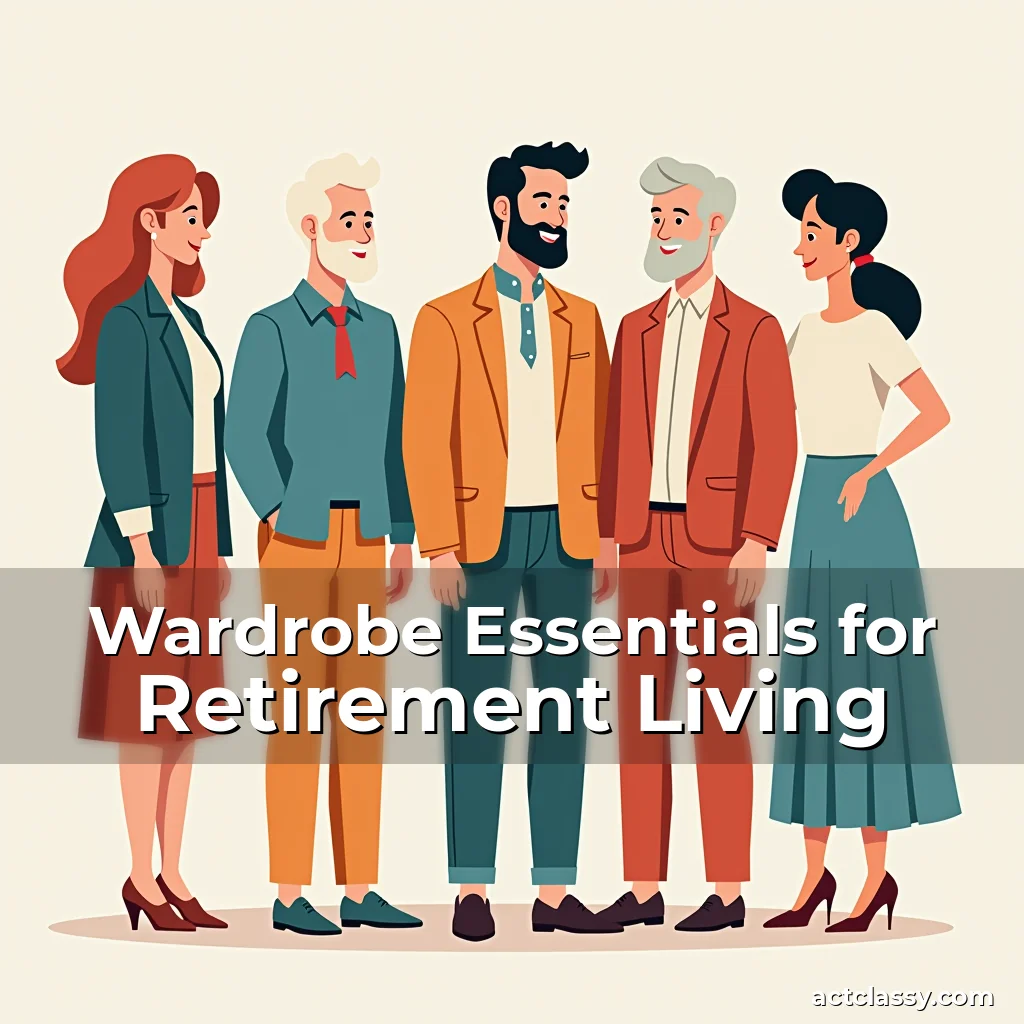
The Foundations of Timeless Style
Elegance lies in the fundamentals. When building a wardrobe for retirement living, prioritize versatile pieces that can be dressed up or down depending on the occasion. This approach ensures you’re always prepared for both casual afternoons and formal events without overcomplicating your routine.
Fabric choice plays a crucial role in achieving timeless style. Opt for materials like cotton blends or high-quality wool that offer breathability yet maintain sophistication even after countless wears. These fabrics become lifelong companions rather than fleeting trends.
- Versatile staples: Invest in classic white shirts, tailored trousers, and simple jumpers that pair seamlessly across various settings.
- Durability matters: Choose garments crafted from premium textiles designed to withstand frequent use without losing shape or color integrity.
Seasonal Adaptations for Comfortable Living
A thoughtfully assembled closet includes solutions for changing temperatures throughout the year. Layering techniques allow easy transitions between seasons while maintaining an elegant appearance. For instance, lightweight sweaters can serve as perfect intermediaries between spring breezes and summer heat.
Winter preparation requires more than just heavy coats; consider incorporating thermal base layers made from merino wool which regulate body temperature effectively. Pairing these with smart outerwear creates a seamless blend of warmth and refinement.
Spring/Summer Tips: Select breathable linens and cotton blends ideal for outdoor activities while still retaining enough polish for evening engagements.
Fall/Winter Focus: Integrate rich textures through knitwear selections and choose jackets that double as evening accessories when paired with appropriate attire.
Clothing Choices That Enhance Mobility
Retroactive thinking might suggest older generations required fewer clothes due to less active lives. However, modern retirees often lead dynamic lifestyles requiring flexible dressing options. Look for garments featuring adjustable waistbands, stretch panels, or flat seams that facilitate ease of motion without compromising aesthetics.
Shoes play an equally vital role in overall mobility. Prioritize footwear with cushioned soles and non-slip treads suitable for varied surfaces. While heels may suit occasional evenings out, opt instead for low-heeled flats or loafers that provide support throughout long days of walking or standing.
- Movement-friendly cuts: Choose skirts with higher rise lines and pants with reinforced knees for added flexibility without sacrificing formality.
- Footwear selection: Consider closed-toe shoes with good arch support to prevent foot fatigue during extended periods of activity.
Functional Accessories That Elevate Any Outfit
Accessories aren’t mere embellishments—they serve functional purposes too. Scarves can transform basic outfits instantly while providing additional warmth during cooler months. Belts help define silhouettes beautifully, adding visual interest where needed most.
Bags deserve special attention given their dual purpose: carrying essentials comfortably while complementing your outfit’s aesthetic. Seek styles with ample interior compartments alongside exterior pockets for organized storage without bulging bulkiness.
Jewelry considerations: Limit jewelry collections focusing primarily on statement pieces worn sparingly. Minimalist designs tend to age better visually while allowing room for personal expression through meaningful heirlooms passed down through generations.
Creating Color Coordination Strategies
Mastering color theory isn’t about following complex rules—it’s understanding how colors interact harmoniously. Begin by selecting neutral base tones (navies, greys) against which bolder hues stand out effectively. This strategy allows experimentation without overwhelming viewers.
Contrast plays nicely with monochromatic palettes. By varying shades slightly within similar color families, depth emerges naturally giving outfits dimensionality absent from solid-color schemes alone.
- Pale pastels: Soft pinks or lavenders work wonders against darker neutrals creating gentle contrasts ideal for daytime wear.
- Rich jewel tones: Deep blues or emeralds add drama when used strategically as accents amidst more subdued backgrounds.
Preparing for Unplanned Occasions
Lifestyle unpredictability demands adaptable wardrobes capable of shifting swiftly from planned meetings to unexpected invitations. Build versatility through interchangeable components—such as detachable collars on shirts or convertible tops that adapt easily between day-to-night scenarios.
Kits containing small essentials (pins, buttons, stain remover wipes) prove invaluable when minor mishaps occur unexpectedly. Keeping these items readily accessible prevents panic moments turning ordinary situations chaotic.
Last-minute ready: Store neatly folded alternatives in visible locations so they’re never far away when needed suddenly—an open drawer full of matching sets could mean saving face during last-minute events.
The Role of Careful Maintenance Practices
Even the finest garments require tender loving care to retain longevity. Regular cleaning according to fabric guidelines extends lifespan significantly compared to neglectful handling practices commonly seen among busy seniors lacking time for meticulous upkeep efforts.
Professional dry-cleaning services specialize in delicate materials needing precise treatment methods unavailable at home washing facilities. Schedule periodic cleanings particularly for silk scarves or wool suits susceptible to damage from improper laundering processes.
Sewing skills benefit: Knowing fundamental sewing techniques enables quick fixes for loose threads or button replacements preventing permanent discarding of beloved pieces prematurely.
Building a Wardrobe Around Personal Identity
While many factors influence wardrobe construction, nothing compares to individuality expressed through chosen fashions. Reflect on what makes you feel genuinely comfortable—and confident—in different contexts before acquiring new additions.
Consideration towards cultural heritage adds profound significance to everyday apparel choices. Traditional patterns or symbolic motifs carry emotional weight beyond superficial design aspects contributing greatly to self-expression through clothing.
Emotional connections matter: Heirloom garments handed down through family lines hold memories imprinted onto fibers themselves forming irreplaceable bonds stronger than any store-bought item ever could.
Technology Integration in Modern Dressing Routines
Smartphones now house digital versions of physical wardrobes complete with AI-driven styling recommendations tailoring suggestions uniquely according to body types and preferences inputted via app interfaces. Such tools streamline decision-making immensely reducing guesswork involved daily get-ready rituals.
Virtual try-on features available online permit testing garment fits virtually eliminating surprise returns associated traditionally with online shopping experiences. Utilize these innovations wisely enhancing efficiency rather than becoming reliant upon them exclusively.
Maintain balance: Combine technological conveniences appropriately alongside tried-and-tested traditional approaches ensuring neither side dominates unnecessarily disrupting natural rhythms established through years of experience.
Environmental Consciousness Through Sustainable Shopping Habits
Eco-friendly initiatives shouldn’t compromise sartorial standards but actually enhance them considerably offering innovative textile solutions developed sustainably respecting planet resources simultaneously meeting quality expectations set forth by discerning consumers seeking responsible consumption models.
Organic cotton variants present viable alternatives maintaining softness characteristics synonymous with conventional cotton production minus harmful pesticide exposure detrimental both environmentally and personally health-wise considering direct skin contact frequency inherent in regular wearing cycles.
Circular economy principles apply: Participate actively within secondhand markets exchanging pre-owned items promoting reuse culture reducing landfill contributions significantly minimizing ecological footprint left behind by fast-fashion industries characterized predominantly by excessive waste generation rates globally.
Conclusion
Retirement living presents unparalleled opportunities redefining personal style expressions freed from previous occupational constraints enabling fuller exploration of creative possibilities through fashion avenues previously unexplored during working years.
Curating thoughtful wardrobes centered around core values enhances overall quality-of-life metrics measurable not solely through appearance evaluations but demonstratively reflected in increased confidence levels observable consistently across diverse interaction environments encountered regularly post-retirement phase.
Begin constructing your ideal ensemble today prioritizing enduring qualities over temporary trends embracing transformations eagerly awaiting discovery within expansive horizons opened newly revealed possibilities brought forth precisely through this pivotal life stage transition period.


As someone who has always found himself involved with online media in one form or another in my career, I have developed a passion for educating myself on the latest developments in publishing and social media and try to bring my love of the medium into my numerous projects.
You May Also Like


Dining Etiquette: When to Start Eating
The Art of Dining: Mastering Table Manners in Modern Society In today's fast-paced world, dining etiquette remains an essential skill...

Manners for Modern Dating and Relationships
The Art of Refinement: Manners in Contemporary Social Interactions In an era defined by rapid technological advancement and evolving social...
Fashion Trends vs Timeless Style
标签开始。 以下为按照您的指令生成的HTML文章:> Fashion Trends vs Timeless Style In an era where fashion evolves at lightning speed, understanding the balance between...
Body Language for Effective Leadership
The Silent Symphony of Influence: Mastering Body Language in Everyday Interactions In an age where communication is often reduced to...
Related Posts
Business Gift Giving Etiquette Rules


Sh*t Just Got Real: A Hilarious Post About Horrible Things
