

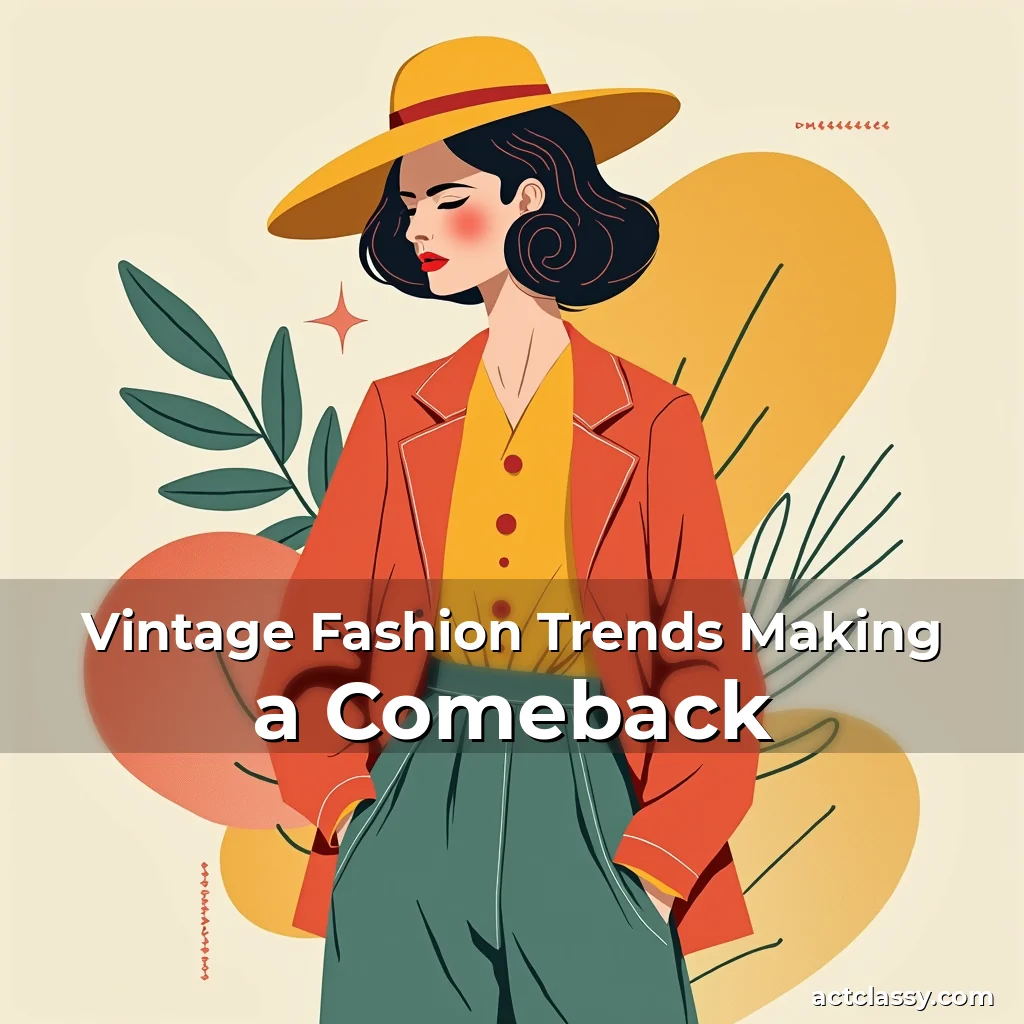
Retro Revival: How Timeless Fashion Shapes Modern Etiquette
The cyclical nature of fashion ensures that styles long forgotten often return with renewed vigor, shaping not only our wardrobes but also the way we express ourselves socially. As society increasingly values individuality alongside tradition, vintage fashion trends have found fertile ground in the hearts of discerning individuals who seek balance between heritage and innovation.
In today’s world, where sustainability and self-expression dominate conversations, vintage-inspired designs offer a compelling solution. These trends allow wearers to honor the past while making conscious choices that resonate with modern sensibilities, creating a harmonious bridge between generations.
Understanding Vintage Influence in Contemporary Style
Fashion, much like art, reflects the zeitgeist of its era, capturing the essence of societal moods, technological advancements, and cultural movements. However, rather than being confined to their original contexts, many vintage motifs have evolved to suit modern needs, merging functionality with aesthetic appeal.
This reimagining of past styles is particularly evident among those who prioritize both elegance and purposeful design. For instance, tailoring techniques from the early 20th century now inform minimalist silhouettes favored by urban professionals seeking timeless sophistication in fast-paced environments.
- Nostalgia: One driving force behind the revival of vintage fashion is the emotional connection people feel toward past eras, which imbues garments with meaning beyond mere utility.
- Sustainability: Choosing pre-loved or reconstructed vintage pieces reduces textile waste, appealing to environmentally conscious consumers seeking alternatives to mass production.
- Individualism: Unlike fleeting seasonal trends, vintage fashion offers a canvas for personal storytelling, allowing wearers to curate identities distinct from mainstream narratives.
Iconic Vintage Elements Resurfacing Today
Detailed scrutiny reveals that specific vintage styles have undergone remarkable transformations while retaining core attributes that make them enduringly popular. From the structured coats of the Roaring Twenties to the sleek lines of Mid-Century Modern minimalism, each element contributes uniquely to contemporary fashion landscapes.
Notably, the ‘90s grunge aesthetic—once associated solely with rebellion—has been repurposed for everyday comfort without sacrificing refinement. This evolution illustrates how even subcultural movements can find legitimacy within broader sartorial traditions.
Reinterpreting Decade-Specific Styles
Data shows a growing consumer interest in decade-specific vintage themes, with particular attention paid to the 1970s’ fluidity and 1980s’ assertiveness. A recent survey indicated that 68% of participants cited these two decades as most influential in their wardrobe decisions due to their contrasting yet complementary characteristics.
Beyond individual preferences, designers actively incorporate period-appropriate fabrics and detailing to evoke authentic nostalgia while meeting current demand for high-quality materials and fit. This dual approach ensures that vintage inspiration remains accessible yet aspirational.
Elevating Personal Etiquette Through Retro Choices
Incorporating vintage attire into daily life extends far beyond mere aesthetics—it becomes a statement of cultural awareness and respect for shared human experiences. This deliberate selection process fosters connections with others who appreciate thoughtful dress as a means of communication.
When executed appropriately, wearing vintage-inspired clothing can signal confidence, openness, and a nuanced understanding of history. It invites conversation, subtly asserting that one is engaged with the world in meaningful ways rather than merely following surface-level trends.
Ceremonial Contexts and Formal Wear
The application of vintage fashion varies greatly depending on setting; whereas casual outings may accommodate looser interpretations, formal events require careful consideration of appropriateness and intent. In professional settings, for example, incorporating subtle nods to historical dress codes maintains decorum without compromising creativity.
Consideration of event-specific protocols remains crucial—even seemingly innocuous choices can carry weight within established hierarchies. Researching historical parallels helps ensure that one’s appearance respects both occasion and company.
Accessories: The Unsung Heroes of Vintage Styling
If clothing serves as the foundation, accessories function as punctuation marks emphasizing thematic continuity between past and present. From opulent jewelry echoing Edwardian grandeur to utilitarian handbags reminiscent of wartime pragmatism, each item carries symbolic freight beyond its functional role.
Selecting accessories requires attentiveness to proportion and cohesion; mismatched embellishments risk diluting rather than enhancing intended effects. When done skillfully however, these elements create visual intrigue that invites closer examination and appreciation.
- Hats: Once ubiquitous indicators of class status, headwear remains potent symbols capable of transforming simple ensembles into theatrical declarations.
- Gloves: Although less common today, gloves retain ceremonial importance during winter months, providing warmth while evoking romanticized notions of yesteryear.
- Jewelry: Layering antique pieces alongside modern counterparts creates narrative richness suggesting engagement with multiple temporal layers simultaneously.
Dress Codes Across Centuries
Anchored firmly within the bedrock of social expectations, understanding historical dress codes provides invaluable insight into navigating modern etiquette complexities. While rigid classifications have softened considerably since Victorian times, vestiges remain embedded in various facets of polite interaction.
Modern reinterpretations acknowledge shifts towards inclusivity and comfort without discarding foundational principles entirely. Recognizing this duality enables informed decision-making regarding appropriate attire across divergent scenarios—from boardrooms to garden parties.
Regional Variations and Cultural Nuances
Cultural specificity plays a pivotal role in determining acceptable vintage styling options; what may constitute perfectly reasonable attire in one region could appear presumptuously dated elsewhere. Sensitivity to local customs prevents unintentional missteps while enriching cross-cultural exchanges.
To illustrate this complexity consider differences in modesty standards—while flowing skirts might signify elegance somewhere else, they could inadvertently breach unspoken norms elsewhere. Awareness of such variations safeguards against embarrassing misunderstandings.
Celebrity Influence and Media Portrayals
Celebrities wield significant power over public perception regarding fashionable choices, frequently catalyzing revivals of once-forgotten styles. Their ability to contextualize historical references makes otherwise niche interests palatable to wider audiences eager for fresh perspectives.
This phenomenon recently manifested when a well-known actress revived Art Deco-era jewelry for red carpet appearances, reigniting global fascination with geometric forms previously overshadowed by contemporary minimalism. Her selections became instant classics appreciated across generations.
Potential Pitfalls and Ethical Considerations
Despite numerous benefits accompanying vintage fashion adoption, conscientious practitioners recognize inherent challenges requiring mitigation strategies. Misinterpretation of historic influences risks producing caricatures rather than accurate representations deserving reverence.
Furthermore, sourcing authentic vintage pieces demands vigilance against exploitative labor practices sometimes linked to replica markets flooded with poor imitations posing as genuine artifacts. Supporting transparent supply chains reinforces positive change within industry ecosystems.
- Authenticity verification: Engaging experts or utilizing reputable appraisal services protects against investing in fraudulent reproductions masquerading as originals.
- Maintaining historical integrity: Altering vintage garments excessively diminishes their value as tangible records of human experience; restoration should aim preservation rather than radical transformation.
- Educational investment: Becoming familiar with garment provenance enhances appreciation levels, enabling more informed consumption decisions rooted in mutual benefit for wearers and objects alike.
Conclusion
In sum, the intersection between vintage fashion trends and modern etiquette underscores humanity’s perpetual quest for identity formation amidst rapidly changing circumstances. By embracing these cyclical patterns mindfully, we cultivate richer dialogues bridging divides formed through time itself.
As you navigate this evolving landscape remember: true sophistication lies not simply in what one wears but how consciously one engages with the stories woven into fabric fibers. With awareness, respect, and imagination, anyone can become curator of a continuously unfolding legacy—one stitch, button, and thread at a time.


As someone who has always found himself involved with online media in one form or another in my career, I have developed a passion for educating myself on the latest developments in publishing and social media and try to bring my love of the medium into my numerous projects.
You May Also Like

Cocktail Party Etiquette for Introverts
Cocktail Party Etiquette for Introverts In today’s fast-paced social scene, cocktail parties remain a staple of sophisticated gatherings, blending casual...

Networking Skills for Entrepreneurs
The Art of Networking in Modern Professional Life In an era where digital connections often overshadow face-to-face interactions, mastering networking...

Dress Code Violations: How to Handle Them
Dress Code Violations: How to Handle Them In today’s socially conscious world, dress code violations have become a significant concern...

Public Speaking for Technical Professionals
The Art of Commanding the Room: Mastering Public Speaking in Professional Settings In today's interconnected world, public speaking has evolved...
Related Posts

Formal Event Invitations: Wording and Design

Hosting Etiquette Thank You and Follow-Up