


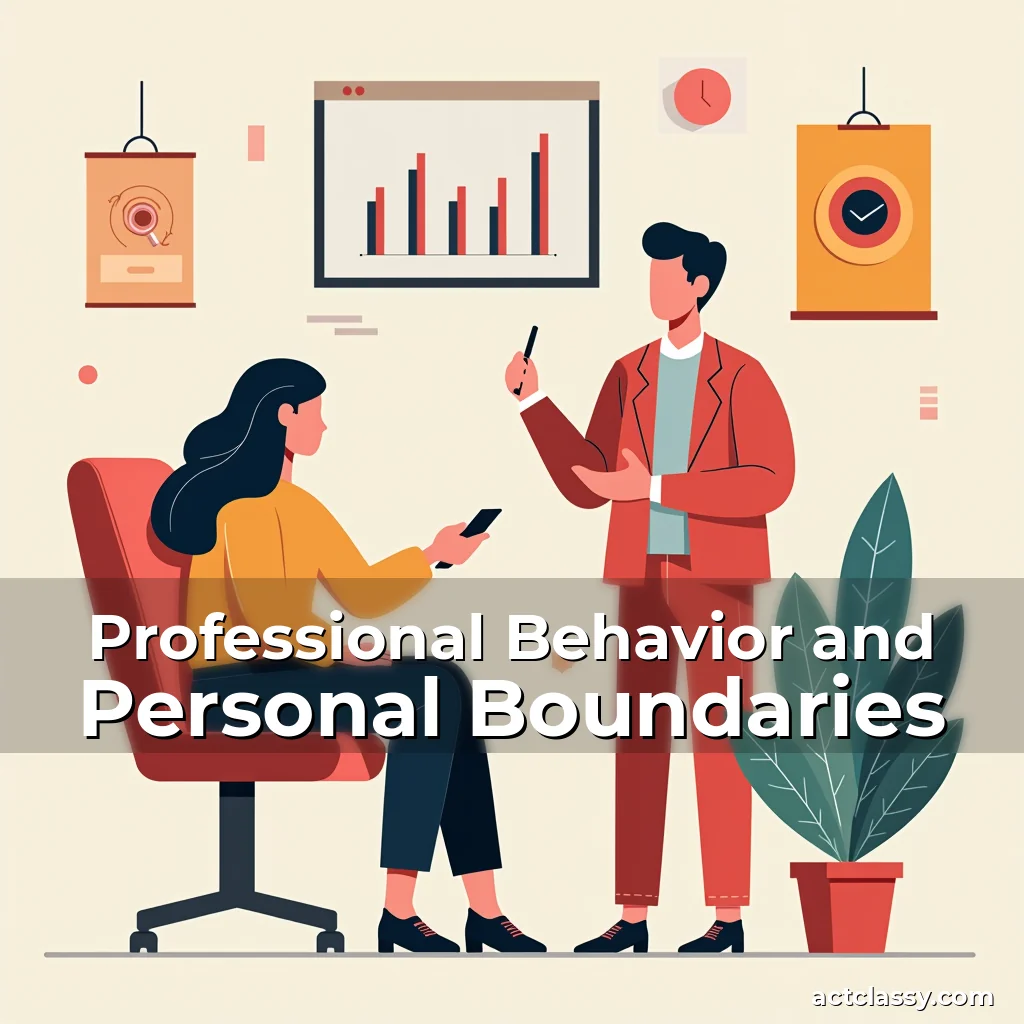
The Art of Professionalism: Navigating Work Etiquette in Modern Professions
In today’s fast-paced professional landscape, mastering the nuances of workplace behavior is essential for career advancement and personal fulfillment. The modern workforce demands a delicate balance between competence and courtesy, requiring individuals to navigate complex social dynamics while maintaining their integrity.
Understanding professional conduct goes beyond mere politeness; it encompasses a comprehensive approach to interpersonal relationships that fosters productivity, respect, and ethical standards in various work environments. This guide explores the multifaceted nature of professional behavior through practical examples and real-world scenarios.
Fundamental Principles of Workplace Conduct
At its core, professional behavior is defined by consistent adherence to organizational values and industry-specific norms. These principles serve as an invisible framework guiding interactions among colleagues, clients, and stakeholders across different sectors.
Respect forms the cornerstone of effective workplace communication. It manifests in active listening, thoughtful responses, and acknowledging diverse perspectives without judgment. When employees demonstrate genuine regard for others’ contributions, they cultivate a collaborative environment conducive to innovation.
Courtesy plays an equally vital role in maintaining harmonious working relationships. Simple gestures such as holding doors open, offering assistance when appropriate, and using polite language can significantly enhance workplace morale and team cohesion.
- Honesty: Upholding truthfulness builds trust within teams and ensures transparency in business operations. Ethical decision-making becomes easier when everyone operates from a foundation of mutual confidence.
- Punctuality: Arriving on time demonstrates reliability and respect for others’ schedules. Chronic lateness erodes credibility and disrupts workflow efficiency across departments.
- Dress Code Compliance: Adhering to established attire guidelines reflects professionalism and contributes positively to the organization’s image. Appropriate grooming also signals attention to detail and self-respect.
Communication Etiquette in the Digital Age
The proliferation of digital communication channels has transformed how professionals interact both internally and externally. Email, instant messaging platforms, and video conferencing tools now dominate daily workflows, necessitating new rules of engagement.
Email correspondence remains a primary mode of formal communication. Crafting clear subject lines, organizing information logically, and proofreading messages before sending are critical components of digital professionalism. Proper email etiquette includes timely responses and appropriate salutations based on relationship levels.
Instant messaging presents unique challenges due to its informal nature. While quick exchanges facilitate real-time collaboration, overuse can lead to distractions and blurred boundaries between work and personal life. Establishing clear expectations regarding response times helps maintain productive conversations.
Video conferences require additional considerations related to technology setup and virtual presence. Ensuring good lighting, minimizing background noise, and dressing appropriately for online meetings reinforces professional standards even in remote settings.
Building Healthy Workplace Relationships
Establishing positive rapport with coworkers requires intentional effort and emotional intelligence. Recognizing individual differences, showing appreciation for contributions, and being genuinely interested in colleagues’ well-being foster strong connections.
Boundaries play a crucial role in maintaining healthy professional relationships. Knowing when to engage in casual conversation versus focusing on task-oriented discussions helps prevent misunderstandings and maintains focus on shared objectives.
Managing Office Politics with Grace
Office politics inevitably arise in any workplace setting, often stemming from competing priorities and limited resources. Approaching these situations with maturity and objectivity allows professionals to navigate power dynamics constructively rather than destructively.
A survey conducted by the Society for Human Resource Management revealed that 68% of employees have experienced office politics at some stage in their careers. Those who adopt proactive strategies, such as seeking mentorship and documenting decisions, tend to handle these challenges more effectively.
Maintaining neutrality during conflicts is essential for preserving professional credibility. Avoid taking sides unless necessary, and always base opinions on facts rather than speculation. Documenting key points in written records provides protection against misinterpretations later.
Time Management and Productivity Ethics
Ethical time management involves balancing workload responsibilities with personal commitments while respecting deadlines set by supervisors or clients. Prioritization techniques help ensure tasks receive adequate attention without compromising quality.
Meeting deadlines consistently demonstrates accountability and reliability. Proactively communicating delays or potential issues shows initiative and responsibility towards project timelines. Employers value professionals who take ownership of their obligations.
Work-life balance deserves careful consideration in modern professions. Setting realistic expectations about availability outside regular hours promotes sustainable performance and prevents burnout. Learning to say ‘no’ politely yet firmly protects energy reserves for meaningful engagements.
Handling Conflict Constructively
Conflicts are inevitable in any workplace but need not derail productivity. Addressing disagreements respectfully through structured dialogue enables resolution without damaging relationships. Active listening skills prove invaluable in understanding differing viewpoints.
When initiating difficult conversations, choose an appropriate setting free from interruptions. Focus on behaviors rather than personalities to avoid defensiveness. Proposing solutions collaboratively increases chances of reaching mutually beneficial outcomes.
Documenting conflict resolutions in writing serves dual purposes: it creates a reference point for future disputes and establishes clear parameters for acceptable behavior moving forward. This practice particularly benefits larger organizations dealing with recurring issues.
Adapting to Cultural Diversity in the Workplace
Globalized workplaces demand heightened sensitivity toward cultural differences affecting communication styles, decision-making processes, and social customs. Awareness of these variations enhances cross-cultural cooperation and minimizes misunderstandings.
Language barriers may pose particular challenges when interacting with non-native speakers. Speaking clearly, avoiding idiomatic expressions, and allowing sufficient time for comprehension show respect for linguistic diversity. Visual aids often supplement verbal instructions effectively.
Rituals and traditions vary widely across cultures, influencing everything from meeting protocols to gift-giving practices. Researching cultural backgrounds ahead of international assignments helps prevent unintentional offenses and fosters goodwill among global teams.
Maintaining Integrity Under Pressure
High-pressure situations test character and commitment to ethical standards. Remaining composed under stress demonstrates resilience and sets a positive example for peers. Stress management techniques become crucial for sustaining long-term effectiveness.
Integrity demands consistency between actions and stated values even when faced with tempting shortcuts. Refusing unethical requests preserves personal ethics and avoids entanglement in dubious activities. Choosing principle over convenience strengthens professional reputation over time.
Support networks provide vital outlets for managing pressure-related concerns. Confiding in trusted mentors or HR representatives offers perspective and guidance when facing moral dilemmas. Seeking advice doesn’t imply weakness but rather indicates wisdom in valuing sound judgment.
Continuous Improvement Through Feedback
Receiving constructive feedback is essential for professional growth. Approaching criticism with openness rather than defensiveness transforms negative experiences into learning opportunities. Developing thick skin against occasional negativity builds psychological resilience.
Giving feedback requires tact and precision. Focusing on observable behaviors instead of personality traits makes suggestions more palatable. Using the SBI model (Situation-Behavior-Impact) ensures clarity in conveying performance observations.
Regular self-assessment complements external evaluations by highlighting areas needing improvement. Tracking progress systematically reveals patterns that inform targeted development plans. Celebrating small victories maintains motivation throughout the journey.
Conclusion
Professionals who master the art of workplace etiquette create environments where creativity thrives, teamwork flourishes, and ethical standards remain uncompromised. Their ability to adapt to evolving circumstances while staying true to fundamental principles defines exceptional leadership qualities.
By cultivating respectful communication habits, developing emotional intelligence, and committing to continuous improvement, individuals position themselves for sustained success in competitive professional landscapes. Remember, true professionalism lies not only in what we do but also in how we relate to those around us every day.
“`


As someone who has always found himself involved with online media in one form or another in my career, I have developed a passion for educating myself on the latest developments in publishing and social media and try to bring my love of the medium into my numerous projects.
You May Also Like


Elegance Through Minimalism and Simplicity
Elegance Through Minimalism and Simplicity Elegance is often mistaken for opulence, but at its core, true elegance thrives on restraint....

Women's Wardrobe Essentials: Timeless Pieces
The Art of Curated Style: Essential Elements That Define a Woman’s Wardrobe A well-stocked wardrobe isn’t simply about owning clothes—it’s...

Sustainable Event Planning Practices
Elevating Hostessing: A Modern Etiquette Guide to Curated Events In an age where every gathering is scrutinized for originality and...

Networking Skills: Following Up Effectively
The Art of Networking: Mastering Follow-Up Strategies in Professional Settings In an era where connections often determine career trajectories, mastering...
Related Posts

Business Gift Giving Etiquette Rules

Fine Dining Manners: Practical Applications and Benefits

