


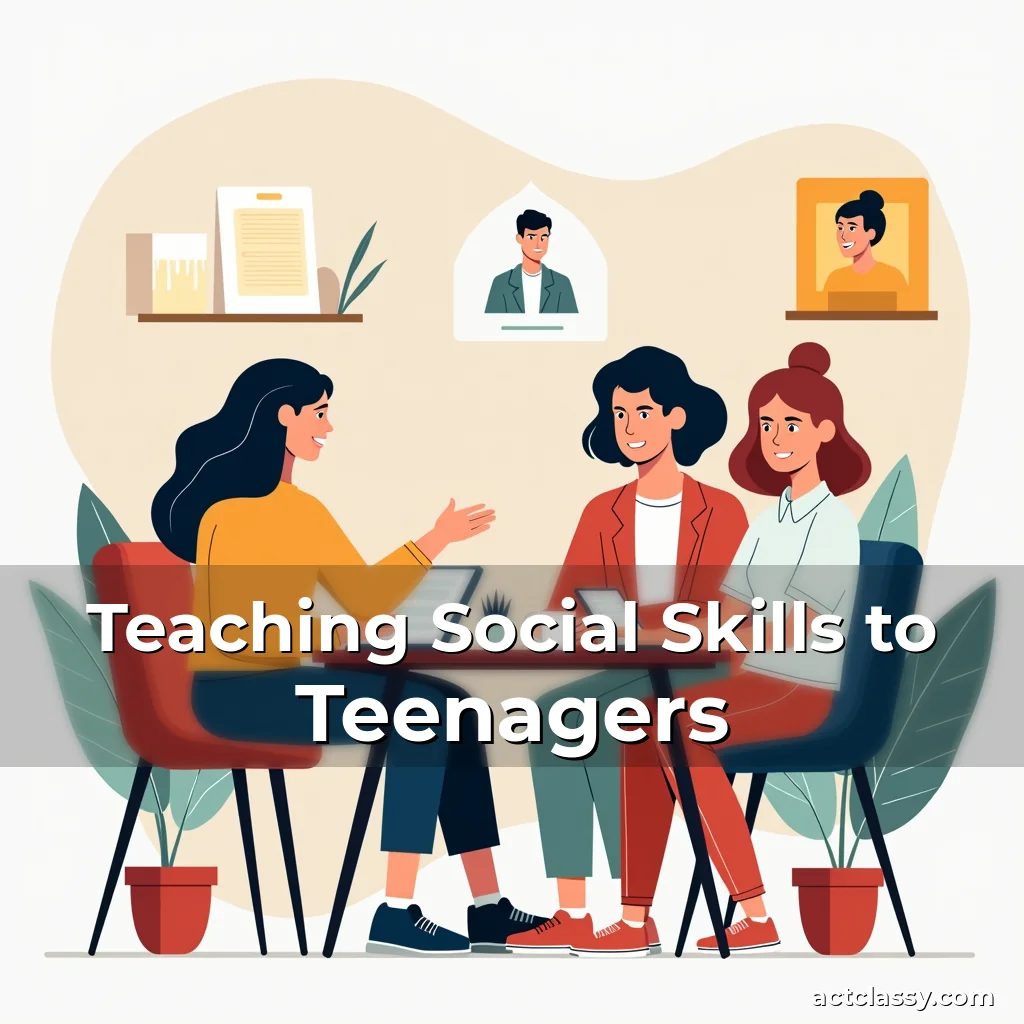
The Art of Connection: Mastering Social Skills in Modern Life
In an age where digital interactions often overshadow face-to-face conversations, mastering social skills has become both essential and transformative. Whether navigating professional environments, building meaningful relationships, or simply thriving in daily life, strong interpersonal abilities are the cornerstone of success.
This guide explores practical strategies, psychological principles, and real-world applications that will help you elevate your social intelligence. From understanding nonverbal cues to fostering authentic connections, we’ll uncover the tools that make every interaction more impactful.
Fundamental Building Blocks of Social Competence
Social competence begins with self-awareness. Recognizing how our emotions influence behavior is crucial for effective communication. This awareness allows us to manage reactions during challenging situations and maintain composure under pressure.
Active listening forms another foundational element. It involves fully concentrating on the speaker without interrupting or formulating responses prematurely. When people feel truly heard, they’re more likely to open up and engage meaningfully.
Empathy plays a vital role: Understanding others’ perspectives fosters deeper connections. Practicing empathy requires setting aside personal biases to genuinely appreciate different viewpoints.
Nonverbal communication accounts for approximately 93% of human interaction according to Albert Mehrabian’s research. Body language, eye contact, and facial expressions convey messages that words alone cannot express.
- Tone of voice: A warm tone can transform even simple statements into comforting reassurances
- Gestures: Open postures signal approachability while crossed arms may suggest defensiveness
- Eye contact: Maintaining appropriate eye contact builds trust but must be balanced with cultural sensitivity
Cultivating Emotional Intelligence Through Practice
Emotional intelligence develops through consistent practice rather than innate ability. Observing how others react in various scenarios provides invaluable learning opportunities. These observations help identify patterns in emotional responses across different contexts.
Journaling after significant social encounters helps track progress over time. Noting what worked well and areas needing improvement creates a roadmap for growth. This reflective process enhances metacognition about social interactions.
A key technique involves pausing before responding emotionally charged situations. Taking three deep breaths before reacting allows space for thoughtful consideration instead of impulsive replies.
Role-playing exercises with friends or mentors offer safe spaces to experiment with new approaches. Receiving constructive feedback enables refinement of techniques until they feel natural in real-life settings.
Measuring Progress in Social Development
Tracking improvements objectively requires establishing clear metrics. One measurable indicator might be increased confidence levels reported by peers or supervisors. Another could involve noting reduced frequency of misunderstandings in group settings.
Self-assessment questionnaires provide structured ways to evaluate growth. Regularly completing these assessments reveals trends and highlights areas requiring focused attention. Many online resources now offer customizable templates tailored to individual goals.
Seeking external validation from trusted individuals offers perspective beyond self-perception. Their honest feedback identifies blind spots that internal reflection might overlook. Combining objective measures with subjective experiences paints a complete picture of development.
Navigating Complex Social Environments
Modern workplaces demand nuanced social navigation skills. Understanding unspoken rules within organizational cultures prevents missteps that could hinder career advancement. Paying attention to informal hierarchies and power dynamics is particularly important.
Building rapport with colleagues starts with showing genuine interest in their work. Asking thoughtful questions about projects demonstrates engagement and respect. Small gestures like remembering birthdays or offering assistance when overloaded show appreciation.
Diversity training programs have become standard in many organizations. Participating actively in such initiatives expands understanding of different backgrounds and communication styles. This knowledge reduces potential conflicts arising from cultural differences.
Maintaining professionalism remains critical even in casual office environments. Knowing when to use humor appropriately versus keeping things serious ensures appropriate boundaries are maintained at all times.
Constructive Conflict Resolution Techniques
Conflicts arise naturally in any social context. The goal shouldn’t be avoiding disagreements but developing methods to resolve them constructively. Approaching issues with curiosity rather than confrontation promotes collaborative solutions.
Using “I” statements expresses feelings without blaming others. Instead of saying “You never listen,” rephrasing as “I feel unheard when discussions get cut off” maintains objectivity while conveying needs clearly.
Active listening becomes even more crucial during conflict resolution. Paraphrasing what someone said confirms understanding and shows willingness to find common ground. This technique also helps identify underlying concerns that need addressing.
Setting mutually agreeable goals focuses efforts on shared outcomes rather than opposing positions. Finding points of agreement first establishes a foundation upon which compromises can be built effectively.
Enhancing Communication Across Cultures
Cross-cultural communication demands heightened attentiveness. Being aware of cultural norms regarding personal space, touch, and directness avoids unintentional offenses. Researching customs beforehand prepares for respectful interactions.
Linguistic barriers require creative problem-solving. Using visual aids, simplifying vocabulary, and employing repetition enhance clarity when communicating with non-native speakers. Patience and flexibility become essential virtues in these situations.
Developing cultural humility acknowledges that we don’t know everything about other traditions. Remaining open to learning from others prevents assumptions based on stereotypes or preconceived notions about particular groups.
Observing body language closely complements verbal communication. Some cultures value indirect communication while others prefer straightforward approaches. Recognizing these preferences helps adapt speaking style accordingly.
Technology’s Role in Shaping Social Interactions
Digital platforms have revolutionized how we connect socially. While virtual meetings replace traditional face-to-face gatherings, they introduce unique challenges related to maintaining engagement remotely. Video calls require extra effort to sustain connection compared to in-person meetings.
Social media presents opportunities for expanding networks while posing risks of superficial interactions. Balancing online presence with quality offline relationships ensures meaningful connections aren’t lost amidst constant connectivity.
Screen-based communication lacks nonverbal cues present in person-to-person exchanges. Compensating through deliberate use of emojis, typing delays, and explicit clarification requests helps prevent misunderstandings in written correspondence.
Face-to-face interactions remain irreplaceable for building trust and rapport. Preserving these moments despite technological advancements ensures continued development of essential interpersonal skills necessary for successful relationships.
Personal Growth Through Social Engagement
Engaging regularly with diverse groups promotes personal development. Exposure to varying opinions broadens perspectives and enhances cognitive flexibility. These experiences challenge comfort zones in productive ways.
Volunteering activities create opportunities for practicing social skills in supportive environments. Working alongside others toward common goals reinforces teamwork abilities while contributing positively to communities.
Pursuing hobbies that involve collaboration strengthens relationship-building capacities. Group classes, sports teams, and community projects all foster social bonds through shared interests and mutual support.
Continuous learning keeps social skills current with evolving societal expectations. Attending workshops, reading relevant literature, and seeking mentorship ensure ongoing growth and adaptation to changing interpersonal landscapes.
Conclusion
Mastering social skills transforms everyday interactions into meaningful experiences. By combining self-awareness, active listening, and cultural sensitivity, individuals cultivate stronger personal and professional relationships.
Remember that social proficiency grows through regular practice and mindful application. Embrace each opportunity to connect authentically and watch your capacity for fulfilling relationships expand exponentially.
“`


As someone who has always found himself involved with online media in one form or another in my career, I have developed a passion for educating myself on the latest developments in publishing and social media and try to bring my love of the medium into my numerous projects.
You May Also Like


Hosting Etiquette on a Budget
The Art of Hosting With Grace: Essential Etiquette Tips for Every Occasion In today's fast-paced world, hosting gatherings has evolved...

Digital Social Skills for Online Communities
Digital Social Skills for Online Communities In today’s interconnected world, mastering social skills extends beyond face-to-face interactions—it’s essential for thriving...
Teaching Good Manners to Young Children
The Art of Refinement: Cultivating Elegant Etiquette in Everyday Life In an age where digital communication often overshadows face-to-face interactions,...

Hosting Etiquette Timeline and Preparation
The Art of Hosting: Mastering Etiquette from Invitation to Farewell In today's fast-paced world, hosting has evolved beyond mere hospitality—it’s...
Related Posts


Sh*t Just Got Real: A Hilarious Post About Horrible Things

Business Professional Dress Code Standards
