


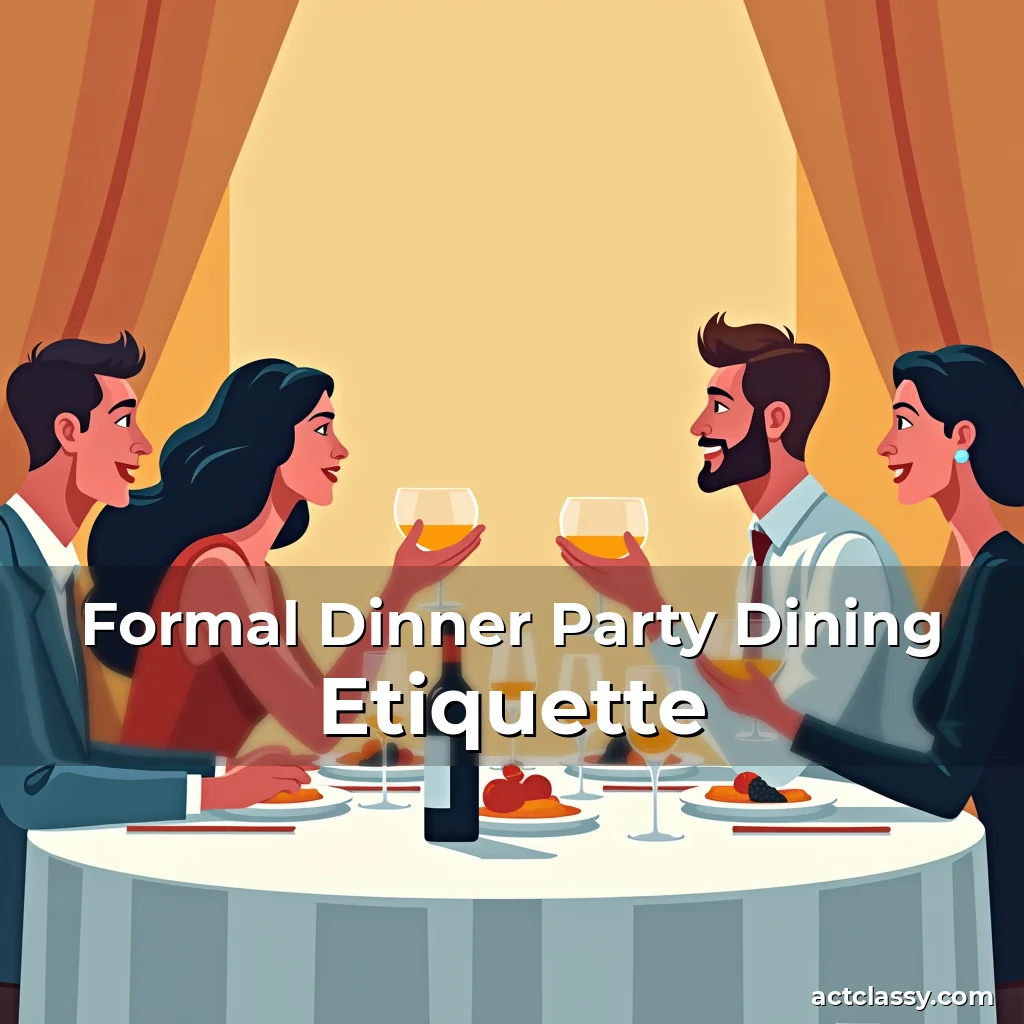
The Art of Refinement: Mastering Formal Dinner Party Dining Etiquette
In an era where social interactions are increasingly mediated by screens and digital platforms, there is something undeniably charming about the rituals of formal dining. For those who appreciate the nuances of good manners and refined behavior, mastering dinner party etiquette is not merely about avoiding faux pas—it’s about embracing an art form that has been perfected over centuries.
Dinner parties offer a unique opportunity to showcase your poise, respect for others, and attention to detail in a setting that demands both grace and subtlety. Whether you’re attending a black-tie affair at a prestigious hotel or hosting friends for a special occasion, understanding these time-honored customs can transform your experience from ordinary to extraordinary.
The Foundation of Table Manners
Before even taking a seat at the table, it’s essential to understand the hierarchy of seating arrangements. In most formal settings, the hostess typically sits at the head of the table, while her spouse occupies the position to her right. This arrangement allows for easy conversation flow and ensures that the most honored guests receive priority placement.
When seated, maintain upright posture as it conveys confidence and attentiveness. Avoid slouching or leaning back against the chair unless specifically instructed otherwise. A slight forward lean when conversing shows engagement without being overly intrusive.
- Foot Placement: Keep feet flat on the floor beneath the chair; never cross them or extend them under the table
- Eyes Contact: Maintain appropriate eye contact during conversations but avoid staring intently which may be perceived as uncomfortable
The use of utensils follows a specific order determined by their proximity to the plate. Begin with the outermost fork or spoon and work inward as courses progress. Remember that silverware is usually arranged according to the sequence of meals served.
It’s customary to hold the knife in the right hand and the fork in the left for cutting food. However, if using only a fork, place it in the right hand and use the thumb and fingers to manipulate the tines effectively.
Navigating the Course Sequence
A typical formal dinner consists of several distinct courses, each requiring its own set of dining protocols. Understanding the progression—from appetizers to dessert—ensures smooth transitions and prevents any awkward moments due to unfamiliarity with service expectations.
Beverages should always be poured before serving the first course. Wine glasses are generally filled halfway for red wines and three-quarters full for white wines to allow optimal aromas to develop. Never fill a glass completely unless specified by the server.
As the meal progresses through various courses, take note of how your silverware changes positions accordingly. After finishing a course, place the used utensils on the side plate rather than leaving them on the table until the end of the meal.
Understanding Service Styles
There are different types of restaurant service styles such as American, French, Russian, and British. Knowing which style applies helps determine whether servers will present dishes individually or bring them out collectively based on established procedures.
For instance, in American-style service, waitstaff brings individual plates directly to diners’ tables. Conversely, in French-style service, courses might come from a central platter presented by the chef himself or his sous-chef depending upon the establishment’s tradition.
Recognizing these distinctions enables guests to anticipate what actions are expected regarding handling cutlery and other items related to receiving food presentations properly without causing disruptions.
Conversation Dynamics During Meals
Engaging in thoughtful dialogue enhances the overall ambiance of a formal dinner gathering. However, maintaining respectful discussion topics becomes crucial since certain subjects could potentially cause discomfort among attendees.
Voice modulation plays an integral role here too—you want to speak clearly enough so everyone can hear yet remain discreet enough not to overwhelm nearby conversations happening simultaneously across the room.
If someone seems disinterested in a particular subject matter being discussed, politely shift gears towards lighter themes such as travel experiences, recent events within shared interests areas, etc., ensuring inclusivity remains intact throughout the evening.
Active listening skills also contribute significantly toward creating positive impressions. Nodding occasionally while others talk demonstrates genuine interest in what they have to say rather than simply waiting for your turn to respond.
Handling Alcohol Gracefully
While alcohol consumption often accompanies formal dinners, moderation and discretion become paramount considerations. Overindulgence risks impairing judgment and leading to unbecoming behaviors contrary to the elegant atmosphere intended for such occasions.
Accepting drinks offered by hosts or fellow guests gracefully reflects well on one’s character traits associated with self-control and appreciation for hospitality extended voluntarily.
Sometimes, refusing an alcoholic beverage politely requires tactful phrasing rather than outright rejection which might unintentionally offend whoever made the offer initially.
Non-alcoholic alternatives deserve equal consideration whenever available because they cater better to individuals abstaining due health reasons or personal preferences unrelated drinking habits altogether.
Fine Dining Protocols Around Desserts
Dessert represents the final chapter of many elaborate multi-course meals. Properly executing this phase maintains consistency with previous standards observed earlier during preceding courses.
Chocolate fondue stations require particularly careful approach considering potential messiness involved despite seeming fun aspect appealing visually attractive setups created intentionally.
Cheese boards necessitate sampling small portions from each variety displayed carefully selecting ones that complement palate best rather than consuming excessive quantities indiscriminately.
Pastries demand gentle handling especially delicate textures prone breakage easily unless handled correctly following recommended techniques demonstrated by professionals trained specifically for these purposes.
Etiquette Beyond the Plate
Behaviors outside direct interaction around eating still carry weight concerning general conduct deemed acceptable within upscale environments featuring strict codes governing appearances alongside mannerisms exhibited publicly.
Smoking restrictions vary widely depending location visited thus checking ahead beforehand proves prudent measure preventing violations likely resulting fines penalties imposed strictly enforced policies meant protect public safety concerns primarily focused indoor air quality issues arising secondhand smoke exposure dangers.
Cell phone usage presents another challenge modern society faces trying reconcile technological advances traditional face-to-face communication needs prioritized heavily during high-end gatherings emphasizing human connection above virtual distractions introduced smartphones capabilities.
Photography rules differ between venues some places allowing limited snapshots others banning entirely except designated areas explicitly marked for such activities only thereby respecting privacy rights maintained consistently throughout entire premises operated responsibly managing visitor expectations appropriately.
Special Considerations for Cultural Sensitivities
International cuisines introduce additional layers complexity navigating diverse traditions practiced globally varying significantly region country origins influencing approaches taken towards specific foods consumed respectfully acknowledging cultural significance attached them.
Religious dietary laws demand utmost sensitivity ensuring compliance requirements fulfilled accurately preventing inadvertent offenses stemming ignorance surrounding sacred practices upheld religious communities worldwide honoring beliefs deeply ingrained identities shaping daily life choices affecting broader societal structures formed through collective adherence prescribed guidelines.
Linguistic barriers sometimes pose challenges interpreting instructions given verbally therefore preparing oneself familiarize common terms expressions relevant context facilitates smoother navigation complex situations encountered unexpectedly.
Gestural meanings differ cultures making nonverbal cues unreliable indicators intent communicated effectively universally understood symbols adopted commonly across societies recognized widely accepted norms promoting mutual comprehension fostering harmonious interpersonal relations cultivated deliberately through mindful awareness exhibited consciously during encounters involving foreign nationals engaged intercultural exchanges pursued earnestly seeking deeper understanding transcending superficial differences separating people groups united common humanity experienced universally regardless geographical locations inhabited.
Hosting Responsibilities and Expectations
Those responsible organizing events bear significant obligations ensuring seamless execution meeting lofty expectations held by invitees anticipating exceptional experiences delivered flawlessly executed meticulously planned affairs demonstrating commitment excellence reflected every detail incorporated event design implementation phases.
Selecting suitable venue involves evaluating numerous factors including capacity constraints accessibility features availability amenities required facilitating successful outcomes aligned with goals envisioned planners initiating projects aiming create memorable occurrences cherished long after actual occurrences transpired temporarily.
Catering services play pivotal roles determining success levels achieved dependent upon quality standards maintained consistently throughout preparation processes culminating satisfying results exceeding initial projections formulated realistically accounting variables influencing potential deviations occurring naturally unpredictable nature human endeavors inevitably fraught uncertainties demanding flexibility adaptive strategies employed proactively preemptively addressing emerging challenges efficiently resolved swiftly minimizing disruption overall enjoyment derived participants engaged events celebrating milestones commemorating achievements recognizing contributions deserving acknowledgment bestowed appropriately.
Invitation wording carries symbolic importance conveying messages precisely intending recipients comprehend nuances embedded language utilized transmitting accurate information necessary forming clear expectations enabling effective participation fulfilling obligations incurred willingly accepting invitations issued formally extending courtesy reciprocated thoughtfully considering implications entailed accepting commitments undertaken knowingly.
Conclusion
Mastery of formal dining etiquette goes beyond mere rule-following—it cultivates an aura of sophistication that permeates every interaction at the table. By internalizing these principles, you elevate your presence in social circles and demonstrate a deep respect for the traditions that define polite company.
Whether you’re an avid attendee of galas or someone new to the world of fine dining, applying these lessons will ensure that your next formal dinner experience leaves lasting positive impressions. Embrace the elegance of proper dining etiquette and let it guide your journey toward becoming a true connoisseur of refinement and grace.


As someone who has always found himself involved with online media in one form or another in my career, I have developed a passion for educating myself on the latest developments in publishing and social media and try to bring my love of the medium into my numerous projects.
You May Also Like


Modern Dating Etiquette Guidelines
The Art of Modern Etiquette: Navigating Today's Social Landscape with Grace In an age where digital interactions often overshadow face-to-face...


RoundTable Thursday : The Avengers & Phone Hacking
Welcome to another RoudTable Thursday! The only round table discussion that features the writers of Act Classy that you can...

Formal Event Etiquette: Complete Protocol
Formal Event Etiquette: Complete Protocol In today’s world, formal events remain pivotal moments for networking, celebration, and cultural expression. Whether...

Business Gift Giving Etiquette Rules
Mastering Business Gift-Giving Etiquette in Today’s Professional World In an era where personal connections often determine professional success, business gift-giving...
Related Posts


A (More or Less) Safe for Work Look at the World of Superhero Porn

Wine Dining Etiquette: Tasting and Pairing
