


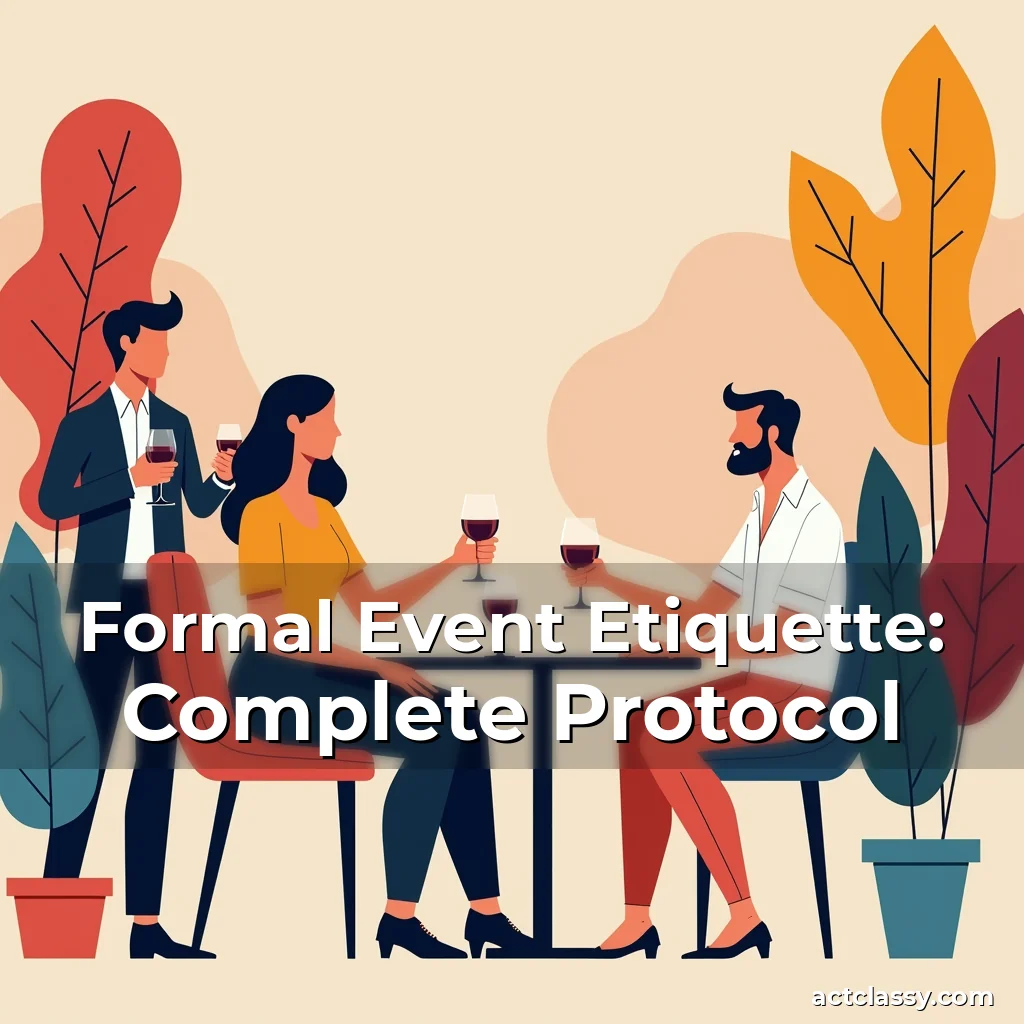
Formal Event Etiquette: Complete Protocol
In today’s world, formal events remain pivotal moments for networking, celebration, and cultural expression. Whether it’s a gala, wedding, or corporate dinner, understanding the nuances of etiquette transforms ordinary experiences into memorable ones. Proper preparation ensures guests feel confident, respected, and aligned with societal norms.
The stakes of formal events have never been higher. A single misstep—a mismatched accessory, a delayed arrival, or an ill-advised remark—can disrupt the harmony of an evening. Yet, mastering these rituals isn’t merely about avoiding mistakes; it’s about embracing grace, respect, and sophistication in every interaction.
The Evolution of Formal Attire: From Tradition to Modernity
Attire remains the cornerstone of any formal gathering. While trends evolve, foundational principles endure. Understanding the difference between “black tie” and “white tie,” or “cocktail attire” and “business formal,” is essential to avoid unintentional offense.
Historically, formalwear was dictated by rigid class structures. Today, however, adaptability prevails. Men may opt for tailored tuxedos or crisp suits, while women might choose floor-length gowns or elegant cocktail dresses. The key lies in matching the event’s theme and venue’s ambiance.
- Black Tie: Defined by tailcoats, bow ties, and patent leather shoes for men; long evening gowns with minimal ornamentation for women.
- Cocktail Attire: Semi-formal clothing, such as blazers and trousers for men, paired with knee-length skirts or dresses for women.
- White Tie: Reserved for the most elite occasions, requiring full-dress uniforms and high-necked gowns.
Sometimes, subtle details matter. For example, a man wearing a double-breasted suit must ensure his jacket fits precisely at the waistline. Women should avoid excessive volume in their hairstyles unless explicitly permitted by the event’s dress code.
Accessories complete the look. Men should prioritize cufflinks and pocket squares, while women may opt for statement jewelry—but always in moderation. Over-accessorizing risks overshadowing the occasion itself.
Arrival Times: Precision Matters
Arrival timing is a silent testament to your regard for the event. Arrive slightly before the designated hour to allow for smooth transitions and avoid overcrowding reception areas.
Miscevaluating arrival windows can lead to awkward scenarios. If the invitation states “6:00 PM,” arriving promptly at 6:00 PM signals punctuality, whereas arriving ten minutes later may appear disrespectful, especially if others have already gathered.
RSVP Etiquette: Confirmations and Cancellations
Responding to invitations with timeliness is non-negotiable. Delays in confirmation may inconvenience hosts who plan seating arrangements or menu selections accordingly. Always adhere to stated deadlines.
If circumstances change, notify hosts immediately. Apologize sincerely and offer alternative solutions, such as sending a gift or adjusting plans for future events. Proactive communication prevents embarrassment and maintains goodwill.
Dining Etiquette: Navigating the Table Gracefully
Dinner parties demand meticulous attention to table manners. Familiarize yourself with the correct use of utensils, napkin placement, and pacing of conversations to avoid disruptions.
Begin by waiting for the host to indicate the meal’s start. Avoid fiddling with cutlery until plates are served. When eating, maintain eye contact with companions rather than focusing solely on your plate.
- Utensil Order: Left-handed individuals may reverse the arrangement, but always follow the standard sequence unless instructed otherwise.
- Napkin Placement: Fold neatly and place on your lap. Never drape it over your shoulders or leave it on the seat.
- Bread Handling: Use your hands to tear bread, not your knife. Butter should be applied sparingly and spread evenly.
Drink consumption follows similar logic. Sip beverages discreetly, avoiding loud gulps or clinking glasses unless part of a toast. Refrain from discussing controversial topics during meals, reserving spirited debates for after-dinner conversations.
When leaving the table temporarily, place your napkin loosely on your chair—not folded—as a signal that you’ll return shortly. Folding it indicates you’re finished, which may confuse servers.
Host-Guest Dynamics: Respect Through Action
Greetings and farewells set the tone for interactions with hosts. A warm smile, firm handshake, and respectful acknowledgment of their efforts
Cultural Sensitivity: Bridging Global Expectations
Formal events span cultures, necessitating awareness of diverse customs. Ignorance of regional protocols can lead to unintended offenses, undermining mutual respect.
Research fundamental differences beforehand. For instance, in some Asian cultures, exchanging business cards involves both hands and careful inspection. In contrast, Middle Eastern hospitality dictates generous offering of refreshments.
Dress codes vary globally. In conservative settings, modesty extends beyond clothing choices to behavior and speech. Conversely, Western-style elegance prioritizes style over restraint.
Linguistic Considerations: Speaking Across Boundaries
Languages shape communication styles. Directness in English contrasts with indirectness in Japanese or French. Adjust phrasing to match cultural expectations of politeness and ambiguity.
Use universal gestures cautiously. Thumbs-up signifies approval in some regions but insult in others. Eye contact conveys confidence in Western societies but may challenge authority in hierarchical cultures.
Patience is essential. Misunderstandings occur despite good intentions. Respond calmly, clarify intentions, and seek clarification rather than making assumptions.
Learning basic greetings or expressions of thanks in the native tongue demonstrates respect. Simple phrases like “please” or “thank you” transcend linguistic barriers effectively.
Health and Safety Etiquette: Modern Concerns
Recent global shifts have redefined priorities, emphasizing hygiene and safety. Adhering to updated protocols ensures comfort for all participants.
Vaccination status, mask-wearing, and hand sanitization are now routine considerations. Follow posted guidelines strictly, respecting decisions made by event organizers and medical professionals.
Respect personal space boundaries, particularly in crowded environments. Physical proximity varies across cultures, so adjust accordingly without infringing on others’ comfort zones.
Emergency Preparedness: Anticipating Contingencies
Familiarize yourself with emergency exits and procedures. In case of unforeseen situations, stay calm and assist others when possible without endangering yourself.
Contact information for venue staff, security personnel, and emergency services should be readily accessible. Carry a phone charged and ready for immediate use.
Report incidents promptly and accurately. Provide factual accounts without speculation, allowing authorities to intervene swiftly and effectively.
Afterward, debrief with trusted individuals to evaluate lessons learned. Continuous improvement enhances preparedness for future engagements.
Conclusion
Mastering formal event etiquette transcends mere compliance—it cultivates refinement, empathy, and cultural fluency. These skills enrich interpersonal connections and elevate professional opportunities alike.
Whether hosting or attending, approach each moment with intention. Let curiosity replace complacency, and let respect govern actions. In doing so, transform every formal affair into a celebration of human connection and shared values.


As someone who has always found himself involved with online media in one form or another in my career, I have developed a passion for educating myself on the latest developments in publishing and social media and try to bring my love of the medium into my numerous projects.
You May Also Like


Modern Gift Giving Etiquette
Modern Gift Giving Etiquette in the Digital Age In an era defined by rapid technological advancements and evolving social norms,...

First Impressions for Sales Meetings
Mastering First Impressions in Sales Meetings: Etiquette Tips That Leave Lasting Impacts In today's fast-paced business world, making a strong...

Wedding Etiquette for Guests and Hosts
The Art of Modern Etiquette: Navigating Social Grace in Today's World In an age where digital communication often overshadows face-to-face...

Teaching Social Graces to the Next Generation
Mastering Modern Social Graces in a Digital Age In an era dominated by screens and scroll-through culture, social graces are...
Related Posts
Public Speaking for Technical Professionals

Virtual Event Planning Best Practices
