

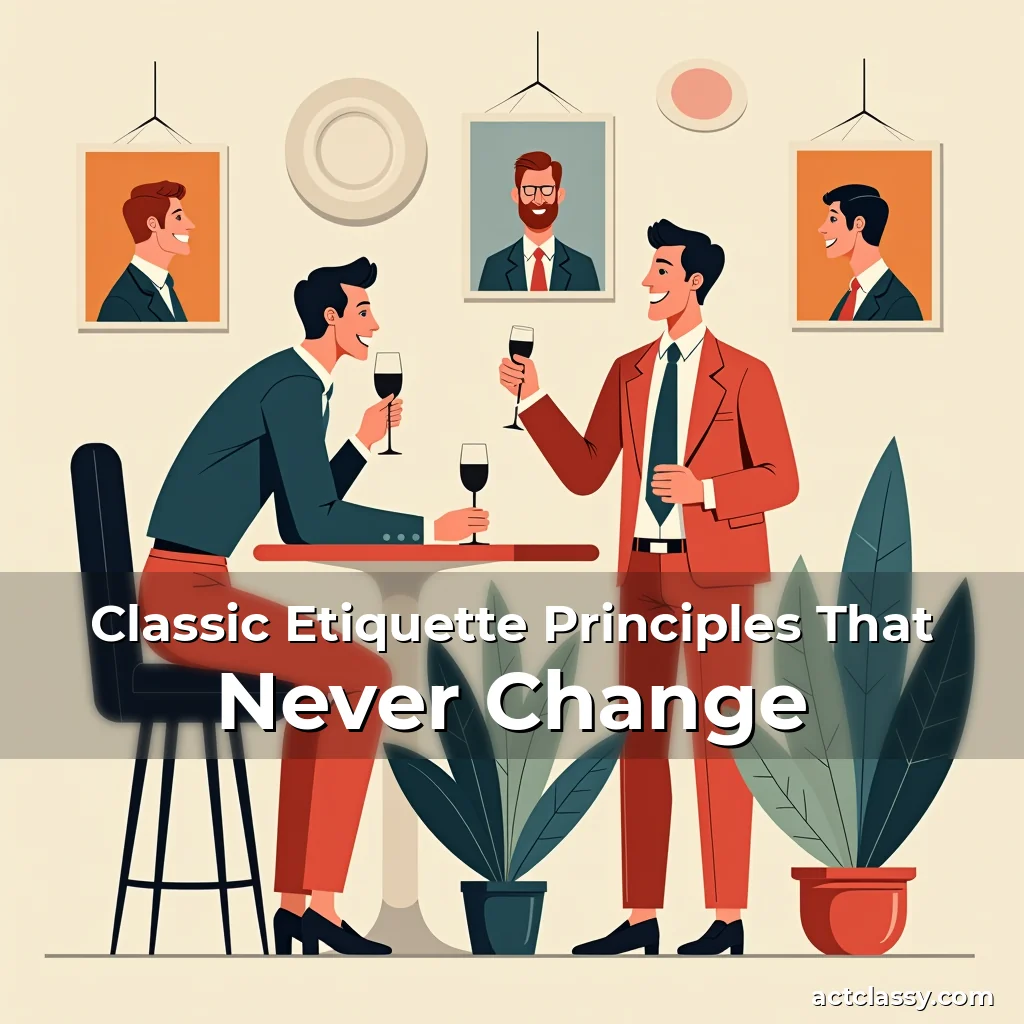
Timeless Manners: How Classic Etiquette Shapes Modern Social Interactions
In an age dominated by fast-paced technology and evolving social norms, the principles of etiquette remain a vital compass for navigating human relationships with grace and confidence.
Whether you’re dining with clients, attending a wedding, or engaging in casual conversations, mastering timeless etiquette fosters respect, builds connections, and leaves lasting positive impressions.
The Foundations of Respectful Conduct
Elegance begins not with outward displays but with inner values. At the heart of every refined interaction lies mutual respect—a principle that transcends cultures and generations.
Respect manifests through actions like actively listening when someone speaks, refraining from interrupting, and treating everyone with courtesy regardless of status or familiarity.
Why does this matter? Studies show that individuals who exhibit consistent respect earn higher levels of trust and cooperation in both personal and professional settings.
This isn’t merely about being polite; it’s about recognizing the dignity inherent in every person, which
When un
Mastery of Table Manners: A Window Into Character
Meals offer a microcosm of society, revealing layers of culture, history, and individual personality. Proper dining etiquette bridges gaps and promotes camaraderie around food.
Beyond eating correctly, table manners reflect self-control, patience, and attentiveness to others’ needs. For example, waiting until everyone has been served before starting to eat demonstrates consideration for the group dynamic.
Five essential table manners to cultivate:
- Utensils in order: Holding fork in left hand and knife in right (if applicable) follows traditional dining protocol.
- No talking with mouth full: This basic rule preserves dignity and prevents awkward silences.
- Serving with generosity: Offering the best portions to guests underscores hospitality and warmth.
- Listening intently: Engaging in conversation while enjoying the meal strengthens bonds among diners.
- Leaving politely: Excusing oneself before finishing the last bite shows appreciation for the host’s efforts.
Cultivating Digital Decorum: Etiquette Beyond Face-to-Face Interaction
As screens become central to daily life, adapting traditional etiquette to virtual realms ensures interactions remain civil and constructive.
Emails, texts, and social media require distinct approaches. Writing clearly, avoiding slang unless appropriate, and proofreading before sending are modern-day courtesies that reflect professionalism.
On platforms like LinkedIn or Instagram, sharing content respectfully means crediting sources, refraining from oversharing private information, and responding constructively to criticism.
Even in casual texting, ending messages with a friendly sign-off or expressing gratitude reinforces goodwill despite the informality of the medium.
Educating Children Through Daily Practices
Raising mannered children begins with modeling exemplary behavior. Parents and guardians serve as primary teachers of social graces through consistent demonstration.
Simple routines—from saying please and thank you to holding doors open—instill habits that define character long-term. Praising good behavior reinforces positive reinforcement naturally.
Encouraging kids to engage with diverse groups exposes them to varied traditions, broadening their perspective and fostering inclusivity from an early age.
Games involving turn-taking, sharing, and polite language make learning fun while embedding values deeply within childhood development stages.
Gifting With Intention: Expressing Appreciation Through Thoughtful Choices
A gift represents more than material value—it communicates recognition of significance in someone else’s life. Choosing wisely turns simple gestures into cherished memories.
Personalization elevates even modest presents. Adding handwritten notes or selecting items aligned with recipients’ hobbies conveys deeper understanding than generic options ever could.
Knowing when to give is equally important. Birthdays, promotions, and milestones invite generous offerings, whereas sensitive times demand discretion regarding what is appropriate to share.
Experiencing the joy of giving reminds us that true wealth lies not in possessions but in enriching relationships through shared moments of delight.
Dressing Appropriately: Balancing Style and Contextual Sensitivity
Fashion choices extend far beyond aesthetics—they signal respect for circumstances, audiences, and unspoken societal rules governing appearances.
Understanding dress codes distinguishes between suitable and inappropriate attire in formal vs informal settings. Researching event-specific guidelines prevents unintentional offenses rooted solely in ignorance.
Jewelry placement, fragrance strength, and accessory coordination further refine one’s look while remaining mindful of possible allergies or sensitivities affecting others nearby.
Ultimately, clothing should enhance presence rather than overshadow purpose, allowing authenticity to shine through carefully curated ensembles.
Handling Conflict with Poise: Transforming Disagreements Into Growth Opportunities
Disputes are inevitable yet teachable moments if approached with equanimity. Managing disagreements skillfully turns friction into opportunities for connection instead of division.
Employing techniques like active listening validates opposing viewpoints before defending one’s stance, creating safer spaces for honest expression free from defensiveness.
Focus remains on resolving issues collaboratively rather than proving superiority. Seeking win-win outcomes nurtures relationships stronger than those built purely on compromise alone.
Knowing when to step back temporarily allows emotions time to settle, ensuring resolutions stem from reason rather than reactionary impulses.
Etiquette As An Ongoing Journey: Adapting Without Losing Core Values
While some customs evolve, foundational principles endure. Continuously refining interpersonal skills keeps us connected to others while honoring tradition’s wisdom.
Staying informed about contemporary trends doesn’t mean abandoning heritage; instead, it enables harmonious coexistence between old and new ways of being together.
Engagement in communities focused on refinement—whether through books, workshops, or mentorship—fosters lifelong improvement grounded in integrity rather than trend-chasing fads.
Ultimately, embracing etiquette becomes less about rigid conformity and more about cultivating authentic humanity expressed beautifully through everyday interactions.
Conclusion
From dinner tables to digital forums, classical etiquette provides enduring guidance for living authentically amidst complexity. Its lessons empower individuals to connect meaningfully across differences while upholding dignity in all things done.
To apply today’s takeaways effectively, begin practicing small changes now—be it paying closer attention during dialogues, showing appreciation through kind deeds, or choosing outfits thoughtfully matching occasion specifics. Such incremental improvements compound dramatically over time.


As someone who has always found himself involved with online media in one form or another in my career, I have developed a passion for educating myself on the latest developments in publishing and social media and try to bring my love of the medium into my numerous projects.
You May Also Like


Social Skills Coaching and Mentoring
Social Skills Coaching and Mentoring In an increasingly interconnected world, mastering social skills is not just beneficial—it's essential. Whether you're...

Masculine Refined Behavior Principles
The Art of Refined Behavior: Cultivating Grace and Respect in Modern Etiquette In an age where digital interactions often overshadow...
Top 17 Ways to Get Your Neighbors to Move Away – Lousy Neighbors
It’s a well-known and undisputed fact that The List is the most powerful form of humorous writing on the Internet....

Dining Etiquette: When to Start Eating
The Art of Dining: Mastering Table Manners in Modern Society In today's fast-paced world, dining etiquette remains an essential skill...
Related Posts

Industry-Specific Networking Skills

Fine Dining Manners: Dealing with Mistakes