

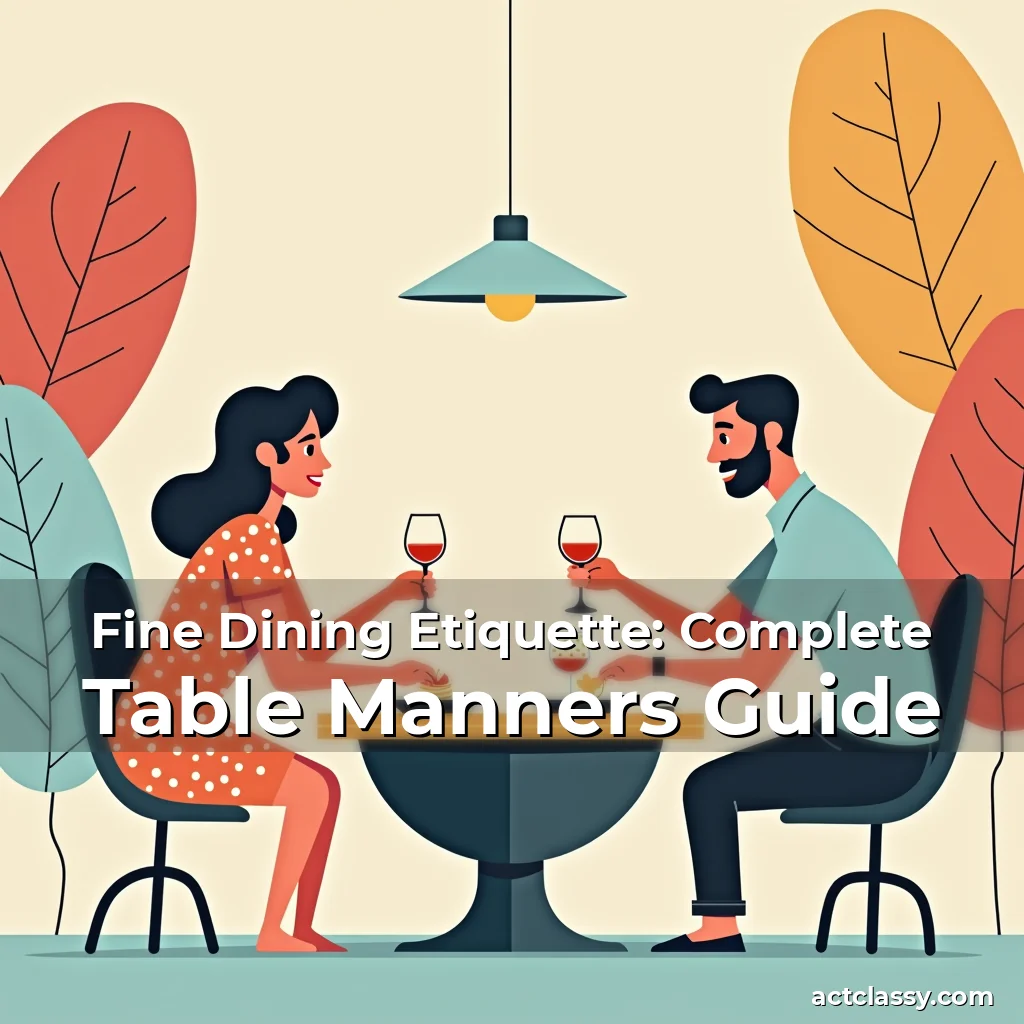
Fine Dining Etiquette: Mastering the Art of Table Manners
In today’s world of refined dining experiences, understanding fine dining etiquette is essential for making lasting impressions at upscale restaurants. Whether you’re attending a formal dinner party or enjoying an elegant meal at a Michelin-starred establishment, knowing table manners can elevate your experience from ordinary to extraordinary.
Mastery of dining etiquette goes beyond simple rules; it encompasses the subtle nuances that define sophisticated social interactions over meals. From how you hold your utensils to when to engage in conversation, every action speaks volumes about your awareness of proper conduct in high-end culinary settings.
The Fundamentals of Fine Dining Etiquette
A solid foundation in basic dining etiquette sets the stage for successful interactions during any formal meal. The first step involves mastering posture, which significantly impacts both comfort and perception. Sit upright with good posture, keeping your back straight but relaxed, allowing natural movement without slouching.
Your seating position also matters greatly. In most Western-style dining arrangements, guests are seated according to their status or preference, often facing the center of the room rather than towards walls. This positioning enhances visibility of the entire dining space while promoting engagement with other diners.
Proper use of cutlery is another fundamental aspect. Begin by using the outermost utensil and work inward as courses progress through the meal. Maintain control over each piece, ensuring smooth transitions between different types of dishes served throughout the evening.
- Posture: Maintaining an upright yet comfortable position demonstrates respect for the occasion and ensures optimal enjoyment of the meal.
- Seating: Choosing an appropriate seat based on cultural norms and restaurant layout contributes to a seamless dining experience.
- Cutlery usage: Understanding correct order of utensil utilization prevents confusion and maintains professionalism during multi-course meals.
Dress Code Guidelines for Formal Dining
Selecting the right attire for a fine dining experience plays a crucial role in conveying respect for the venue and fellow patrons. Men typically opt for dark-colored suits paired with dress shoes, while women choose elegant gowns or cocktail dresses depending on the formality level.
Accessories should be chosen carefully to complement your outfit without overpowering it. For men, cufflinks and pocket squares add sophistication, whereas ladies might prefer delicate jewelry pieces that accentuate their ensemble rather than distract from it.
Footwear remains equally important in maintaining overall presentation standards. Closed-toe shoes with non-marking soles protect against accidental spills or stains while preserving the pristine condition of floor coverings inside high-end establishments.
Color coordination helps create visually appealing combinations that reflect attention to detail. Opt for muted tones such as navy blue, charcoal gray, or deep burgundy instead of overly bright colors that could clash with interior décor elements present within elite venues.
Navigating Multi-Course Meals with Confidence
Elegant dining experiences often involve several courses presented sequentially, requiring careful navigation through each item offered by the chef. Familiarize yourself with common course structures before arriving at any formal event, enabling smoother transitions between plates.
Start with lighter fare such as appetizers or amuse-bouche followed by progressively heavier selections including soups, salads, main entrees, and finally desserts. Recognizing these progression patterns allows anticipation of upcoming items, reducing uncertainty during service times.
When transitioning between courses, always wait until others have been served before requesting additional items. Observing cues from servers regarding readiness signals helps maintain synchronization among all attendees participating in shared tasting sessions.
- Course structure recognition: Knowing typical sequence orders aids efficient consumption without disrupting service flow.
- Pacing management: Controlling eating speed ensures adequate time for appreciation of flavors across various textures and temperatures.
- Synchronization techniques: Aligning oneself with group rhythms promotes harmonious dining environments conducive to meaningful conversations.
Utensil Mastery: Proper Usage Techniques
Becoming proficient in handling different kinds of silverware equips individuals to navigate complex dining scenarios confidently. Standard configurations usually feature three primary implements arranged left to right based on function and usage frequency.
The fork positioned furthest left serves primarily for cutting food, especially when dealing with tougher ingredients like steak or roasted meats. Moving clockwise, spoons facilitate consumption of liquid-based items while knives assist in portioning larger cuts efficiently.
To avoid confusion arising from misplacement issues, place used utensils neatly onto designated napkins after finishing respective courses. This practice keeps surfaces clean and orderly, preventing potential accidents caused by cluttered tables.
Practice gripping methods designed specifically for each type of instrument. Hold forks securely against the palm side of your hand with fingers wrapped around tines, ensuring stability during transfers between mouth and plate.
Knives require precision grip styles where thumb rests atop blade near hilt area while index finger applies pressure along opposite edge for controlled slicing motions. Spoons demand gentle swirling actions aimed at coaxing desired portions upward without excessive splashing noise.
Drinking Etiquette: Navigating Wine & Spirits Gracefully
Understanding appropriate behavior surrounding alcoholic beverages adds depth to any refined dining encounter. Always hold glasses by stem or base rather than rimming them directly, preserving temperature integrity and minimizing risk of fingerprints smudging crystal surfaces.
Wine pairing knowledge proves invaluable when selecting accompaniments aligned with menu offerings. Consult knowledgeable staff members who can guide choices based on flavor profiles matching selected dishes effectively.
When pouring wine into glassware, fill approximately two-thirds full initially to allow sufficient breathing capacity for optimal aroma development. Avoid overfilling which may lead to spillage incidents particularly noticeable under dim lighting conditions found in upscale restaurants.
Never take direct sips from communal bottles unless explicitly invited by hostess figures overseeing tastings. Instead rely upon individual servings provided discreetly by attendants trained in maintaining hygiene protocols strictly enforced throughout premier establishments.
For spirits requiring ice cubes, request appropriately sized vessels pre-filled with crushed ice prior to adding liquor contents manually. This approach guarantees consistent dilution levels suitable for personal taste preferences without compromising quality assurance measures established by beverage specialists.
Conversation Dynamics During Shared Meals
Maintaining balanced dialogue throughout extended dining periods requires strategic communication approaches tailored toward creating positive atmospheres conducive to enjoyable exchanges. Engage participants selectively by rotating topics among diverse interests represented within assembled groups.
Voice modulation becomes critical factor influencing auditory clarity amidst ambient background sounds characteristic of well-appointed eateries. Speak clearly enough for nearby listeners to comprehend messages conveyed effortlessly without straining vocal cords unnecessarily.
Respectful listening practices enhance mutual understanding between conversational partners engaged in spirited discussions. Give full attention whenever someone begins speaking, acknowledging contributions actively through verbal affirmations or nodding gestures indicating comprehension.
Appropriate laughter timing contributes significantly toward fostering lighthearted camaraderie without overshadowing serious subjects occasionally brought up during lengthy repasts featuring multiple courses consumed gradually over hours-long durations.
Keep volume levels moderate relative to prevailing environmental acoustics prevailing within chosen dining locales. Excessive shouting risks disturbing neighboring tables potentially resulting in awkward interruptions interrupting otherwise pleasant gatherings centered around gastronomic delights.
Handling Dishes and Utensils with Care
Treating tableware respectfully reflects consideration for those responsible for cleaning operations following departure from any establishment serving gourmet cuisine. Handle porcelain plates gently avoiding abrupt movements likely causing chipping damages detrimental to future usability prospects.
Use coasters beneath cups containing hot liquids to prevent condensation buildup leading eventually to water rings marring polished wood finishes commonly featured in luxury restaurant interiors. Such precautions preserve aesthetic appeal maintained meticulously by professional maintenance crews employed exclusively at top-tier venues.
Dispose of used serviettes properly placing them beside empty plates rather than crumpling indiscriminately onto tabletops. Doing so facilitates swift removal processes executed seamlessly behind scenes ensuring uninterrupted service continuity experienced consistently by clientele frequenting exclusive dining spots regularly.
Refill water glasses promptly before they become completely dry since prolonged exposure results inevitably in mineral deposits accumulating permanently altering original appearances viewed initially upon arrival at any given location frequented frequently due to its exceptional reputation earned through years dedicated solely towards excellence in hospitality services rendered impeccably at all times regardless of circumstances encountered daily.
Managing Unexpected Circumstances Graciously
Unexpected situations arise even at most meticulously planned events necessitating composed responses demonstrating maturity characteristics highly valued within circles appreciating true elegance embodied fully through practiced poise exhibited naturally without effort whatsoever.
If something accidentally drops onto clothing fabric, remain calm and address issue swiftly using available resources such as napkin tissues strategically placed conveniently close proximity facilitating quick resolution without drawing undue attention away from ongoing festivities transpiring simultaneously elsewhere around vicinity.
Should spilling occur involving beverages poured improperly due to insufficient familiarity concerning correct procedures outlined earlier within preceding sections devoted entirely towards educating readers thoroughly regarding all necessary information required comprehensively covering broad spectrum spanning entire range possible challenges faced universally wherever fine dining opportunities presented themselves irrespective geographical locations visited worldwide.
Always show gratitude towards anyone assisting during mishaps whether employees offering immediate aid solutions or fellow guests extending kindness unexpectedly during trying moments proving once again why cultivating strong interpersonal relationships remains integral component contributing substantially toward overall satisfaction derived from memorable dining encounters cherished long afterwards.
Conclusion
Mastering fine dining etiquette opens doors to countless unforgettable experiences at prestigious restaurants renowned globally for their commitment to delivering superior quality both culinarily and socially. By adhering diligently to principles discussed above consistently throughout various occasions participated in, individuals cultivate personas associated closely with refinement synonymous forevermore with esteemed company comprising discerning palates seeking nothing less than perfection achieved only through rigorous adherence strictest standards upheld unfailingly everywhere possible.
Remember, the goal isn’t merely about following rules rigidly but embracing values underlying genuine courtesy expressed authentically through mindful behaviors exhibited spontaneously reflecting inner grace cultivated patiently overtime through conscious efforts directed purposefully towards becoming better versions continuously striving ever higher benchmarks set deliberately by those truly passionate about elevating everyday life experiences transformed magically into extraordinary memories worth treasuring eternally.
“`


As someone who has always found himself involved with online media in one form or another in my career, I have developed a passion for educating myself on the latest developments in publishing and social media and try to bring my love of the medium into my numerous projects.
You May Also Like


Etiquette Mistakes That Damage Your Reputation
The Hidden Cost of Ignoring Table Manners Dining etiquette might seem outdated in an age of fast food and casual...

Gen Z's Lack of Professionalism: The Rise of Etiquette Coaches
As the world slowly returns to the office, a growing number of employers are finding themselves at odds with a...

Personal Grooming for Video Meetings
Elevating Professional Presence Through Personal Grooming In today’s hyper-connected world, personal grooming transcends mere vanity—it becomes a cornerstone of professional...

The Art of Graciousness: Mastering Cocktail Party Etiquette in Modern Social Circles
The Art of Graciousness: Mastering Cocktail Party Etiquette in Modern Social Circles In an age where social gatherings often blur...
Related Posts
Advanced Dress Codes Techniques and Methods


RoundTable Thursday : Punctuation, Octomom, and the Sniffles