


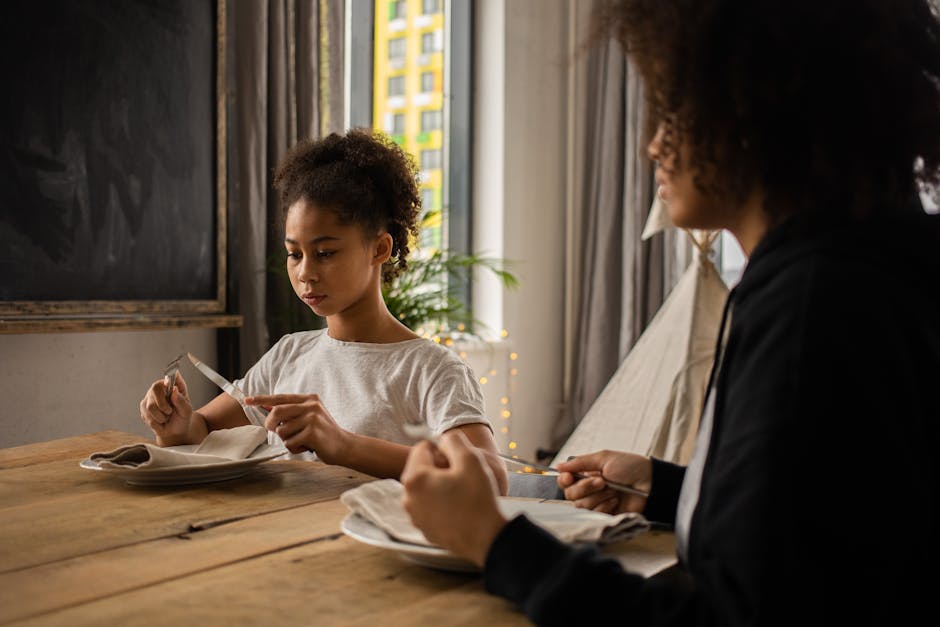
The Artful Practice of Manners: Cultivating Respect Through Everyday Etiquette
In an age where digital communication often overshadows face-to-face interactions, the practice of good manners remains a vital cornerstone of human connection. More than mere social conventions, true etiquette reflects our ability to show respect through conscious actions that consider others’ comfort and dignity.
Manners are not simply rules to follow but expressions of empathy woven into daily life. Whether dining with colleagues, navigating public spaces, or engaging in professional settings, thoughtful behavior can transform ordinary moments into opportunities for meaningful connection.
The Foundations of Modern Etiquette
At its core, modern etiquette is built upon three fundamental pillars: awareness, consideration, and adaptability. Awareness requires us to notice our surroundings and the people within them, while consideration demands we respond thoughtfully to those needs. Adaptability ensures these principles remain relevant across evolving cultural landscapes.
These elements work synergistically to create environments where everyone feels valued. A simple gesture like holding open a door speaks volumes when paired with eye contact and a warm smile. Such micro-interactions form the bedrock of positive social experiences.
Consideration extends beyond physical gestures to include mindful listening during conversations. When someone pauses before speaking after another person has finished talking, they demonstrate both attentiveness and respect for the speaker’s right to express themselves fully.
- Awareness: Recognizing how your actions affect others through nonverbal cues like body language and tone of voice
- Consideration: Anticipating potential discomforts and proactively addressing them before they become issues
- Adaptability: Understanding that what constitutes appropriate behavior may vary based on context, culture, and individual preferences
Reclaiming Civility in Digital Spaces
The shift toward digital communication presents new challenges for maintaining courteous interactions. While emails, texts, and video calls have revolutionized connectivity, they also require special attention to virtual etiquette norms.
One key aspect involves respecting boundaries around response times. Just as we wouldn’t expect immediate replies in face-to-face situations, understanding reasonable expectations for digital correspondence helps maintain healthy relationships without creating unnecessary pressure.
Proper use of punctuation and formatting in written messages significantly impacts perceived politeness. Em dashes (-) and ellipses (…) help convey tone, while clear subject lines ensure recipients understand message intent before opening them.
Email sign-offs provide excellent opportunities to reinforce positive impressions. Options range from traditional closings like “Best regards,” to more casual alternatives depending on relationship dynamics.
Digital Communication Statistics
Recent studies indicate that 86% of professionals believe poor email habits negatively impact workplace relationships. This highlights the importance of refining digital etiquette skills alongside traditional ones.
Further analysis shows that well-crafted messages receive responses 34% faster than poorly formatted counterparts, demonstrating how refined communication techniques enhance productivity and collaboration.
Elevating Table Manners in Contemporary Settings
Dining etiquette continues to evolve while retaining essential principles. From formal dinners at white-tablecloth restaurants to casual brunch meetings, understanding table customs enhances every meal experience.
Basic table manners include keeping hands visible above the table edge, using utensils correctly, and avoiding excessive noise during meals. These small courtesies contribute to overall enjoyment for all participants.
When dining with others, being attentive to conversation flow is crucial. Engaging in discussions rather than focusing solely on food demonstrates genuine interest in companions and fosters deeper connections.
Special occasions call for additional considerations, such as knowing which fork to use first in multi-course meals or properly handling wine glasses during service.
Navigating Social Interactions Gracefully
Social grace lies in mastering various interpersonal scenarios, from networking events to family gatherings. Developing situational awareness allows individuals to adjust their approach according to each setting’s unique requirements.
Casual encounters benefit greatly from active engagement strategies. Maintaining eye contact, offering sincere smiles, and remembering names go far in making others feel appreciated and remembered.
Formal introductions demand particular care, especially when connecting two people who haven’t met before. Using full names initially establishes proper protocol until familiarity develops naturally over time.
Knowing when to step back from a conversation provides valuable space for others to participate. This subtle skill prevents dominating discussions while still showing enthusiasm for shared interests.
Bridging Cultural Differences with Sensitivity
Globalization necessitates greater intercultural competence in everyday interactions. Being aware of differing traditions regarding personal space, greetings, and gift-giving prevents unintentional offenses.
Personal space requirements vary widely among cultures, ranging from close proximity in some Mediterranean countries to larger distances preferred by many Northern Europeans. Observing these nuances avoids creating uncomfortable situations for anyone involved.
Greeting practices differ dramatically worldwide. In Japan, bowing conveys respect levels based on angle depth, whereas handshakes dominate Western business contexts. Understanding these variations enables more effective cross-cultural communication.
Gift-giving customs require careful research since certain items might carry unintended meanings. For instance, giving clocks in China implies bad luck due to phonetic similarities with “death.”
Promoting Positive Behavior in Public Spaces
Public conduct standards apply universally yet manifest differently based on location type. Parks, shopping malls, and transportation hubs each have distinct behavioral expectations worth understanding.
Respecting queue systems maintains order and fairness in communal areas. Yielding appropriately when entering elevators or boarding vehicles shows basic courtesy that benefits everyone involved.
Volume control becomes particularly important in shared spaces. Keeping phone conversations private preserves ambient peace, allowing others to enjoy their surroundings undisturbed.
Litter prevention contributes to cleaner communities while demonstrating responsibility towards shared environments. Simple acts like using designated bins make significant differences collectively.
Professional Etiquette Essentials
In职场 settings, adherence to office protocols creates productive work atmospheres. Dress codes, meeting procedures, and hierarchical respect form the framework of professional relationships.
Timeliness matters significantly in corporate environments. Arriving promptly for appointments and completing tasks within deadlines showcases reliability and commitment to responsibilities.
Office conversations should balance professionalism with approachability. Finding the right tone helps build rapport without compromising workplace decorum.
Feedback delivery requires sensitivity regardless of position hierarchy. Constructive criticism framed positively encourages growth while preserving self-esteem.
Refining Personal Habits for Lasting Impression
Consistent refinement of mannerly behaviors creates lasting positive impressions. Small improvements accumulate into distinctive characteristics that set individuals apart.
Habits like saying thank you genuinely, apologizing sincerely when mistakes occur, and following up on commitments establish trustworthiness and dependability.
Body language plays a critical role in conveying confidence and openness. Standing tall, making natural eye contact, and displaying relaxed posture project assurance without appearing arrogant.
Vocal inflection affects perception significantly. Speaking clearly at moderate volume ensures comprehension while projecting warmth through gentle tones.
Conclusion
The cultivation of good manners is an ongoing journey requiring continuous learning and application. By integrating thoughtful practices into daily routines, we enrich our lives and uplift those around us.
Remember that true elegance stems not from perfection but from consistent effort to treat others with kindness and respect in every interaction. Let this guide serve as a foundation for building stronger, more meaningful connections through practiced courtesy.


As someone who has always found himself involved with online media in one form or another in my career, I have developed a passion for educating myself on the latest developments in publishing and social media and try to bring my love of the medium into my numerous projects.
You May Also Like


Professional Behavior During Company Events
The Art of Professional Conduct in Modern Workplace Settings In today's dynamic corporate environment, professional behavior has evolved beyond mere...

Manners That Show Respect and Consideration
Manners That Show Respect and Consideration In an age where digital communication often overshadows face-to-face interaction, the importance of manners...

Modern Travel Etiquette Rules
Navigating Modern Etiquette: A Comprehensive Manual for Cultively Conscious Living In an era defined by rapid technological advancement, globalization, and...

Fashion Trends for Mature Women
Elevating Elegance: Timeless Fashion Trends for the Modern Sophisticate In an era where fashion often leans toward youth-centric aesthetics, mature...
Related Posts

Social Etiquette in the Digital Age

Fashion Trends 2025: What's Coming This Year
