


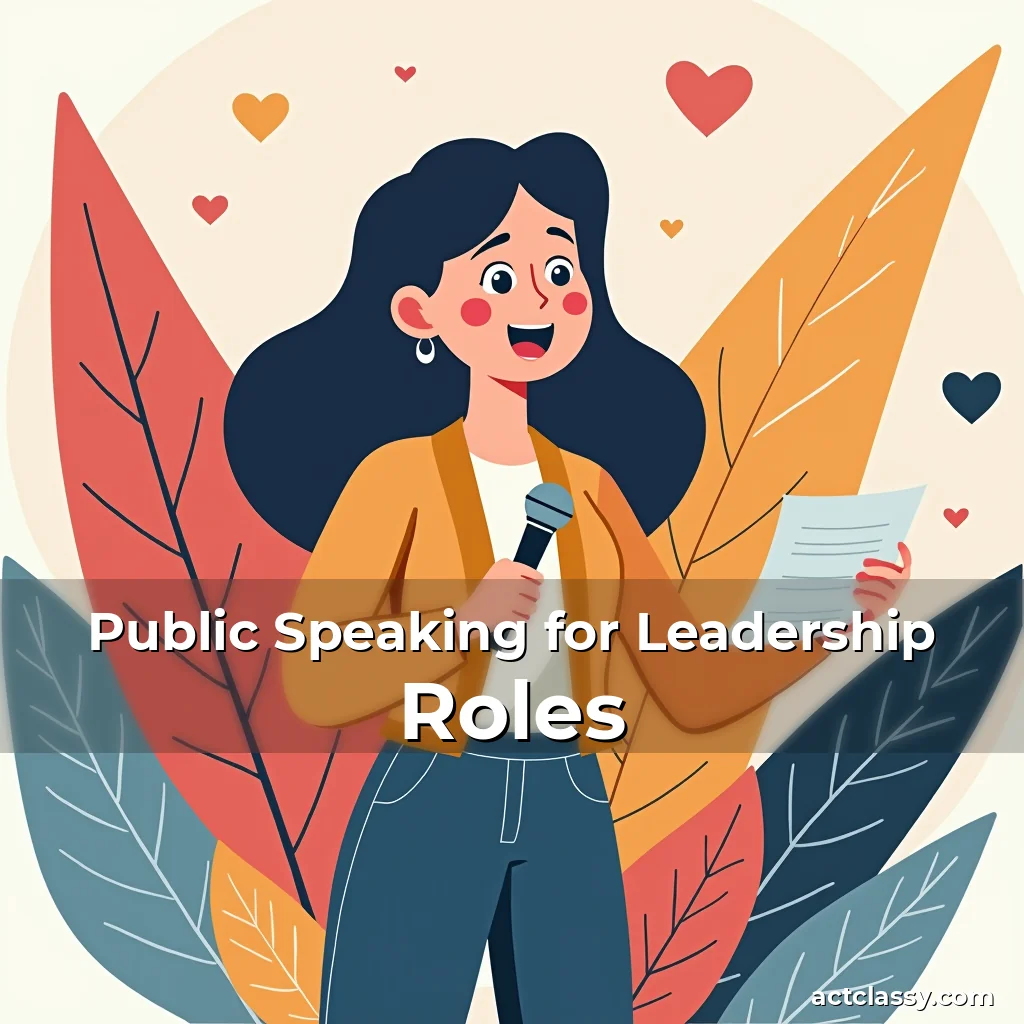
The Art of Commanding an Audience: Mastering Public Speaking in Modern Leadership
In today’s fast-paced professional world, public speaking is not merely a skill but a leadership imperative. From boardrooms to virtual conferences, the ability to captivate an audience can define your influence and effectiveness as a leader.
Mastering public speaking requires a blend of preparation, presence, and personal connection that transcends mere presentation techniques. It involves understanding human psychology, mastering nonverbal cues, and adapting to diverse audiences effectively.
Cultivating Confidence Through Preparation
Confidence in public speaking begins long before stepping onto the stage. Thorough preparation transforms anxiety into assurance by creating a sense of control over the material.
A well-researched speech demonstrates respect for both the subject matter and the audience. This foundation allows speakers to engage authentically rather than reciting memorized lines from cue cards.
Practicing delivery methods through recorded sessions helps identify areas needing improvement while building familiarity with body language and vocal modulation.
- Know Your Material: Mastery of content reduces reliance on notes, allowing natural interaction with listeners.
- Rehearse Extensively: Multiple practice runs build muscle memory for gestures and pacing.
Harnessing Body Language as a Communication Tool
Your physical presence significantly impacts how messages are received. Purposeful movement and controlled posture convey authority without appearing rigid or distant.
Eyes contact establishes trust and engagement, but excessive staring may create discomfort. Strategic eye movements across the room maintain inclusivity while demonstrating confidence.
Gestures should enhance verbal communication, not distract from it. Natural hand motions help emphasize key points when used intentionally during pivotal moments.
The Science Behind Nonverbal Cues
Research shows that up to 93% of communication effectiveness comes from nonverbal elements according to Albert Mehrabian’s studies. This includes tone, facial expressions, and body postures.
Maintaining open stances with arms uncrossed conveys approachability. Mirroring audience members’ body language builds rapport and fosters connection at subconscious levels.
Vocal variety prevents monotony and keeps attention focused. Modulating pitch, pace, and volume creates dynamic storytelling experiences that resonate emotionally.
Building Authentic Connection With Diverse Audiences
Adapting speeches to different demographics requires cultural sensitivity and emotional intelligence. Understanding audience composition enables tailored approaches that resonate genuinely.
Using relatable anecdotes and examples bridges generational gaps. Shared experiences create common ground regardless of background differences among attendees.
Active listening during Q&A sessions shows respect for participants while gathering real-time feedback that might refine subsequent presentations.
Structuring Impactful Presentations
An effective talk follows a clear narrative arc similar to compelling stories. Beginning with strong hooks captures immediate attention before delving into substance.
Organizing content logically ensures smooth transitions between ideas. Using signposts like “Now let’s explore…” guides listeners through complex topics naturally.
Concluding powerfully reinforces core messages. Summarizing key takeaways leaves lasting impressions that align with intended outcomes.
Managing Nervousness and Stage Fears
Natural nervous energy can be channeled positively through structured breathing exercises before taking the podium. Controlled inhales and exhales regulate adrenaline responses effectively.
Focusing on message value rather than self-consciousness shifts mindset toward service-oriented delivery instead of performance-based anxiety.
Prioritizing preparation mitigates fear by ensuring competence in subject matters. Knowing content inside out instills quiet confidence beneath surface-level jitters.
Engaging Listeners Through Storytelling Techniques
Stories activate brain regions associated with empathy and memory retention better than factual lists alone. Incorporating narratives makes abstract concepts tangible and memorable.
Brief, impactful tales illustrate principles in action. Real-life scenarios demonstrate applications without requiring technical expertise from audience members.
Varied story types – historical accounts, fictional parables, personal journeys – cater to different learning preferences within mixed groups.
Leveraging Technology Enhancements
Digital tools expand possibilities beyond traditional platforms. Virtual reality simulations allow practicing in realistic environments before actual events.
Interactive polls and live Q&A features foster participation even in remote settings. These technologies transform passive viewers into active contributors.
Data visualization software presents complex information clearly. Graphs and charts simplify intricate datasets making them accessible to broader audiences.
Continuous Improvement Through Feedback Loops
Soliciting constructive criticism after each engagement identifies growth opportunities systematically. Specific feedback about particular aspects facilitates targeted development efforts.
Recording performances provides objective analysis of nonverbal behaviors and vocal patterns that might go unnoticed during live appearances.
Joining Toastmasters International offers structured environments for honing skills under supportive guidance from experienced mentors.
Conclusion
Effective public speaking remains essential for modern leaders seeking to inspire, inform, and connect meaningfully with their audiences. The right combination of preparation, presence, and personal connection forms the bedrock of impactful communication.
To truly excel, commit yourself daily to refining these abilities through deliberate practice, mindful observation, and continuous learning experiences designed specifically for enhancing your rhetorical prowess.


As someone who has always found himself involved with online media in one form or another in my career, I have developed a passion for educating myself on the latest developments in publishing and social media and try to bring my love of the medium into my numerous projects.
You May Also Like


Dipping Your Wick: Yankee Candle’s New Line of Candles for Men
With Father’s Day and graduation season right around the corner, chances are you’re getting a little nervous about gift shopping...


Holiday Hosting Etiquette Guidelines
The Art of Perfect Holiday Hosting: Essential Etiquette for Creating Memorable Celebrations In an age where social gatherings often revolve...

Fashion Trends for Mature Women
Elevating Elegance: Timeless Fashion Trends for the Modern Sophisticate In an era where fashion often leans toward youth-centric aesthetics, mature...
Event Planning Career Path and Skills
The Art of Event Planning: Crafting Unforgettable Experiences In today’s fast-paced world, events serve as pivotal moments that create lasting...
Related Posts

Fundamental Principles of Event Planning

Refined Behavior in International Business

