


The Elegant Balance: Understanding Modern Dress Codes Across Social & Professional Contexts
In today’s ever-evolving world of social interaction and professional life, understanding dress code expectations is essential for projecting confidence and competence. From boardroom meetings to evening galas, your attire communicates far more than mere aesthetics—it reveals respect for occasion, cultural norms, and individual professionalism.
Mastery over modern dress codes goes beyond simply choosing between formal wear and casual clothing; it involves discerning subtle nuances that reflect situational appropriateness. This guide delves into the intricacies of various dressing protocols, empowering you to navigate any setting with grace and assurance.
Deciphering the Foundations of Formal Dress Codes
A fundamental grasp of classic formal attire establishes the baseline for appropriate dress across numerous settings. Black-tie events demand tuxedos for men, while women are expected to wear floor-length gowns paired with elegant accessories.
The sartorial language of formality extends beyond the basic elements—you must also consider fabric choices, color palettes, and grooming standards. A well-tailored suit can elevate an ensemble from merely acceptable to exceptionally polished.
- Fabric Selection: Opt for wool or silk blends rather than cheaper synthetic alternatives that may wrinkle easily and appear less refined.
- Color Coordination: Stick to conservative hues such as navy blue, charcoal gray, or midnight black for timeless appeal.
Navigating Semi-formal vs. Business Formal Settings
Semi-formal environments represent a harmonious blend between relaxed comfort and structured elegance. Men might choose single-breasted suits in lighter fabrics during spring months, while women could opt for knee-length skirts with tailored blazers instead of full dresses.
This category allows greater flexibility without compromising sophistication—a business luncheon requires different considerations compared to a holiday party reception at work. Being attuned to these differences ensures continued professional credibility.
Dressing Protocol for Executive Leadership Roles
High-level executives often face stricter sartorial demands due to their prominent positions within organizations. Industry-specific guidelines may mandate particular uniform components depending upon sectors ranging from finance to entertainment.
According to recent surveys conducted by fashion consultants, over 68% of corporate leaders believe maintaining consistency through uniforms enhances brand image significantly among clients and investors alike.
Elevating Professional Presence Through Business Casual Attire
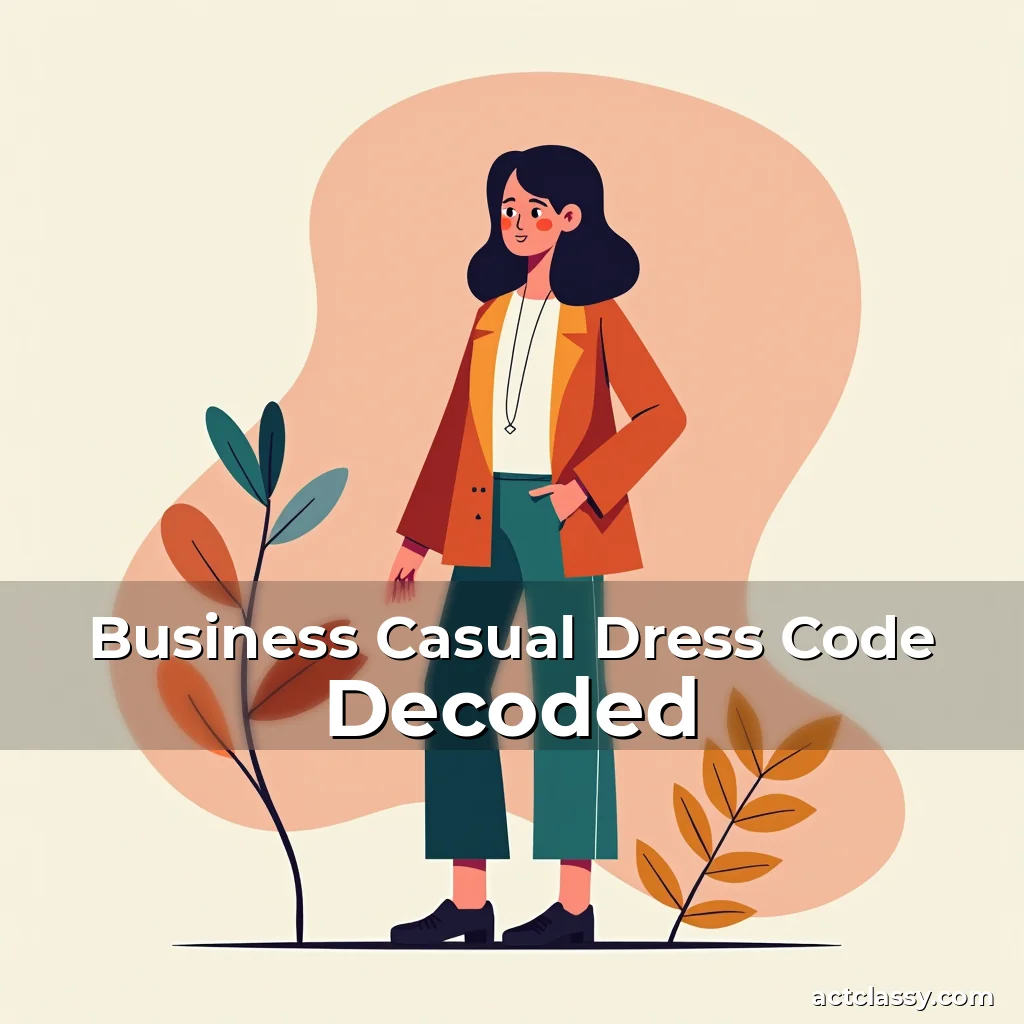
As workplaces increasingly embrace flexible policies, business casual has become synonymous with contemporary professionalism. Think crisp cotton shirts tucked into slim-fit slacks alongside loafers featuring smart soles rather than sneakers.
This style encourages creative expression while preserving workplace decorum—experimentation shouldn’t undermine core principles governing corporate attire decisions every day. It’s all about striking the right balance.
Understanding Cultural Nuances in Dress Standards
Cultural sensitivity remains crucial when adhering to global dress codes. What constitutes appropriate office wear in Western societies might differ substantially elsewhere around the globe. Researching local customs before traveling proves invaluable.
In some regions, modesty plays an even larger role regarding apparel restrictions, particularly concerning sleeve lengths and hemline measurements relative to what would be deemed standard locally.
Smart Fashion Choices for Networking Events
Selecting suitable outfits for networking engagements requires careful consideration based primarily on event types ranging from charity galas down through casual meet-ups hosted at cafes or restaurants. Always prioritize clarity above trendiness here.
Optimize visibility by avoiding excessively bright colors which might draw unwanted attention away from meaningful conversations you’re trying to cultivate. Instead go with neutral tones emphasizing approachability characteristics highly prized in business interactions.
Adapting Your Style for Seasonal Variations
Taking seasonal fluctuations into account helps maintain visual coherence irrespective of weather patterns affecting daily routines. Lighter fabrics prevail during warmer climates where heavier materials could create discomfort issues throughout longer working hours.
Balancing practicality against style consciousness becomes key task requiring thoughtful curation across seasons—don’t forget how layering techniques transform simple garments into stylish statements adaptable year-round.
Grooming Details That Matter Most
Equally significant as selecting correct attire is maintaining impeccable personal hygiene alongside thorough preparation prior attending special functions regardless whether they occur professionally or socially.
Pay close attention not only physical cleanliness aspects but also ensuring hair appears neatly styled according to desired appearances matching selected outfit styles accurately expressing intended messages effectively conveyed visually.
Redefining Personal Branding Through Strategic Outfit Planning
Thoughtfully designed wardrobes serve dual purposes acting simultaneously both as functional necessities fulfilling utilitarian needs plus showcasing distinctive personality traits clearly identifiable amongst peers colleagues competitors alike.
By strategically aligning outer appearance closely reflecting inner values beliefs aspirations people naturally gravitate toward individuals who radiate genuine authenticity exuding self-assurance magnetism attracting positive connections organically formed overtime through consistent efforts invested daily carefully curated expressions.
Final Thoughts on Contemporary Clothing Norms
Awareness surrounding current developments continuously reshaping traditional interpretations regarding acceptable modes dress behavior offers tremendous opportunities improving overall quality interactions experienced regularly throughout careers personal lives.
Remaining proactive embracing evolution occurring rapidly within fashion industries equips persons better equipped navigating complex challenges present themselves confidently wherever they find themselves situated geographically temporally regardless circumstances faced personally collectively universally.


As someone who has always found himself involved with online media in one form or another in my career, I have developed a passion for educating myself on the latest developments in publishing and social media and try to bring my love of the medium into my numerous projects.
You May Also Like

Personal Grooming for Teenagers
The Art of Personal Grooming: Cultivating Confidence Through Refined Habits In an era where first impressions can shape opportunities, personal...

Professional Behavior During Company Events
The Art of Professional Conduct in Modern Workplace Settings In today's dynamic corporate environment, professional behavior has evolved beyond mere...
Business Etiquette for International Meetings
The Art of Business Etiquette in Global Professional Settings In today's interconnected business world, mastering business etiquette is essential for...


The Top 17 Secret Spoilers from The Amazing Spider-Man!
Being a writer for a website ON THE INTERNET OF ALL PLACES, you usually find yourself entitled to a certain...
Related Posts

International Dining Etiquette by Culture

Luxury Lifestyle Travel Destinations
