

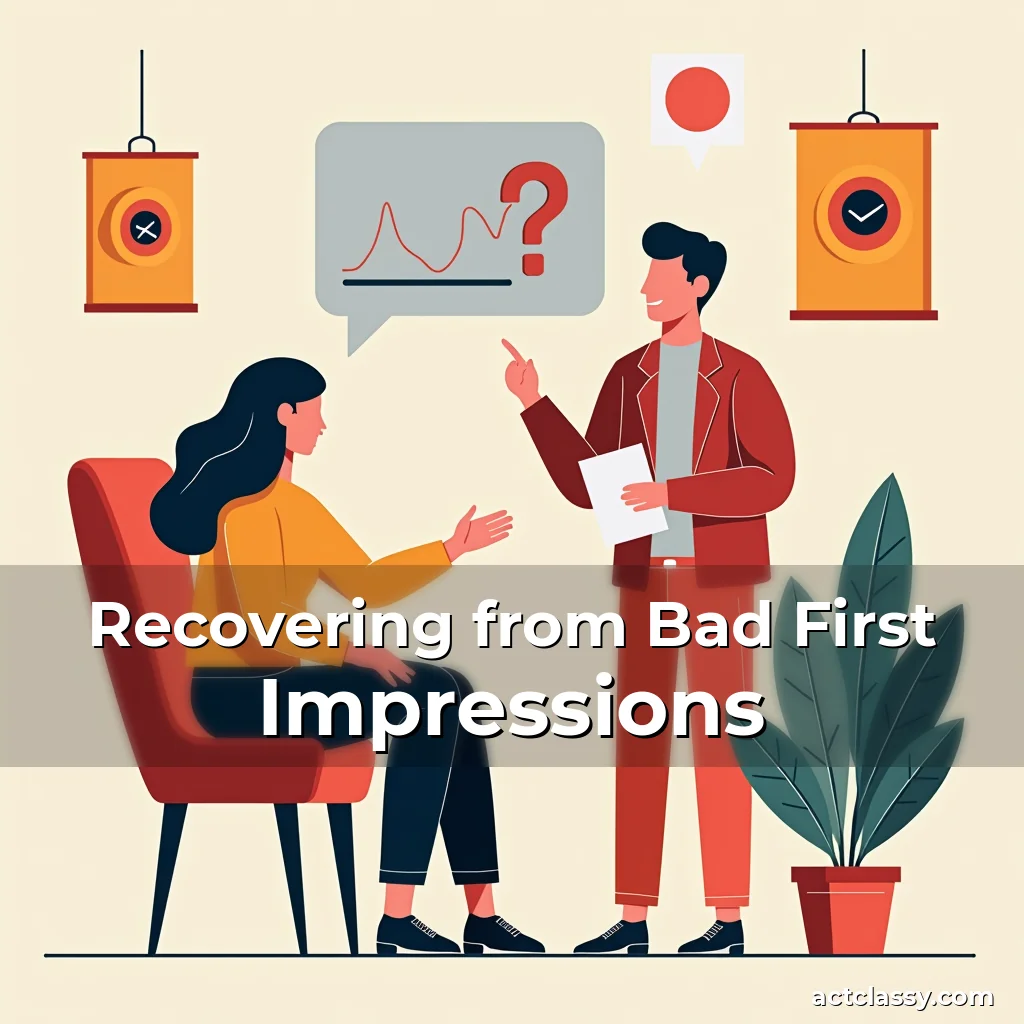
The Art of Rescuing a Misfired First Impression
In an age where initial encounters can determine professional opportunities and personal connections, recognizing the power of first impressions is crucial. A single misstep in appearance, tone, or behavior can derail even the most prepared individual.
However, there’s hope beyond that critical moment when things go awry. Understanding how to recover gracefully can transform a potentially damaging situation into a demonstration of poise and self-awareness.
Recognizing When Things Have Gone Awry
A failed first impression often manifests subtly at first. You might notice hesitant body language from your counterpart or a slight awkward pause during conversation. These are telltale signs that something isn’t aligning as intended.
Closer observation will reveal other indicators – perhaps your own nervous habits becoming more pronounced or receiving blank stares when you speak. Acknowledging these red flags early allows proactive damage control.
- Body Language Cues: Crossed arms, lack of eye contact, or slumped posture often signal discomfort or disinterest.
- Verbal Indicators: Frequent pauses, filler words like “um,” or abrupt speech patterns can expose anxiety.
Be particularly attuned to others’ micro-expressions which may give away their true feelings before they say anything overtly negative.
Your own physical reactions matter too; tension in your jaw, flushed cheeks, or fidgeting hands betray inner turmoil that could undermine your efforts to appear composed.
The Science Behind Lasting Impressions
Psychological research reveals that our brains form opinions within milliseconds of meeting someone new. This rapid assessment is largely based on visual cues rather than substantive interaction.
Interestingly, studies show we make judgments about trustworthiness in less than half a second. This primal instinct suggests why so much emphasis is placed on dress code and presentation guidelines across cultures.
Sociologists have identified three primary factors influencing immediate assessments: physical appearance, vocal characteristics, and nonverbal communication. Together, these create what experts call the ‘perception triangle.’
Understanding these components helps explain why certain attire choices succeed while others falter in making positive first impressions.
Bridging the Gap Through Conversation Tactics
Vocal modulation becomes essential after a rocky start. Varying pitch, pace, and volume can demonstrate confidence without coming off as arrogant. Pausing strategically also gives your listener space to process information.
Active listening proves equally vital. Demonstrating genuine interest through nods, paraphrasing comments, and asking follow-up questions reorients attention back toward the conversation itself.
When executed properly, this approach shifts focus away from any initial mistakes by establishing rapport and fostering engagement.
It requires careful calibration though – overcompensating might feel insincere, while underperforming fails to rectify the issue entirely.
Strategic Self-Reinvention Techniques
Crafting a compelling narrative becomes necessary following an unsuccessful introduction. This involves reframing past experiences in ways that highlight learning and growth rather than failure.
Select appropriate anecdotes demonstrating resilience and adaptability. Stories showing overcoming setbacks make for stronger credibility than simply expressing regret.
The goal here is to present yourself as someone who recognizes flaws yet possesses the determination to improve continuously.
This approach transforms potential embarrassment into an opportunity for meaningful connection and character demonstration.
The Role of Apology in Recovery
An effective apology differs significantly from mere expressions of regret. It requires acknowledging responsibility without shifting blame onto external circumstances.
Experts recommend using simple, direct language such as “I’m sorry I [specific action] earlier” followed by a brief explanation of intent versus outcome.
Genuine remorse shows emotional intelligence and accountability, both highly valued traits in professional settings.
Following up with corrective actions demonstrates commitment to improvement rather than allowing apologies to remain empty gestures.
Maintaining Professionalism Amidst Setbacks
Persistence matters greatly in situations requiring recovery. Demonstrating continued competence through thoughtful contributions keeps conversations focused on substance rather than perceived errors.
Confidence must be maintained delicately however – appearing overly eager might seem desperate whereas excessive detachment risks seeming uninterested.
Balance comes through consistent effort. Showing preparedness for subsequent interactions signals awareness of previous shortcomings without dwelling excessively upon them.
Cultivating a resilient mindset equips individuals better to handle future challenges effectively.
Fostering Long-Term Relationships Despite Initial Hurdles
Building enduring relationships starts with sincerity above all else. Being authentically interested in others creates goodwill that outweighs minor missteps from time to time.
Demonstrated consistency over time reinforces reliability more strongly than any singular performance. Regular positive interactions eventually supersede fleeting moments of uncertainty.
Patience plays a key role since relationship development rarely happens instantly. It demands sustained effort regardless of initial reception.
Rewarding persistence with progressively deeper connections makes eventual success far more fulfilling than easy but superficial associations.
Preventive Measures for Future Encounters
Self-assessment remains fundamental. Identifying recurring issues enables targeted improvements instead of merely treating symptoms as they arise.
Engaging in mock interviews with trusted confidants offers practical experience assessing reactions and gauging effectiveness of various approaches.
Continuous refinement ensures each encounter builds upon prior knowledge rather than repeating similar mistakes.
Ultimately, embracing growth rather than perfection fosters greater comfort navigating social complexities successfully.
Conclusion
Evaluating whether a poor first impression has occurred lays groundwork for successful mitigation strategies. Awareness acts as the first step towards effective course correction.
Remember always that every setback presents renewed possibility when approached with grace and wisdom. Mastery lies not solely in creating perfect moments but transforming challenging ones constructively.
“`


As someone who has always found himself involved with online media in one form or another in my career, I have developed a passion for educating myself on the latest developments in publishing and social media and try to bring my love of the medium into my numerous projects.
You May Also Like


Dead Cat Helicopter: Turning Deceased Things Into Awesome Things
If you haven’t heard about the dead cat that was transformed into a helicopter, you probably just shat because that’s...


Mastering Professional Behavior for Better Results
The Art of Professionalism: Mastering Behavior That Elevates Your Career In today's fast-paced corporate world, professional behavior is more than...

Cocktail Party Etiquette for Hosts
The Art of Hosting: Mastering Cocktail Party Etiquette for Discriminating Guests In an age where social gatherings have become both...

Fashion Trends 2025: What's Coming This Year
Fashion Trends 2025: What's Coming This Year The fashion landscape in 2025 is poised for an exciting evolution that blends...
Related Posts

First Impressions for Online Dating

Fashion Trends for Mature Women