


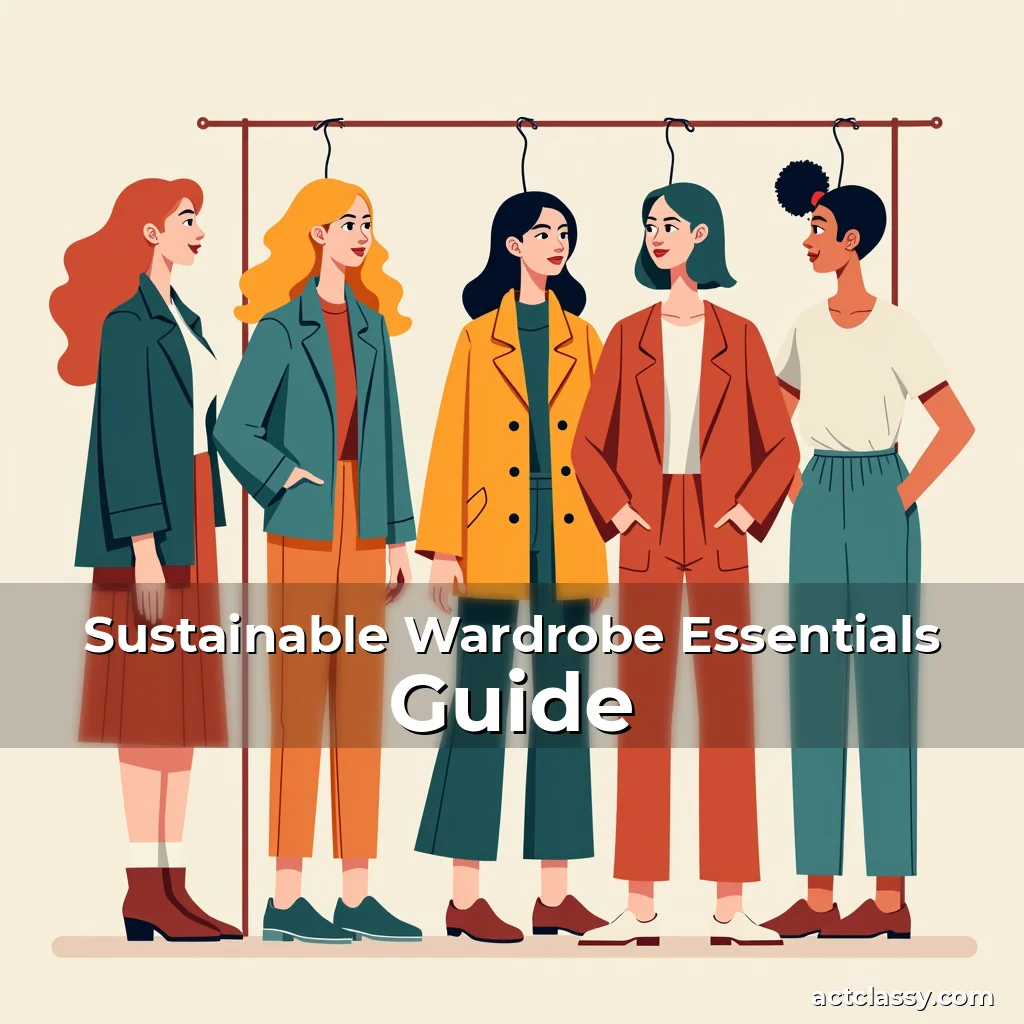
Sustainable Wardrobe Essentials Guide
In an era where fashion meets responsibility, curating a wardrobe that balances elegance with sustainability has never been more crucial. This guide explores how to build a minimalist yet sophisticated closet aligned with modern values.
The right selection of clothing can elevate your personal style while minimizing environmental impact. Discover how smart choices today shape both your image and the planet’s future tomorrow.
Timeless Investment Pieces
A well-curated wardrobe begins with essential items that transcend fleeting trends. These classic garments serve as foundational building blocks for countless outfits.
Invest in high-quality basics like tailored blazers and crisp white shirts that exude professionalism while remaining adaptable to various settings.
Why invest? Quality fabrics last longer, reducing the need for frequent replacements that contribute to textile waste.
Tips: Opt for neutral colors that pair effortlessly with other hues and avoid fast-fashion trap options likely to fade quickly.
- Select wool suits crafted from ethically sourced fibers for business meetings or formal events
- Prioritize natural silk scarves over synthetic alternatives for breathability and longevity
- Choose leather handbags with vegan certification to support cruelty-free fashion practices
Versatile Layering Solutions
Maintaining warmth during colder months requires thoughtful layering techniques that also enhance visual appeal. Strategic combinations allow single pieces to work across multiple scenarios.
A trench coat paired with a turtleneck creates both function and sophistication, ideal for transitioning between office and evening engagements seamlessly.
Seasonal Adaptation Strategies
Adapting your attire to weather changes ensures comfort without sacrificing style integrity. Consider lightweight cardigans for spring days turned chilly at dusk.
Layering shouldn’t mean bulkiness; opt for slim-fit sweaters and tailored jackets that maintain a streamlined silhouette even beneath additional layers.
Color Theory Fundamentals
Understanding complementary color palettes enables effortless outfit coordination. Basic knowledge of hue relationships transforms simple ensembles into visually striking compositions.
Bold accents against monochrome foundations create dynamic contrasts while retaining elegance. For example, pairing navy blue separates with red accessories adds vibrancy without overpowering.
Pro Tip: Stick primarily to analogous color schemes (colors next to each other on the wheel) for cohesive looks that feel intentional rather than random.
- Begin with three core neutrals (black, gray, beige) forming base tones for most outfits
- Add two accent shades representing bold statement colors used sparingly through accessories or tops
- Leverage metallic finishes strategically – gold works best with warm undertones whereas silver complements cooler skin types
Ethical Fabric Choices
Conscious consumers prioritize textiles produced through environmentally responsible methods. Understanding fabric origins helps make informed decisions about what enters your closet.
Cotton certified by Global Organic Textile Standard (GOTS) guarantees chemical-free production processes benefiting both workers and ecosystems alike.
Sustainable Material Innovations
Emerging technologies now offer plant-based leathers made from pineapple leaves or apple peels providing animal-product free alternatives without compromising durability.
Fabric recycling programs enable old garments to be transformed into new products, diverting potential landfill contributions while supporting circular economy principles.
Care Routine Optimization
Extending garment lifespan depends heavily on proper maintenance routines. Following manufacturer instructions prevents premature deterioration from misuse.
Washing delicate knits inside out reduces fiber damage, while air drying instead of machine-drying preserves fabric integrity better over time.
- Use cold water cycles for colored clothes to prevent fading and reduce energy consumption
- Employ steam irons for wrinkle removal instead of heat which can degrade certain synthetics
- Create DIY fabric softener solutions using vinegar and baking soda as eco-friendly substitutes
Smart Storage Solutions
Organized closets promote efficient dressing habits and minimize unnecessary shopping impulses fueled by disarrayed spaces.
Implement drawer dividers separating socks, underwear, and accessories keeps everything accessible without constant rummaging.
Storage tip: Invest in cedar-lined garment bags to naturally repel moths and protect woolen items from pests organically.
- Utilize vertical space with wall-mounted shelves holding folded sweaters or rolled towels neatly stacked
- Install tension rods above radiators for quick access to frequently worn outerwear pieces
- Rotate seasonal clothing regularly to maintain freshness and deter pest infestations
Capsule Wardrobe Principles
Curating a limited collection of interchangeable items fosters creativity while drastically reducing overall consumption volumes.
A 30-piece capsule wardrobe allows for creating dozens of distinct looks through strategic mixing and matching based on occasion requirements.
Core components: Include six basic tops, five bottom styles, two jackets, three skirts, and similar distribution among shoes/accessories to maximize versatility.
- Focus on creating gender-neutral options whenever possible to increase long-term usability
- Balance proportions carefully – aim for equal numbers of loose vs fitted silhouettes to accommodate different styling approaches
- Periodically reassess inventory removing items no longer serving functional purposes
Eco-Conscious Shopping Habits
Redefining consumer behavior around apparel purchasing involves mindful decision-making prioritizing quality over quantity consistently.
Research brands committed to fair labor practices, transparent supply chains, and regenerative agriculture initiatives before making commitments.
Actionable steps: Shop secondhand via consignment stores or online marketplaces offering pre-owned designer goods at significantly reduced prices.
- Join clothing rental services for special occasions requiring temporary access rather than permanent ownership
- Participate in buy-one-give-one-back programs that donate unused merchandise to those in need simultaneously acquiring fresh additions
- Track spending patterns to identify impulse buying triggers and develop strategies addressing them proactively
Professional Etiquette Integration
Incorporating workplace-appropriate attire reflects respect for organizational culture while demonstrating self-awareness regarding appropriate dress codes.
Business casual standards vary widely but generally involve clean linen shirts tucked in, slacks/jeans with minimal distressing, and polished footwear devoid of excessive logos.
Important reminder: Always verify company-specific policies through HR channels to align expectations accurately.
- Know when to wear ties versus pocket squares depending on event formality levels expected
- Opt for non-restrictive necklines avoiding overly tight collars which may convey unprofessionalism
- Coordinate shoe style with outfit type – loafers suit offices while sneakers remain reserved for casual environments
Statement Accessory Mastery
Drawing attention appropriately often comes down to selecting accessories that complement rather than compete with primary outfit elements.
Earrings exceeding two inches risk overshadowing facial features unless intentionally chosen for dramatic effect at social galas specifically.
- Limit jewelry stacking to three separate categories (necklaces, earrings, bracelets) preventing overwhelming visuals
- Pair bold belts with simpler tops allowing waist definition to become focal point rather than accessory overload
- Select handbag shapes corresponding to outfit silhouettes – boxy purses balance oversized coats effectively
Conclusion
This comprehensive approach equips you to cultivate a refined wardrobe while embracing environmental stewardship through conscious choices.
Begin implementing these strategies gradually, starting with one new practice each month until your entire approach becomes second nature in daily life.
“`html


As someone who has always found himself involved with online media in one form or another in my career, I have developed a passion for educating myself on the latest developments in publishing and social media and try to bring my love of the medium into my numerous projects.
You May Also Like


Hosting Etiquette for Dinner Parties
The Art of Hosting: Mastering Etiquette at Your Next Dinner Party In an age where social interactions often blur between...
Men's Fashion Trends: Modern Gentleman Style
The Evolution of Men’s Fashion: Timeless Elegance Meets Contemporary Innovation In an era where style is both a personal expression...

Networking Skills for Recent Graduates
Mastering Networking Etiquette: Essential Strategies for Building Meaningful Connections in Today’s Social Landscape In an era dominated by digital interaction,...

Aging with Elegance and Grace
Aging with Elegance and Grace In a world that often equates youth with vitality, true elegance lies in embracing the...
Related Posts


RoundTable Thursday : Defending Yourself Against A Travolta Assault


The Art of Making Lasting First Impressions in Modern Etiquette

