


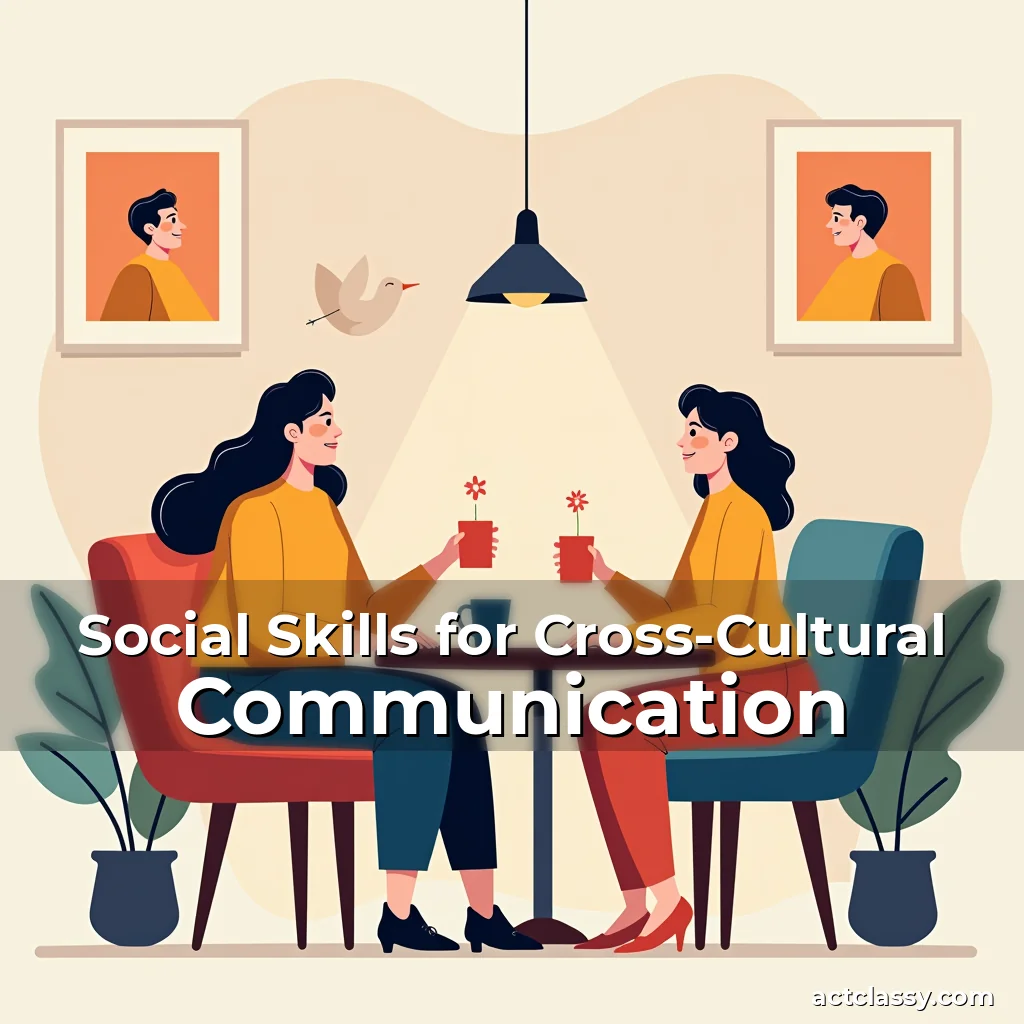
Social Skills for Cross-Cultural Communication
In today’s interconnected world, mastering social skills isn’t just beneficial—it’s essential. Whether navigating international business meetings or casual conversations at a global event, understanding how cultures interact shapes our ability to connect authentically.
The nuances of cross-cultural communication demand awareness, adaptability, and respect. This guide explores strategies to enhance these vital interpersonal abilities, helping you build stronger relationships across diverse backgrounds.
Cultivating Active Listening Across Cultures
Active listening forms the foundation of effective communication. It involves fully concentrating on the speaker rather than merely waiting to respond. In multicultural settings, this skill becomes even more critical due to varying conversational norms.
Some cultures value direct eye contact during discussions, while others see it as disrespectful or confrontational. Recognizing these differences prevents misunderstandings and fosters mutual respect among participants.
- Practice attentive posture: Lean slightly forward when someone speaks, showing engagement without invading personal space.
- Paraphrase frequently: Repeat back what you understand from their statement to clarify intent and demonstrate comprehension.
Nonverbal cues such as nodding, smiling, or open gestures reinforce attentiveness regardless of cultural context. These small actions signal receptivity and encourage further dialogue.
Patience is equally crucial when allowing pauses after statements. In many Asian cultures, silence signifies contemplation rather than disagreement. Rushing to fill gaps may disrupt natural conversation flow.
Navigating Nonverbal Language Differences
Body language plays a pivotal role in conveying messages, yet its interpretation varies widely across societies. A gesture considered friendly in one culture might be offensive elsewhere. Awareness of these subtleties enhances clarity in interactions.
Gestures like pointing fingers, hand placement near the face, or crossed arms carry distinct meanings depending on regional customs. Researching common symbols in target cultures minimizes potential misinterpretations.
Tone of voice influences perceptions significantly too. Soft-spoken individuals from certain backgrounds may appear indecisive to those accustomed to assertive speech patterns. Adjusting vocal inflection accordingly promotes better rapport building.
Dress codes reflect societal expectations around professionalism and formality. Understanding typical attire standards helps avoid unintentional breaches of etiquette during formal gatherings or professional engagements.
Fostering Cultural Sensitivity Through Empathy
Empathetic behavior bridges divides
Pacing speech according to conversational tempo facilitates smoother transitions between speakers. Matching cadence naturally promotes fluidity without forcing unnatural rhythms.
Variety in question types sustains interactive momentum. Alternating factual queries (“What did you think?”) with reflective prompts (“How has this impacted you?”) deepens exploration of ideas.
Recognizing when to steer discussions toward positive themes uplifts emotional atmosphere. Shifting focus away from negative narratives preserves constructive energy during talks.
Strengthening Public Speaking Abilities
Confidence in public speaking stems from thorough preparation aligned with audience expectations. Aligning presentation content with listener knowledge bases maximizes informational value provided.
Practicing speeches aloud improves fluency and identifies areas needing refinement. Recording self-deliveries offers objective feedback for improvement tracking purposes.
Varying vocal pitch enriches storytelling impact. Modulating tone appropriately highlights emphasis points and sustains listener engagement throughout duration.
Incorporating relatable anecdotes personalizes abstract concepts making them memorable longer term. Connecting material emotionally increases likelihood of recall later on.
Concluding Thoughts On Social Competency Growth
Continuous learning characterizes successful individuals who excel socially. Embracing challenges presents opportunities for refining existing capabilities further.
Consistently applying newly acquired knowledge transforms theory into tangible progress measurable over time periods. Tracking improvements objectively validates effort invested daily.
Maintaining patience through inevitable setbacks accelerates mastery rates considerably faster than rushing through phases prematurely. Sustainable advancement occurs gradually through persistent practice routines.
Ultimately, exceptional social skills derive from combining intellectual understanding with heartfelt application. True connection results when both minds and hearts remain engaged actively together simultaneously.
Putting Knowledge Into Action Daily
Implementing learned techniques requires conscious intentionality applied consistently. Small habitual adjustments compound significantly resulting in noticeable behavioral shifts observable externally.
Self-reflection exercises following interactions identify strengths maintained versus weak spots requiring additional focus. Documenting successes boosts motivation encouraging continued investment toward goals pursued diligently.
Seeking mentorship provides external validation confirming direction chosen correctly. Mentors offer fresh insight helping navigate complex situations confidently despite uncertainty felt internally sometimes.
Regularly revisiting foundational principles reinforces core beliefs guiding decision-making processes continually evolving dynamically alongside changing environments encountered regularly.


As someone who has always found himself involved with online media in one form or another in my career, I have developed a passion for educating myself on the latest developments in publishing and social media and try to bring my love of the medium into my numerous projects.
You May Also Like


Personal Grooming for Video Meetings
Elevating Professional Presence Through Personal Grooming In today’s hyper-connected world, personal grooming transcends mere vanity—it becomes a cornerstone of professional...

Professional Behavior During Company Events
The Art of Professional Conduct in Modern Workplace Settings In today's dynamic corporate environment, professional behavior has evolved beyond mere...

Wedding Guest Manners and Protocol
The Elegant Etiquette of Modern Social Interactions In today's fast-paced world, maintaining refined social conduct remains essential. Whether attending formal...


Smart Casual Dress Code for Men and Women
The Art of Dressing Appropriately: Mastering the Modern Dress Code In an era where first impressions are often formed within...
Related Posts
I’m Having A Me Party, An Advice Column By Myself : Ask Professor Classypants
The Modern Etiquette Playbook: Navigating Social Norms in a Digital Age

