


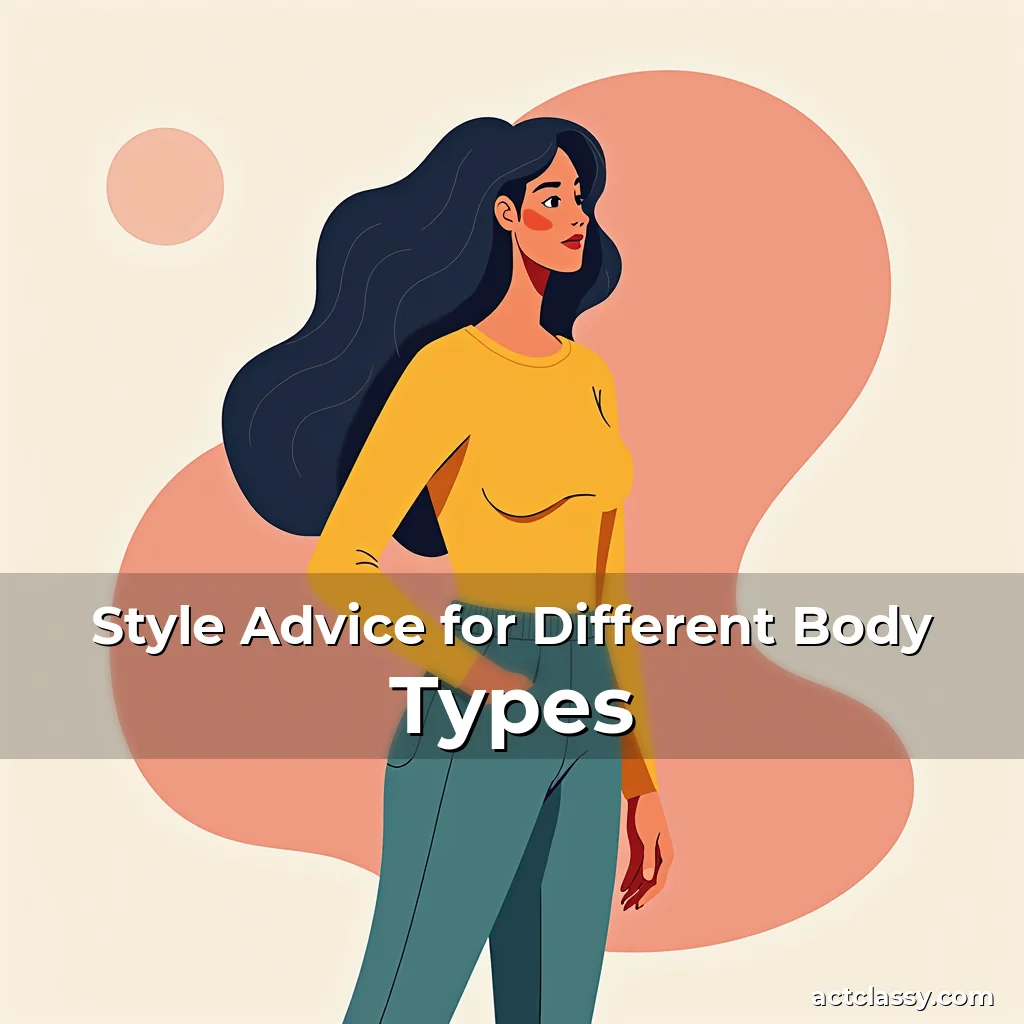
The Art of Elegance: Style Guidance for Every Occasion and Persona
In today’s world of fast fashion and ever-changing trends, finding personal style that reflects individuality while respecting traditional values of sophistication presents a unique challenge.
This guide explores nuanced approaches to styling that cater to diverse body types, occasions, and personality expressions, offering timeless principles that remain relevant regardless of fleeting fads.
Fundamental Principles of Timeless Styling
Elegant style begins with understanding core principles that transcend temporary trends. These foundational elements include proportion, color harmony, fabric quality, and silhouette balance.
A well-fitted garment always takes precedence over elaborate patterns. When selecting clothing, prioritize pieces that flatter natural proportions rather than trying to disguise them.
Proportion: Understanding body measurements allows for strategic outfit construction. For example, high-waisted trousers can visually elongate shorter frames while belts help define waistlines.
Color Harmony: Choosing complementary colors creates visual unity. Classic combinations like navy blue paired with cream offer versatility across seasons and events.
Fabric Quality: Investing in premium materials ensures longevity and comfort. Wool blends provide warmth without bulkiness, while silk adds luxurious texture without excessive cost.
Silhouette Balance: Balancing volume in different areas prevents overwhelming the figure. A fitted top with a loose skirt distributes visual weight evenly.
Understanding Your Unique Physique
Different body shapes require distinct styling approaches to highlight strengths while minimizing concerns. Recognizing these differences empowers confident wardrobe selections.
Rounded figures benefit from structured tailoring that defines edges. Vertical stripes and V-necks create slimming illusions when worn correctly.
Hourglass Shape: This balanced form thrives with form-fitting dresses and tailored suits that emphasize defined curves.
Pear Shape: Focus on balancing upper and lower halves with cropped tops and flowing skirts that draw attention upwards.
Apple Shape: Choose empire waists and wrap styles that accentuate shoulders and collarbones while avoiding restrictive fabrics.
Banana Shape: Add dimension with layered garments and strategically placed accessories to create the illusion of curves.
Clothing Selection for Professional Environments
Business settings demand polished appearances that convey competence without ostentation. Neutral palettes and classic cuts form the backbone of successful corporate wardrobes.
Invest in versatile staples like tailored blazers, pencil skirts, and crisp shirts that transition easily between meetings and client interactions.
Tailored Blouses: Opt for cotton or linen blends that maintain professionalism while allowing breathability during long workdays.
Structured Jackets: Sharp lines and minimal embellishment reinforce authority and reliability in leadership roles.
Versatile Skirts: Mid-calf lengths pair well with knee-high boots for winter or open-toe heels in warmer months.
Appropriate Footwear: Closed toe pumps in muted tones exude professionalism better than flashy designs or impractical heels.
Styling Techniques for Social Events
Formal gatherings call for elegant ensembles that reflect refinement while remaining comfortable enough for extended socializing. Strategic layering enhances versatility without sacrificing grace.
Select gowns with built-in support structures for evening events, ensuring comfort doesn’t compromise aesthetics. Avoid overly tight bodices that restrict movement.
Statement Accessories: Delicate jewelry complements formal attire, adding subtle sparkle without overpowering the ensemble.
Shoe Choices: Evening heels should have moderate height and secure fittings to prevent discomfort during prolonged standing.
Fabric Considerations: Satin and taffeta offer luxury appeal while remaining breathable options compared to heavier velvets or brocades.
Color Coordination: Monochromatic schemes simplify coordination while allowing for creative detailing through textures or patterns.
Casual Wear Without Compromise
Relaxed environments allow for greater creativity, but maintaining class standards means avoiding sloppy or overly informal attire. Thoughtful choices elevate casual looks significantly.
Denim jeans can become sophisticated when paired with tailored tops and minimalist footwear. Avoid distressed finishes unless specifically appropriate for the setting.
Layered Outfits: Cardigans and light jackets add depth to simple outfits while providing practicality against changing temperatures.
Accessories Matter: Even casual wear benefits from quality accessories – leather crossbody bags or woven baskets enhance overall polish.
Footwear Essentials: Loafers, espadrilles, or block-heeled sandals maintain a refined appearance while permitting ease of movement.
Mixing Textures: Combining smooth fabrics with knits or leather creates interesting visual dynamics without becoming too busy.
Seasonal Adjustments and Fabric Wisdom
Clothing choices should adapt to environmental conditions while preserving sartorial integrity. Understanding fabric properties enables smart seasonal transitions.
Linen offers lightweight cooling for summer while wool provides insulation for colder months. Cashmere blends strike a perfect middle ground for transitional weather.
Spring Wardrobe: Lighter weights combined with pastel shades create fresh, vibrant looks ideal for mild climates.
Summer Fabrics: Breathable materials like cotton, rayon, and seersucker promote comfort without sacrificing style.
Autumn Layers: Knit sweaters, trench coats, and scarves add dimension while protecting against cooler temperatures.
Winter Protection: Invest in warm but fashionable outerwear that balances functionality with aesthetic appeal.
Age-Aware Styling Strategies
Elegance evolves with age, requiring thoughtful adaptations that celebrate maturity while embracing current trends selectively. Age-appropriate styling maintains dignity without appearing outdated.
Younger generations often favor bold prints and experimental cuts, whereas older demographics typically gravitate towards understated classics. However, this isn’t an absolute rule.
Confidence Through Fit: Well-tailored clothes of any era radiate assurance, proving that true elegance lies in fit rather than fashion house logos.
Pattern Moderation: Younger profiles may experiment with bolder patterns, while mature looks thrive with subtler motifs applied sparingly.
Jewelry Sophistication: Simpler, higher-quality pieces tend to suit more mature tastes better than excessive ornamentation.
Accessory Refinement: As one ages, accessories shift from quantity to quality, emphasizing craftsmanship over number of items carried.
Personal Expression Within Formal Frameworks
Even within rigid dress codes, opportunities exist to express personality while maintaining decorum. Subtle touches differentiate ordinary attire from truly distinctive ensembles.
Choose boutonnieres or lapel pins that reflect personal interests without overshadowing the primary outfit. These small gestures showcase character thoughtfully.
Custom Embroidery: Personal monograms or discreet embroidery add uniqueness without violating protocol.
Signature Scents: Fragrances serve as wearable art, allowing self-expression through olfactory presence alongside visual elements.
Textured Fabrics: Incorporating tactile interest through different weaves or treatments elevates standard business attire.
Grooming Details: Neat haircuts, clean nails, and well-maintained skin complete the picture of a fully realized persona.
Psychological Dimensions of Dressing


As someone who has always found himself involved with online media in one form or another in my career, I have developed a passion for educating myself on the latest developments in publishing and social media and try to bring my love of the medium into my numerous projects.
You May Also Like


Personal Grooming and Mental Health
The Art of Personal Grooming: Elevating Self-Care Through Mindful Rituals In an era where first impressions often determine professional opportunities...
Social Graces for International Business
The Elegant Art of Social Graces in Global Networking In today's interconnected business landscape, mastering social graces is essential for...
Children's Dining Etiquette Training
The Elegant Art of Table Manners: A Comprehensive Guide to Modern Dining Etiquette In an era where digital interactions often...

Formal Event Seating Arrangements
The Art of Formal Event Seating Arrangements Seating arrangements at formal events are not arbitrary; they reflect a deliberate effort...
Related Posts


New Tech Round-up: Creepy Avatars, Slippery Ketchup, and Very Visible Spy Blimps
Sustainable Fashion Trends for Conscious Consumers
