
The Art of Table Manners in Modern Etiquette
In an era where digital communication dominates daily life, mastering table manners remains a vital skill that speaks volumes about personal修养 and social grace. From the subtle placement of utensils to the artful way we engage in conversation over meals, these small gestures collectively form the foundation of respectful interaction.
For individuals seeking to elevate their presence at fine dining experiences, understanding contemporary table etiquette is essential. This guide explores how refined mannerisms can enhance both professional networking opportunities and personal relationships through thoughtful behavior during shared meals.
The Evolution of Table Manners Through History
Civilized societies have long recognized the importance of structured mealtime conduct as a reflection of societal values. Ancient Roman banquets featured elaborate protocols governing food service and seating arrangements, while medieval European feasts established customs around communal eating practices.
During the Renaissance period, courtly manners transformed dining etiquette into an intricate performance. The use of forks became a symbol of status, and conversational rules evolved to emphasize decorum even amidst lavish banquets. These historical developments laid crucial groundwork for modern table norms.
Fundamental Principles of Contemporary Dining Etiquette
At its core, good table manners revolve around respect for others and awareness of your surroundings. Simple actions such as keeping hands visible above the table and avoiding loud vocalizations demonstrate consideration for fellow diners.
Maintaining eye contact during conversations shows engagement without being intrusive, while refraining from speaking with full mouth ensures polite dialogue. These fundamental principles create a comfortable atmosphere conducive to meaningful interactions.
Proper Utensil Usage and Placement
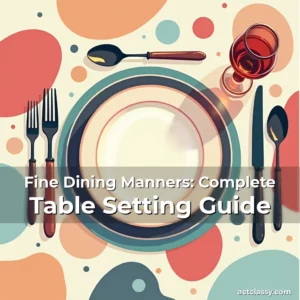
Understanding the correct sequence for using cutlery is essential in formal settings. Courses are typically served with corresponding utensils placed from the outside inward, allowing guests to follow an organized progression through each dish.
If unsure about which fork or knife to use, observe the pattern established by other diners. Never hold utensils in reverse orientation, as this may indicate lack of familiarity with proper usage conventions.
- Left-hand positioning: Hold the fork in your left hand when using a knife, maintaining a relaxed grip rather than tight grasping
- Saucer protocol: Always place the fork tines facing down on the saucer after finishing a course to signal you’re done eating
Navigating Conversation Dynamics During Meals
Dining conversations require delicate balance between participation and restraint. Active listening skills become particularly important when discussing topics that might cause discomfort among guests.
It’s advisable to avoid controversial subjects unless initiated by others. Maintaining light-hearted discussions about food, travel, or cultural experiences creates pleasant ambiance without risking awkward silences.
Cultural Sensitivities in Global Dining Settings
International business dinners demand heightened awareness of cross-cultural differences in dining customs. In some Asian cultures, elders receive food first before others begin eating, reflecting deep-seated familial traditions.
Paying attention to local customs regarding chopstick usage, bread-breaking rituals, or beverage consumption patterns demonstrates genuine respect for different culinary heritages. Researching appropriate behaviors beforehand significantly enhances intercultural communication effectiveness.
Etiquette for Specific Dining Occasions
Tasting menus present unique challenges requiring careful coordination between courses. When trying new dishes, take only small bites initially to fully appreciate flavors and textures without overwhelming yourself.
At buffet-style events, maintain orderly movement through serving lines to prevent congestion. Using trays properly and respecting portion control guidelines ensures everyone has equal access to available foods.
Handling Common Social Situations Gracefully
Accidentally knocking over a glass calls for swift but composed response. Quickly apologizing and retrieving the item without creating unnecessary drama maintains dignity in unexpected mishaps.
When encountering dietary restrictions, express genuine interest in learning about different needs. Offering alternative options when possible fosters inclusivity rather than simply acknowledging limitations.
Modern Adaptations in Digital Dining Environments
With the rise of virtual meetings and delivery services, adapting traditional etiquette to screen-based interactions becomes necessary. Keeping cameras focused on upper body allows nonverbal cues to remain visible during online gatherings.
Respecting time constraints in video conferences requires preparation similar to in-person events. Having all materials ready before joining helps maintain professionalism in digital spaces.
Developing Lasting Habits Through Practice
Cultivating impeccable table manners demands consistent practice across various situations. Observing well-mannered individuals provides practical models for emulation without direct imitation.
Varying environments exposes one to diverse expectations, reinforcing adaptability in social contexts. Regular self-reflection helps identify areas needing improvement while celebrating progress made over time.
Conclusion
Mastering table manners equips individuals with tools for successful interpersonal connections in numerous aspects of life. Whether navigating business lunches or family dinners, conscious application of proper etiquette enhances overall experience quality.
By embracing these principles consistently, one develops natural poise that translates beyond dining rooms into every facet of social engagement. Continued refinement of these skills builds confidence and credibility in professional and personal spheres alike.


Related Posts


Wine Service Fine Dining Manners

Traveling Manners for International Trips