
The Art of Dining: Mastering Table Manners in Modern Society
In today’s fast-paced world, dining etiquette remains an essential skill that transcends generations. While modern society has relaxed many traditional rules, understanding basic table manners continues to demonstrate respect for others and oneself.
This guide explores key principles of contemporary dining etiquette, focusing specifically on when and how to begin eating at various types of meals. From formal dinners to casual lunches, knowing these nuances can make a significant difference in social interactions.
The Importance of Waitstaff Signals
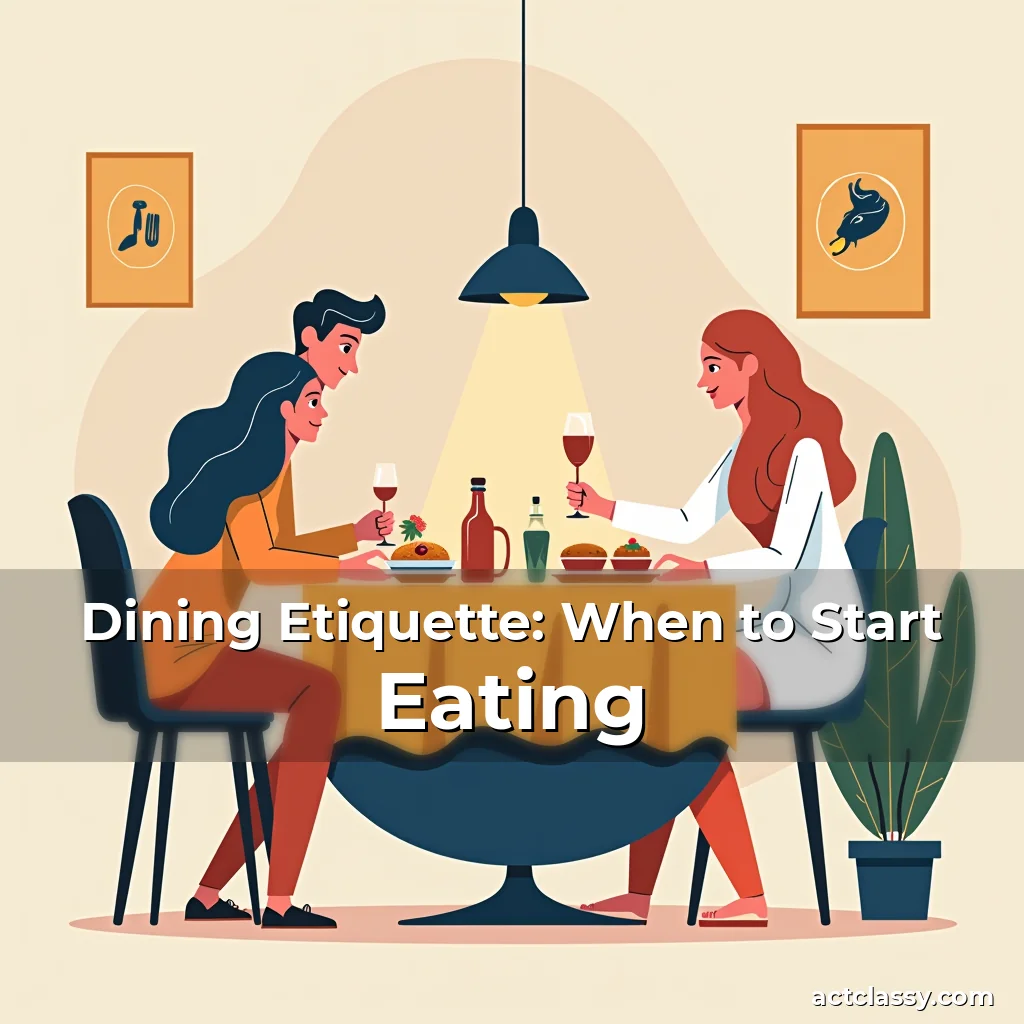
Before reaching for your first bite, always pay attention to signals from waitstaff. These cues indicate whether it is appropriate to start eating based on service style and restaurant protocol.
At fine-dining establishments, servers often wait until everyone has been served before signaling the meal begins. This tradition shows consideration for all guests’ experiences and maintains a sense of order during multi-course meals.
- Signal recognition: Learn to identify subtle gestures like a nod, raised hand, or verbal confirmation as indicators to begin eating.
- Cultural awareness: Different cultures have varying expectations regarding when diners should initiate eating after being served.
In American restaurants, it’s common for servers to say “Enjoy your meal” before leaving the table. However, some European traditions require waiting until the server has walked away completely before starting to eat.
Understanding these differences helps avoid awkward situations where someone might start eating too soon or too late according to local customs.
Serving Order Protocols
Knowing the correct serving order adds another layer to dining etiquette. At formal events, there are established protocols governing who gets served first and when.
Typically, hosts serve their guests before themselves, especially in home settings. This gesture demonstrates hospitality and ensures guests feel valued before the host partakes in the meal.
In professional environments, senior executives may be served first as a sign of respect. However, this practice varies across industries and corporate cultures.
Regional Variations
Etiquette guidelines differ significantly between regions. In Japan, for example, it’s customary for the eldest person at the table to be served first. Similarly, in Middle Eastern countries, men are traditionally served before women.
These cultural norms highlight the importance of researching local customs before attending special occasions abroad. Misunderstandings can lead to unintended offense despite good intentions.
Course Timing Awareness
Paying attention to course timing prevents embarrassing moments when you’re either ahead or behind the rest of the group. Understanding the flow of a typical meal helps maintain harmony at the table.
Multi-course meals usually follow a set sequence, progressing from appetizers through entrees to desserts. It’s considered polite to pace yourself so you don’t finish too early or lag significantly behind others.
When dining with children, parents should model appropriate pacing rather than rushing them through courses. Patience fosters better eating habits without pressuring young diners.
Utensil Usage Guidelines
Proper utensil usage enhances both comfort and appearance at the dinner table. Knowing which fork goes with which knife makes navigating complex dishes easier.
Start with the outermost utensils and work inward as courses progress. The right-hand rule applies generally, though exceptions exist depending on dish presentation.
If unsure about proper placement, observe other diners discreetly. Mimicking experienced guests reduces the risk of making mistakes while maintaining grace under pressure.
Drink Consumption Practices
Managing beverage consumption appropriately contributes to overall dining refinement. There are unspoken rules about when and how much to drink during meals.
It’s typically acceptable to take sips between bites rather than drinking excessively. Overconsumption of alcohol should be avoided unless explicitly encouraged by the event’s nature.
During business meetings or family gatherings, moderation becomes even more crucial. Excessive drinking could compromise judgment and affect interpersonal relationships.
Conversation Etiquette During Meals
Maintaining appropriate conversation topics keeps meals pleasant for all participants. Choosing subjects that engage rather than alienate creates positive dining experiences.
Avoid controversial discussions such as politics, religion, or personal finances during initial stages of any meal. Save deeper conversations for later once comfortable rapport has developed.
Active listening skills enhance communication quality. Nodding, eye contact, and thoughtful responses show genuine interest in what others have to say.
Respecting conversational boundaries means not dominating discussions but contributing meaningfully when appropriate. Balance is key to successful table talk.
Handling Food Presentation Issues
Occasionally, food may arrive incorrectly prepared or presented unsatisfactorily. Knowing how to address these issues politely preserves professionalism and courtesy.
If something seems amiss, signal the waiter politely instead of speaking loudly or drawing undue attention. A simple hand gesture or soft call can resolve minor concerns effectively.
For serious complaints, request to speak with the manager privately. Maintaining composure ensures issues get resolved without causing embarrassment for anyone involved.
Post-Meal Conduct Standards
Good dining etiquette extends beyond the actual meal itself. How we behave afterward reflects our character and level of sophistication.
Thanking the host or staff properly concludes the experience respectfully. Express gratitude sincerely rather than mechanically reciting formulas.
Leaving promptly yet courteously avoids inconveniencing others. Allow time for coffee or dessert if offered, then depart politely when ready.
Special Occasion Considerations
Weddings, galas, and charity events demand heightened levels of decorum. Being aware of specific requirements increases chances of success at high-stakes functions.
Familiarize yourself with dress codes well in advance. Proper attire sets the tone for respectful participation in the event’s activities.
Gift-giving etiquette requires careful thought about appropriateness. Choose presents that align with the occasion’s purpose while avoiding anything potentially offensive.
Technology Etiquette at the Dinner Table
In our digital age, managing technology use during meals is increasingly important. Balancing connectivity with face-to-face interaction defines modern table manners.
Keep phones on silent mode and refrain from checking messages unnecessarily. If urgent calls come through, excuse yourself briefly to handle them outside the dining area.
Using tablets or laptops at the table should be limited to unavoidable circumstances. Prioritize human connection over electronic engagement whenever possible.
Childcare Etiquette During Family Dinners
Raising children involves teaching them proper dining behaviors from an early age. Modeling good conduct encourages lifelong appreciation for civilized dining practices.
Create a welcoming environment where kids feel safe experimenting with new foods. Encourage trying different flavors without forcing preferences upon them.
Establish clear expectations about table behavior. Consistent guidance helps build confidence in following proper procedures naturally.
Health-Conscious Dining Choices
Eating mindfully supports both physical health and social harmony. Making conscious choices benefits individuals and those around them alike.
Select options that accommodate dietary restrictions or preferences without monopolizing discussion about food. Show interest in others’ selections as well.
Portion control plays an important role in maintaining balance. Enjoying smaller servings allows space for varied tastes and prevents discomfort later.
Building Lasting Relationships Through Good Manners
Exceptional dining etiquette strengthens connections between people. Thoughtful actions create lasting impressions that extend far beyond individual meals.
Remember names, recall previous conversations, and offer genuine compliments. Small courtesies add up to meaningful interactions over time.
Show appreciation for others’ efforts. Whether thanking someone for hosting or complimenting a particular dish, acknowledging contributions builds goodwill.
Conclusion
Dining etiquette encompasses numerous considerations that contribute to enjoyable meals for all participants. From recognizing waitstaff signals to respecting post-meal conduct standards, every aspect matters in creating harmonious dining experiences.
By practicing mindful eating habits and showing genuine respect for others, individuals elevate their presence at any gathering. Remember that good manners are cultivated through consistent effort and sincere intention toward fostering positive human connections.


Related Posts


Formal Dinner Party Dining Etiquette

The Elegant Art of Dining Etiquette: Mastering Table Manners for Every Occasion