


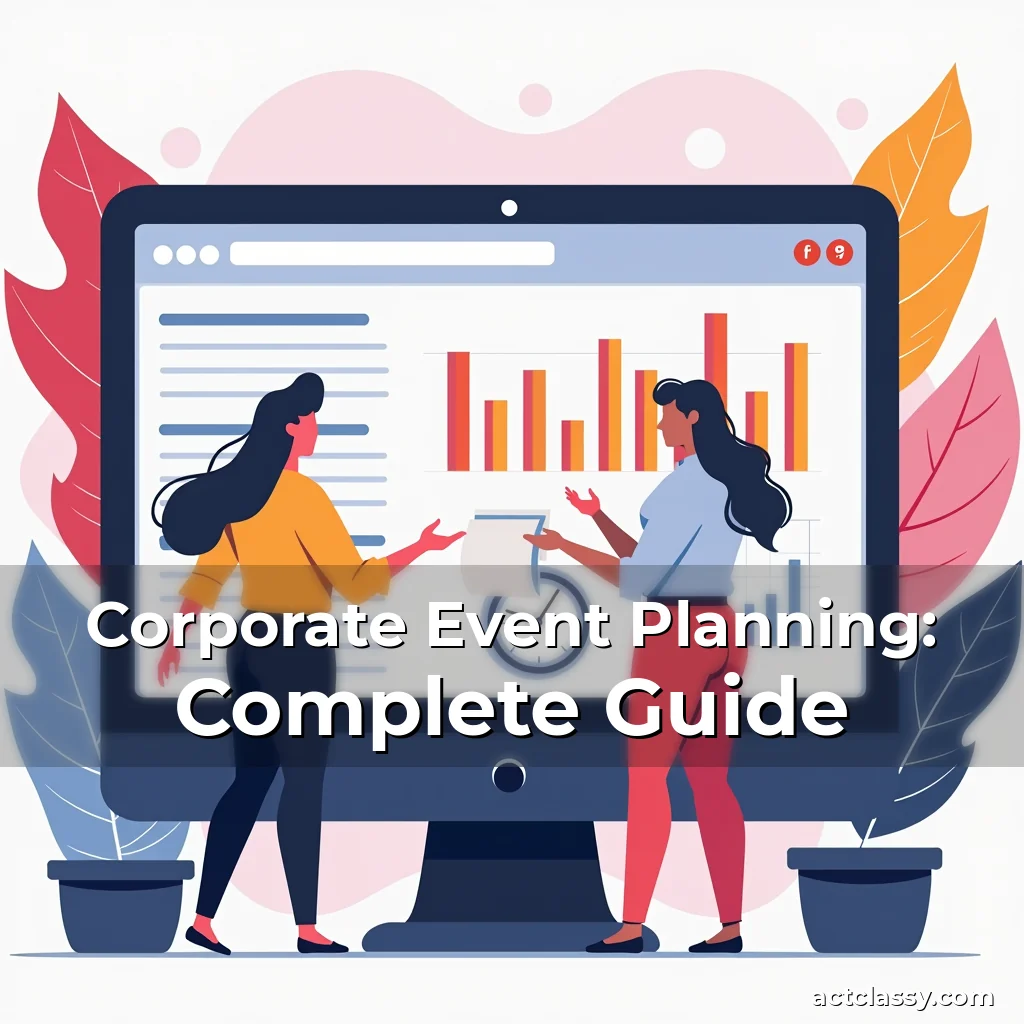
The Art and Science of Seamless Corporate Event Planning
In today’s dynamic business landscape, corporate events have evolved from simple gatherings to meticulously orchestrated experiences that shape brand identity and foster professional relationships. When executed flawlessly, these occasions can elevate company culture, strengthen client bonds, and generate tangible business outcomes.
Event planning requires mastering both creative vision and operational precision, blending artistry with strategic execution. For professionals across industries, understanding this dual nature is essential to creating memorable events that align with organizational goals.
Fundamental Principles of Effective Event Planning
The cornerstone of successful event planning lies in establishing clear objectives. Whether aiming to launch a new product, celebrate annual achievements, or facilitate networking opportunities, defining purpose shapes every decision made during the process.
Careful consideration must be given to target audience characteristics when selecting venues and designing programs. An executive retreat will demand different logistical arrangements than an employee appreciation day, highlighting the importance of demographic analysis in the planning phase.
Setting realistic budgets early in the planning cycle prevents costly surprises later. This involves allocating funds not only for obvious expenses but also accounting for contingency reserves to address unexpected challenges.
An effective timeline includes pre-event preparations, the actual event day, and post-event follow-ups. Allocating adequate time for each stage ensures smooth transitions between phases without compromising quality.
- Venue selection: Choosing locations that match both the event theme and practical requirements such as accessibility and capacity needs
- Sponsorship development: Identifying potential partners whose values align with the event mission while negotiating mutually beneficial agreements
- Talent coordination: Engaging speakers, performers, and vendors who bring specialized expertise relevant to the event’s purpose
Meticulous vendor management plays a crucial role in ensuring seamless execution. Establishing clear communication channels with caterers, AV technicians, and other service providers helps maintain consistency across all aspects of the event.
Risk assessment becomes increasingly vital as planning progresses. Developing emergency protocols for situations ranging from technical failures to medical emergencies demonstrates preparedness and professionalism.
Crafting Compelling Event Concepts
A strong concept begins with identifying core themes that resonate with attendees while supporting organizational messaging. Themes provide structure yet allow room for creativity within established parameters.
Storytelling techniques enhance engagement by transforming passive attendance into active participation. Incorporating narratives through presentations, interactive displays, or experiential elements creates lasting impressions.
When developing visual identities, maintaining consistent branding elements across signage, décor, and digital materials reinforces message clarity. Color schemes, typography choices, and iconography should reflect company values.
Creating immersive environments requires careful attention to sensory details – lighting effects, scent diffusion, ambient music levels, and spatial layouts all contribute to atmosphere creation.
Designing Multi-Sensory Experiences
Research indicates that multi-sensory engagement can increase attendee retention rates by up to 65% compared to traditional formats. Strategic use of auditory cues, tactile elements, and olfactory stimuli enhances memory formation and emotional connection.
Different senses respond uniquely to various stimulus types. Visual information typically has immediate impact, whereas audio components create longer-lasting associations, making them ideal for reinforcing key messages throughout an event space.
Implementing interactive installations allows guests to engage with content at their own pace rather than passively receiving information. Touchscreen kiosks featuring augmented reality features offer innovative ways to showcase products or services.
Thoughtful incorporation of scents related to the event theme can trigger nostalgic memories or create positive associations. Carefully selected fragrances have been shown to influence mood and behavior patterns among participants.
Navigating Logistics and Vendor Management
Logistical complexity varies greatly depending on event size and format. From small team meetings requiring minimal setup to international conferences needing extensive coordination, each scenario demands tailored approaches.
Evaluating venue capabilities well in advance prevents last-minute disappointments. Checking availability of necessary infrastructure like power outlets, internet connectivity, and parking accommodations is critical during site visits.
Coordinating with catering teams involves considering dietary restrictions, food preferences, and presentation styles that complement the event’s tone. Menu testing sessions help ensure quality before finalizing selections.
Prioritizing reliable transportation options benefits attendees traveling long distances. Arranging shuttle services or recommending nearby accommodation reduces stress associated with getting to the location.
- Audiovisual support: Ensuring high-quality sound systems, projectors, and screens are properly calibrated for optimal viewing experience
- Beverage service: Offering alcohol-free alternatives alongside standard drink menus accommodates diverse guest preferences
- Security measures: Implementing access control systems protects sensitive assets while maintaining welcoming atmospheres
Leveraging technology solutions improves efficiency in managing guest lists, tracking RSVPs, and facilitating on-site check-ins. Mobile apps provide real-time updates and enable instant feedback collection through interactive surveys.
Establishing clear contracts with all service providers defines expectations regarding deliverables, timelines, and payment schedules. Including clauses for force majeure situations safeguards against unforeseen disruptions.
Mastering Onsite Execution Strategies
Preparation extends beyond scheduling; thorough walk-throughs identify potential issues before they arise. Observing how staff navigate spaces helps refine processes for smoother operation.
Training personnel in event-specific procedures ensures consistent service delivery. Role-playing scenarios prepare volunteers and employees to handle challenging situations calmly and professionally.
Real-time monitoring enables quick response to emerging problems. Having backup equipment available minimizes downtime caused by equipment failure or unexpected crowd fluctuations.
Implementing efficient traffic flow systems prevents bottlenecks around popular attractions or registration areas. Clearly marked pathways guide attendees intuitively through the environment.
Cultivating Meaningful Networking Opportunities
Strategic seating arrangements encourage spontaneous conversations between attendees. Group tables mixed with individual pods provide varied interaction possibilities based on social preferences.
Organizing facilitated discussions fosters deeper connections through structured exchanges. Icebreaker activities help break down barriers while leading to substantive conversations.
Offering curated matchmaking services can connect professionals with complementary skills or interests. Digital platforms allowing profile comparisons simplify finding suitable conversation partners.
Providing private meeting rooms enables focused dialogue away from public spaces. Equipping these areas with recording devices facilitates follow-up actions after initial encounters.
Evaluating Post-Event Success Metrics
Gathering timely feedback provides insights into what worked effectively and where improvements could be made. Surveys distributed via mobile app interfaces yield more accurate responses than paper-based methods.
Analyzing attendance data reveals trends about participant demographics and behavioral patterns. Cross-referencing this information with sales figures identifies correlations between event exposure and subsequent conversions.
Measuring social media engagement metrics shows how well content resonated with broader audiences outside direct attendees. Tracking shares, mentions, and hashtag usage quantifies online reach.
Conducting cost-benefit analyses helps determine return on investment by comparing expenditures with tangible outcomes achieved through the event. Adjusting future strategies based on these findings ensures continuous improvement.
Building Lasting Professional Relationships Through Events
Events serve as powerful tools for relationship-building by providing shared experiences that forge personal connections. Creating opportunities for informal interactions often leads to stronger partnerships than formal meetings alone.
Fostering ongoing engagement through follow-up communications maintains momentum created during events. Sending personalized thank-you notes acknowledges contributions while keeping lines of communication open.
Developing loyalty programs rewards repeat participation, encouraging sustained involvement in future initiatives. Recognizing consistent supporters publicly reinforces their value to the organization.
Tracking relationship progression over time enables tailored outreach efforts. Monitoring evolving needs allows for customized invitations that remain relevant to changing professional landscapes.
Conclusion
Successful corporate event planning combines artistic vision with precise execution, resulting in experiences that leave lasting impressions on attendees. By focusing on both creativity and logistics, planners create environments conducive to meaningful connections and measurable outcomes.
Embracing a holistic approach that considers conceptual design, meticulous preparation, and thoughtful evaluation empowers professionals to host events that achieve both brand enhancement and community building simultaneously.


As someone who has always found himself involved with online media in one form or another in my career, I have developed a passion for educating myself on the latest developments in publishing and social media and try to bring my love of the medium into my numerous projects.
You May Also Like


Fashion Trends: How to Adapt for Your Body Type
Fashion Trends: How to Adapt for Your Body Type In an era where fashion evolves rapidly, understanding how to adapt...
Business Lunch Dining Etiquette Tips
Mastering Modern Business Dining: Etiquette Tips for Professionals Dining etiquette remains a cornerstone of professional interaction, shaping perceptions and influencing...

Tipping in Fine Dining Establishments
The Art of Tipping in Fine Dining Establishments: A Comprehensive Etiquette Manual In the world of fine dining, where every...

Elegance in Home Decor and Design
Elegance Redefined: Timeless Refined Living Through Interior Design In today's fast-paced world, the concept of elegance has evolved into a...
Related Posts


Unnecessary Fan Fiction: Goober Goes to Best Buy

Elegance Through Minimalism and Simplicity
