


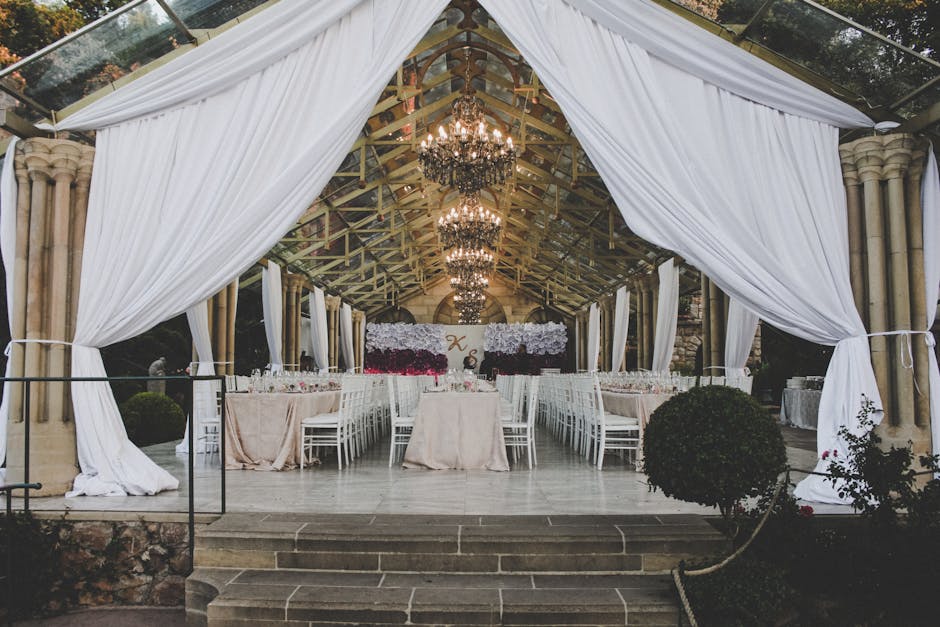
The Elegant World of Formal Events: A Comprehensive Etiquette Handbook
In an age where casual attire often dominates social interactions, formal events remain a bastion of elegance, tradition, and sophistication. From black-tie galas to white-tie affairs, these gatherings offer a rare opportunity to engage in refined social experiences that transcend mere networking.
Understanding the nuances of formal event protocol is essential not only for making a positive impression but also for fully appreciating the cultural significance behind such occasions. This guide explores every aspect of formal events from dress codes to dining etiquette.
Deciphering Dress Codes: The Language of Attire
The first step toward mastering formal event etiquette begins with understanding the different levels of formality associated with various types of events. Each level carries its own expectations regarding clothing choices and presentation.
A basic understanding of common dress code abbreviations can prevent embarrassing fashion missteps at any gathering. Black-tie, white-tie, cocktail attire, and business formal are among the most frequently encountered classifications.
- Black-Tie: Traditionally refers to tuxedos for men and floor-length gowns for women, though modern interpretations sometimes allow for creative variations while maintaining overall formality.
- White-Tie: Represents the highest level of formality, requiring tailcoats for men and elaborate evening gowns with trains or high collars for women.
Misinterpreting these codes can lead to inappropriate attire, which might be perceived as either disrespectful or unrefined by attendees who take such matters seriously.
Cocktail attire offers slightly less rigidity than black-tie but still demands well-fitted suits and elegant dresses rather than casual wear. Business formal typically involves conservative suits and blazers without the extreme formality of tuxedos.
Navigating the Social Landscape: Building Connections with Grace
Formal events provide unique opportunities for meaningful connections beyond simple introductions. Mastering small talk techniques and knowing when to approach others can significantly enhance your experience.
Initiating conversations politely requires careful consideration of timing and context. Approaching someone mid-conversation or during a meal is generally considered impolite unless there’s a clear reason for interruption.
Developing conversational skills through active listening demonstrates respect and engagement. Asking thoughtful questions about interests or recent achievements fosters deeper connections.
Becoming adept at reading body language cues helps determine appropriate times to initiate dialogue or change topics naturally within discussions.
Dining Etiquette: Savoring Every Course with Poise
Eatery settings during formal events require adherence to specific table manners that distinguish them from everyday meals. Proper use of utensils and awareness of serving order contribute greatly to a seamless dining experience.
Familiarizing oneself with the sequence of courses allows guests to navigate multi-course meals confidently. Typically beginning with appetizers followed by soup, salad, entrees, and desserts establishes predictable patterns.
Paying attention to how food is presented and consumed maintains decorum throughout the dinner service. Avoiding loud noises or excessive movements around the table shows appreciation for shared enjoyment.
Learning proper wine pouring technique prevents overfilling glasses unnecessarily, ensuring everyone enjoys their beverages without excess waste.
The Art of Toasting: Elevating Conversations with Drinks
Toasting rituals add a layer of ceremony to formal dinners, transforming regular conversations into memorable moments. Understanding traditional practices enhances participation in these special exchanges.
Holding the glass correctly with both hands signifies respect during toasts, especially when honoring notable figures present at the event. Maintaining eye contact reinforces sincerity and attentiveness.
Following established hierarchy rules ensures appropriate deference is shown during group toasts. Leaders or distinguished individuals usually go first before others join in sequentially.
Keeping toast durations brief preserves the integrity of the moment while allowing sufficient time for subsequent activities or conversations.
Gifting Traditions: Thoughtful Presents That Leave Lasting Impressions
Gift-giving at formal events follows distinct customs depending on the occasion type and relationship dynamics between participants. Choosing suitable presents reflects personal taste while adhering to accepted norms.
Selecting gifts based on recipient preferences increases chances they’ll appreciate the gesture meaningfully. Personalized items often carry greater emotional value compared to generic store-bought options.
Considering practicality alongside sentimental worth ensures selections serve dual purposes without becoming burdensome after initial excitement fades away.
Presenting gifts with care emphasizes thoughtfulness; wrapping styles and delivery methods reflect same level of consideration invested initially.
Social Media Etiquette: Balancing Visibility and Respect
With increasing prevalence of digital documentation at events, knowing acceptable photo-taking behavior becomes crucial for maintaining professionalism and discretion.
Seeking permission before capturing images of strangers or groups upholds privacy standards expected even outside formal contexts. Respecting requests to refrain from photographing certain areas promotes mutual comfort levels.
Sharing content responsibly includes being mindful about tagging individuals unexpectedly or posting sensitive material publicly without consent. Moderation helps preserve relationships cultivated offline.
Using hashtags appropriately facilitates discovery without overwhelming feeds excessively with unrelated information streams simultaneously.
Cultural Sensitivities: Honoring Diversity Through Awareness
Participating in international formal events necessitates extra vigilance regarding potential cultural differences affecting interpretation of gestures, colors, or traditions involved.
Researching local customs ahead of time enables informed decisions about appropriate behaviors during interactions. Misunderstandings arising from lack of knowledge could inadvertently cause offense despite good intentions.
Being open-minded towards alternative viewpoints encourages respectful dialogue across cultures instead of imposing preconceived notions onto unfamiliar situations.
Choosing neutral accessories avoids unintentionally violating religious beliefs or taboos concerning particular materials used in attire construction.
Emergency Protocols: Handling Unexpected Situations Gracefully
Despite meticulous preparation, unforeseen circumstances may arise demanding quick yet composed responses. Preparing mentally for possible challenges enhances ability to manage disruptions effectively.
Finding discreet locations to address immediate needs prevents drawing undue attention that might compromise dignity under pressure. Knowing building layouts helps identify safe spaces quickly when required.
Remaining calm amidst chaos sets example for others following similar paths toward resolution. Composure reduces likelihood of escalating minor issues into larger problems.
Having backup plans ready minimizes stress response triggered by sudden changes impacting original arrangements made previously.
Conclusion
Mastering the intricacies of formal events enriches both personal development and professional growth opportunities available through structured social engagements.
By embracing proper protocols surrounding attire selection, conversation management, dining habits, gift giving, media usage, cross-cultural considerations, and emergency preparedness, individuals cultivate lasting impressions that extend far beyond single occurrences.


As someone who has always found himself involved with online media in one form or another in my career, I have developed a passion for educating myself on the latest developments in publishing and social media and try to bring my love of the medium into my numerous projects.
You May Also Like

Formal Event Behavior and Social Protocol
Formal Event Behavior and Social Protocol In today's world of evolving social norms, understanding formal event behavior remains crucial for...

First Impressions During Job Interviews
The Art of First Impressions: Mastering Professional Perception Through Etique and Presence In today's competitive job market, the initial moments...
Corporate Event Planning: Complete Guide
The Art and Science of Seamless Corporate Event Planning In today's dynamic business landscape, corporate events have evolved from simple...

Body Language for Sales Professionals
The Power of Nonverbal Communication in Professional Settings In today's fast-paced business world, mastering body language is crucial for professionals...
Related Posts

Manners for Job Interviews and Networking
Restaurant Dining Etiquette Rules
