


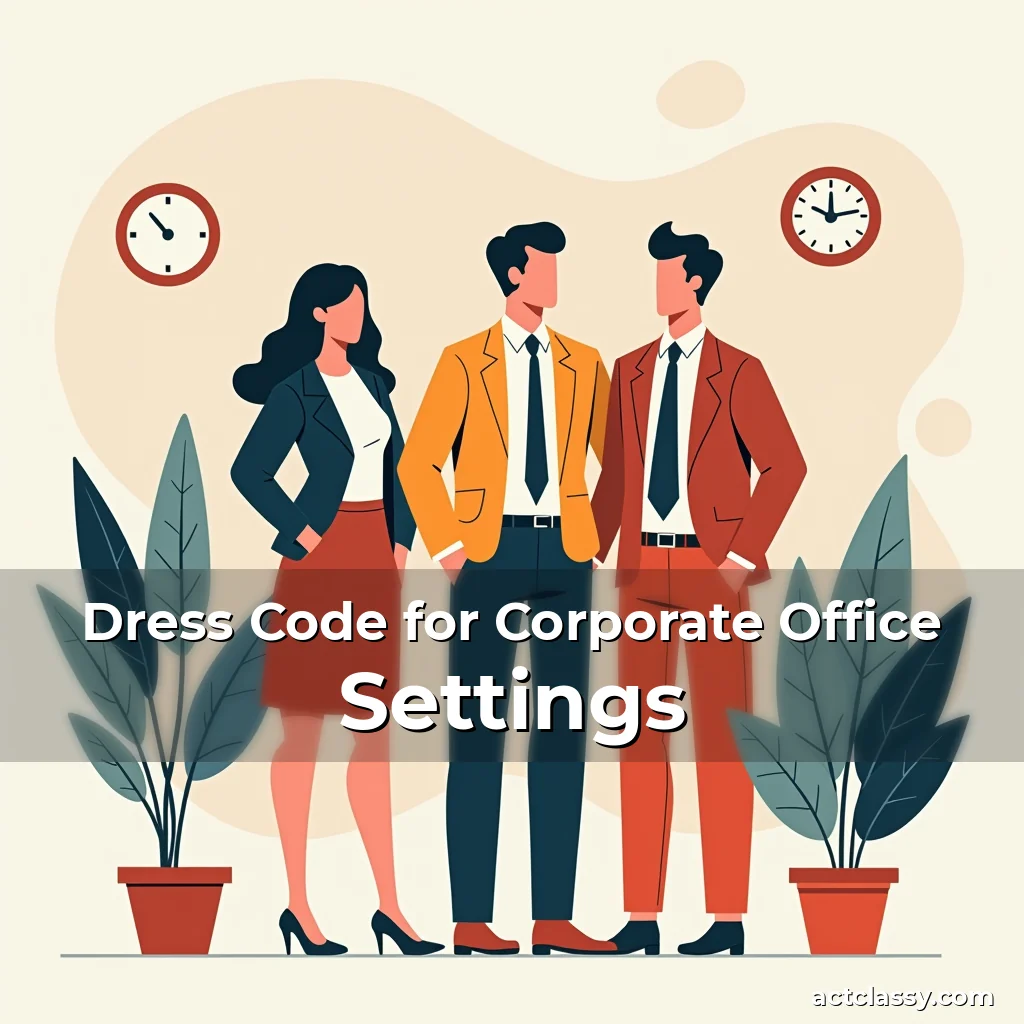
The Art of Dressing Appropriately in Professional Environments: A Comprehensive Exploration of Modern Workplace Etiquette
In an era where first impressions are often made through digital interactions, the physical presence of professionals remains crucial. While virtual meetings have become commonplace, face-to-face encounters still hold significant weight in business settings. This is where dressing appropriately becomes not just a matter of personal style but also a strategic decision that can influence career progression.
Modern workplaces present a complex tapestry of dress code expectations that vary widely depending on industry norms, company culture, and even regional influences. Understanding these nuances requires more than superficial knowledge; it demands insight into how attire communicates professionalism, competence, and respect within organizational hierarchies.
Understanding the Evolution of Workplace Attire Standards
The concept of professional dress has evolved dramatically over time. In the early 20th century, strict adherence to formal wear was mandatory across most industries. Business suits were non-negotiable for men while women typically wore tailored skirts and blouses paired with conservative accessories.
This rigid structure began shifting during the late 1960s and 1970s as social changes influenced workplace fashion trends. As corporate cultures became more progressive, so did their approach towards employee appearance policies. By the 1980s, power dressing emerged as a way for employees to assert confidence through their clothing choices.
Technology advancements in the past decade have further transformed office environments, leading to what many now refer to as “business casual.” This shift reflects changing attitudes toward comfort without compromising professionalism. However, the transition hasn’t been uniform across all sectors.
- Healthcare Professionals: Maintain traditional formalwear requirements due to infection control protocols and patient interaction needs.
- Tech Industry Employees: Often embrace relaxed standards allowing jeans and t-shirts provided they maintain a polished overall look.
Interestingly, some financial institutions continue to uphold stringent suit-and-tie mandates despite broader societal shifts away from such formality. These exceptions highlight how deeply ingrained certain expectations remain within particular professions.
Cultural differences significantly impact what constitutes appropriate work attire globally. For instance, Japanese companies tend to favor very structured uniforms whereas Scandinavian firms may prioritize functionality combined with minimalism.
Decoding Your Company’s Specific Expectations
Each organization establishes its own set of guidelines regarding acceptable workplace apparel. New hires should pay close attention to both verbal instructions given by HR departments and visual cues observed among colleagues.
It’s essential to recognize that some companies implement written dress codes detailing permissible items of clothing, while others rely solely on unwritten social contracts understood implicitly by long-term staff members. Observing senior management’s wardrobe choices provides invaluable insight into prevailing norms.
A practical strategy involves attending informational sessions before starting employment to gain clarity about expected appearances. During orientation periods, asking direct questions about acceptable attire demonstrates proactive engagement rather than indifference.
Sometimes, subtle indicators reveal unspoken rules. If you notice executives wearing ties consistently, it might signal that formal attire is preferred regardless of official policy statements suggesting otherwise.
Seasonal variations play an unexpected role too – summer months sometimes allow slightly lighter fabrics though never revealing attire. Conversely, winter seasons may necessitate additional layers without sacrificing elegance.
Navigating Hybrid Work Models and Remote Communication
The rise of hybrid work models presents new challenges when determining suitable professional attire. With increased video conferencing usage, understanding which clothes appear appropriate on camera becomes vital.
Videocalls require special consideration since lighting conditions affect fabric textures and color accuracy. Choosing garments with solid colors helps avoid distractions caused by busy patterns appearing grainy under low light settings.
Pant legs should ideally reach mid-calf length rather than ending at ankles as shorter hemlines can create unintended visual effects during movement captured by webcams.
Shirts must fit well without being overly tight nor loose enough to cause discomfort or distraction. Properly fitted tops project confidence while ensuring technical comfort necessary for extended screen time.
Accessories should complement outfits rather than overshadow them. Minimalist jewelry works best alongside professional attire used specifically for online engagements.
Global Perspectives on Remote Work Attire
Countries exhibit diverse approaches concerning remote work dress codes. In France, maintaining smart attire even from home is considered standard practice reflecting cultural values surrounding professionalism.
In contrast, American tech hubs frequently adopt casual stances permitting pajamas or sleepwear for informal calls unless specified otherwise. Such variance underscores importance of researching local customs when working internationally.
Asian markets generally adhere closer to traditional expectations meaning individuals might need to prepare more formal ensembles even for virtual meetings compared to Western counterparts.
Recognizing these international distinctions enables better preparation whenever participating in cross-border collaborations requiring consistent presentation standards irrespective of location.
Fashion Trends That Enhance Professional Image Without Overdoing It
Bold fashion statements occasionally find place within professional contexts when executed thoughtfully. Incorporating contemporary elements can refresh classic styles without veering into inappropriate territory.
For example, selecting a modern-cut blazer adds sophistication without demanding excessive formality associated with traditional three-piece suits. Pairing this with tailored trousers maintains balance between innovation and tradition.
Menswear enthusiasts could experiment with pocket squares featuring unconventional patterns while keeping other aspects conservatively styled. Women might opt for sleek pencil skirts embellished with subtle geometric designs instead of purely minimalist options.
Attention to detail matters greatly – choosing high-quality materials ensures longevity while conveying discernment about personal grooming habits. Investing in timeless pieces builds versatile wardrobes adaptable across various occasions.
However, caution against following every trending item blindly is advisable. Some fads may clash poorly with established workplace aesthetics creating confusion rather than enhancement.
Special Considerations for Executive Leadership Roles
Leadership positions demand heightened awareness about visual representation as these roles carry greater visibility within organizations. Appropriate dress reinforces authority while signaling commitment to professional excellence.
Executives should aim for consistency in appearance reinforcing reliability and trustworthiness qualities essential for effective leadership. Regularly reviewing wardrobe selections against current industry benchmarks prevents falling out of sync with evolving standards.
Men occupying executive roles benefit particularly from investing in premium quality tailoring services ensuring perfect fits enhance natural posture and poise. Well-fitted suits communicate precision and control central traits admired in leaders.
Women aspiring to leadership positions possess similar advantages through strategically chosen professional attire emphasizing strength yet remaining approachable. Opting for clean lines accompanied by elegant accessories strikes ideal equilibrium between commanding presence and warmth.
Occasional use of distinctive elements such as statement scarves or uniquely patterned ties allows expression without undermining perceived authority. The key lies in moderation ensuring individuality complements rather than competes with core responsibilities.
Celebrating Diversity Through Inclusive Dress Policies
Progressive companies increasingly recognize value inherent in embracing diversity within their workforce including sartorial expressions thereof. Implementing inclusive dress policies fosters sense belonging promoting productivity and creativity.
Inclusive practices involve acknowledging different cultural backgrounds influencing clothing preferences while respecting religious observances affecting attire choices. Providing flexible alternatives accommodates varied needs without imposing unnecessary constraints.
Some forward-thinking organizations offer stipends enabling employees customize uniforms according to personal identity markers thereby enhancing morale and loyalty. Recognizing gender fluidity expands definitions around traditional male/female attire categories opening space for authentic self-expression.
By prioritizing inclusivity, businesses cultivate environments where everyone feels respected able contribute fully leveraging full potential. This mindset extends beyond mere compliance fulfilling deeper purpose centered on human dignity and equity.
Educational initiatives explaining rationale behind inclusive policies help dispel misunderstandings ensuring all stakeholders appreciate benefits arising from such openness. Continuous evaluation keeps programs relevant responsive to emerging needs.
Preparing for Special Events Within the Workplace Context
Workplace calendars often include events ranging from client dinners to team-building activities each warranting distinct attitudinal adjustments toward dress codes. Successfully navigating these scenarios requires foresight and flexibility.
Client-facing gatherings usually call for elevated versions of regular professional attire emphasizing polish refinement. Selecting attire aligning with event specifics enhances credibility fostering positive relationships with external partners.
Internal celebrations provide opportunities showcasing personality albeit within boundaries defined by organizational ethos. Balancing fun elements with maintained professionalism ensures appropriateness across varying contexts.
Attending conferences or seminars demands research into event themes cultures guiding selection process. Matching aesthetic sensibilities improves networking effectiveness increases chances forming meaningful connections.
When uncertain about expectations, consulting with peers who’ve attended previously offers reliable guidance helping avoid missteps potentially damaging reputations or causing embarrassment situations.
Building a Versatile Wardrobe for Multiple Occasions
Investing wisely in core pieces creates foundation upon which numerous looks can be constructed adapting seamlessly between daily routines and special assignments alike. Strategic layering techniques maximize utility minimizing need for extensive storage spaces.
Neutral-colored basics serve dual purposes acting as neutral canvases onto which colorful accents can be applied selectively depending on desired effect. Maintaining neatness through careful coordination elevates ordinary combinations transforming them into stylish ensembles.
Accessorizing judiciously transforms basic outfits into standout creations adding dimension depth without overwhelming visuals. Thoughtful additions elevate overall impression reinforcing messages conveyed through body language gestures.
Selecting durable materials guarantees longevity reducing frequency replacements thus saving costs over longer term. Prioritizing versatility reduces clutter simplifying morning routine decisions drastically improving efficiency levels.
Regular maintenance schedules ensure continued performance preserving investments made in quality garments contributing positively toward professional image cultivated through attentive care routines.
Concluding Thoughts on Contemporary Workplace Dress Codes
As we navigate ever-changing landscapes characterized by technological innovations globalization pressures, maintaining awareness about evolving dress conventions proves essential for sustained success in competitive arenas.
Remaining informed about industry-specific expectations coupled with sensitivity toward multicultural realities empowers individuals make confident choices aligned with personal brand aspirations while honoring collective standards upheld within respective domains.
Ultimately, mastering artistry involved dressing professionally transcends mere adherence regulations becoming expressive manifestation identity interwoven seamlessly within broader narrative encompassing career development trajectories.
Continuously refining skills related to sartorial literacy not only strengthens immediate impressions created during initial encounters but lays groundwork for enduring legacy built through consistent demonstration of character integrity reflected visibly via conscious choices made everyday.
Embrace complexity inherent within modern professional environment viewing dress code considerations as dynamic field ripe exploration growth realizing profound impact thoughtful styling decisions exert shaping perceptions molding futures.


As someone who has always found himself involved with online media in one form or another in my career, I have developed a passion for educating myself on the latest developments in publishing and social media and try to bring my love of the medium into my numerous projects.
You May Also Like


Social Skills for Cross-Cultural Communication
Social Skills for Cross-Cultural Communication In today’s interconnected world, mastering social skills isn’t just beneficial—it’s essential. Whether navigating international business...


The Top 17 Secret Spoilers from The Amazing Spider-Man!
Being a writer for a website ON THE INTERNET OF ALL PLACES, you usually find yourself entitled to a certain...

Business Card Business Etiquette Protocol
The Unseen Power of Professional Manners in Modern Business In an era where first impressions are often digital, professional manners...
Making Powerful First Impressions in Business
Making Powerful First Impressions in Business In today’s competitive world, your first impression can determine whether doors open—or remain firmly...
Related Posts

Dining Etiquette for Job Interview Meals
Making Powerful First Impressions in Business
