

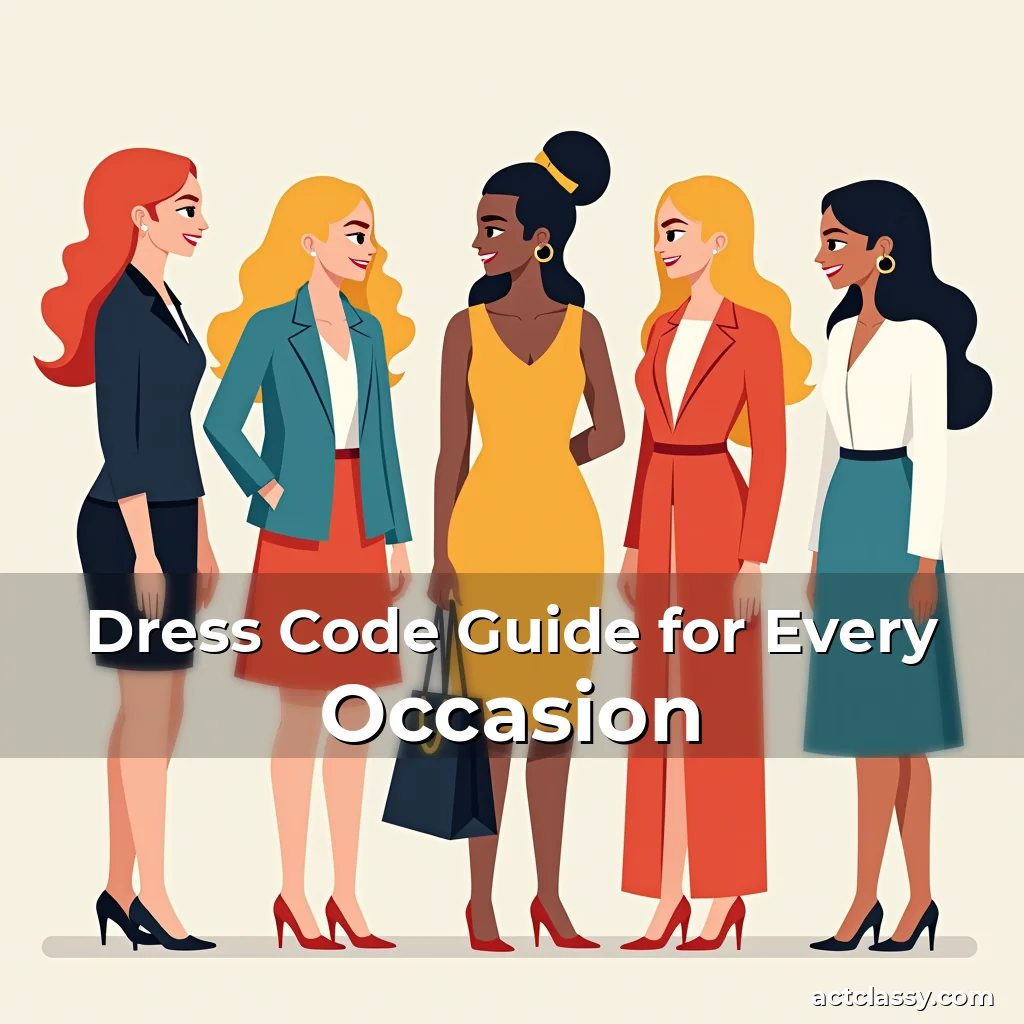
The Art of Dressing Appropriately: A Comprehensive Etiquette Guide
In today’s world of evolving fashion norms and diverse social settings, understanding dress code etiquette is essential for making a positive impression. Whether you’re attending a formal event or networking at a casual gathering, knowing what to wear can significantly impact how others perceive you.
The right attire communicates respect, professionalism, and attention to detail while the wrong choice might unintentionally convey disrespect or negligence. This guide will explore various dress code categories, provide practical examples, and offer insights that help navigate different occasions with confidence and style.
Understanding Formal Attire Requirements
Formal events demand specific clothing standards that reflect elegance and sophistication. These requirements often stem from traditions rooted in historical societal structures where appearance was closely tied to status and class distinctions.
Men typically opt for tuxedos or dark suits paired with dress shirts and ties when attending black-tie events. Women usually choose floor-length gowns made from luxurious fabrics such as silk or satin which complement the formality of these occasions.
- Tailoring matters: Well-fitted garments enhance overall presentation by creating clean lines and avoiding boxy appearances.
- Jewelry selection: Opt for minimalistic pieces that accentuate rather than overwhelm the outfit.
Shoes must be polished and appropriate; men generally wear black leather oxfords while women choose heels between three to four inches in height. Accessories should remain simple yet elegant, reinforcing the overall theme of refinement without distraction.
Avoid any casual elements like sneakers, denim jeans, or sportswear even if they are designer brands. The essence lies in maintaining an unbroken sense of formality through every detail of one’s ensemble.
Navigating Semi-Formal Events with Confidence
Semi-formal gatherings strike a balance between professional expectations and relaxed social interactions. Understanding the nuances helps avoid over-dressing or under-dressing in situations requiring moderate formality.
For men, a well-tailored suit in darker shades like navy blue or charcoal gray works beautifully with crisp white dress shirts. Adding a pocket square adds visual interest but shouldn’t overshadow other components of the outfit.
Women have several options including knee-length dresses, skirts paired with blouses, or tailored trousers with matching jackets. Fabrics should maintain some level of polish while allowing comfort during extended periods of interaction.
Select accessories wisely – scarves, belts, and statement jewelry can elevate an ensemble appropriately. Footwear remains crucial; avoid excessively high heels unless confident they’ll be comfortable throughout the event duration.
Casual vs Business Casual Dress Codes Explained
Casual environments encourage personal expression within reasonable boundaries. However distinguishing between genuinely informal settings versus those mistakenly labeled as ‘casual’ requires careful consideration.
Business casual presents challenges due its subjective nature across industries and cultures. While some workplaces accept slacks and button-down shirts, others may consider them too formal compared to relaxed office policies favoring khakis and polo shirts.
- Industry specifics: Tech companies often embrace casual styles whereas financial institutions tend toward more conservative approaches.
- Regional differences: What constitutes business casual varies considerably between urban centers and smaller towns.
When uncertain always err slightly on the side of conservatism especially when entering new organizations or attending inter-office meetings involving senior management personnel.
Accessories play a vital role here too – minimalist watches, understated rings, and neat hairstyles contribute positively towards maintaining professionalism without feeling overly restricted.
Smart Casual: Bridging Gaps Between Styles
Smart casual offers versatility by merging elements of both formal and relaxed dressing philosophies. It provides flexibility suitable for numerous scenarios ranging from weekend brunches to mid-week client lunches.
For men smart casual might involve chinos paired with a knit shirt or unstructured jacket. Women could opt for linen pants with tucked-in blouses or midi dresses featuring subtle patterns.
Fabric choices matter greatly – natural fibers like cotton blends appear more refined than synthetic materials which can look cheaply made regardless of brand reputation.
Footwear preferences shift accordingly; loafers work better than sneakers although stylish sneakers might occasionally fit depending upon context and company culture tolerance levels.
Seasonal Considerations for Dress Codes
Weather conditions inevitably influence clothing choices despite established guidelines regarding appropriate attire. Adapting outfits based on temperature changes ensures comfort while respecting expected standards.
In colder months layering becomes necessary but done thoughtfully so that warmth doesn’t compromise aesthetics. Cashmere scarves, wool coats, and leather gloves add sophistication rather than appearing bulky or disheveled.
Summer calls for lighter fabrics such as linen or cotton which allow breathability without sacrificing elegance. Light-colored suits become acceptable alternatives provided they aren’t considered too summery for particular events.
Rainy weather demands special attention – waterproof outerwear should match the tone of occasion whether choosing classic trench coats for formal settings or lightweight raincoats for more relaxed contexts.
Color Psychology in Dress Code Selections
Colors carry emotional connotations that affect first impressions and interpersonal dynamics. Choosing hues intentionally enhances communication effectiveness beyond mere visual appeal.
Dark colors like navy blue and deep burgundy exude authority and reliability making them ideal for professional settings. Neutrals such as beige and grey promote approachability without being overpowering.
Brighter tones like red or orange signify energy and passion potentially useful for creative fields though caution advised against using them professionally unless aligning with brand identity specifically.
Pastel shades create softness and calmness beneficial during interviews or initial meetings aimed at establishing trust relationships. Personal color analysis can further refine selections ensuring optimal harmony with individual features.
Occasion-Specific Guidelines: Weddings & Funerals
Wedding attendance necessitates sensitivity towards cultural customs surrounding attire restrictions particularly concerning religious ceremonies held in sacred spaces.
Funeral attire emphasizes solemnity through muted palettes and subdued textures avoiding anything flashy or celebratory in nature. Black remains traditional but alternatives exist showing respect without excessive uniformity.
Some weddings impose strict rules about sleeve length, neckline depth, or footwear types therefore researching ahead proves invaluable before finalizing decisions.
Grooms often face additional scrutiny regarding their attire needing to coordinate visually with bridesmaids and flower girls while maintaining distinctiveness relative to wedding party members.
Corporate Event Etiquette: Board Meetings to Networking Mixers
Boardroom settings require utmost professionalism reflecting organizational values through sartorial choices. Even slight deviations risk conveying messages contrary to intended corporate image.
Networking mixers present opportunities for calculated self-presentation balancing approachability with competence indicators via well-chosen ensembles that facilitate meaningful connections.
Consistency across teams fosters cohesion enhancing collective presence during joint presentations or public engagements representing shared institutional ethos effectively.
Personal branding aspects come into play here enabling individuals to showcase personality traits aligned with career goals strategically through curated wardrobes designed for impact.
Travel Etiquette: Airports, Hotels, and Cultural Sensitivities
International travel demands awareness of local customs influencing perceptions around appropriateness of clothing styles irrespective of personal comfort zones.
Airport security procedures sometimes lead passengers wearing certain items encountering delays hence preparing versatile wardrobe solutions minimizes potential disruptions affecting travel experiences negatively.
Hotel lobbies frequently serve as mini-societies where guests interact thus presenting oneself competently supports smooth check-ins and creates favorable initial encounters with staff members.
Cultural sensitivities extend globally – head coverings, modesty requirements, or prohibitions against revealing attire vary widely requiring thorough research prior visiting unfamiliar destinations.
Building Your Professional Wardrobe Strategically
Evaluating current collection identifies gaps needing replenishment while eliminating outdated pieces frees up space for newer acquisitions reflecting contemporary trends accurately.
Investment pieces last longer offering value for money through frequent use across multiple occasions thereby maximizing return on investment efficiently.
Mix-and-match principles reduce need for extensive variety promoting cost-effectiveness while increasing utility derived from existing inventory.
Quality over quantity mindset encourages purchasing fewer higher-standard items ensuring longevity reducing environmental waste associated with fast fashion consumption habits.
The Role of Accessories in Elevating Outfits
Accessories transform basic combinations into memorable looks amplifying key characteristics chosen deliberately according to desired outcomes.
Belts define waistlines adding structure to looser silhouettes simultaneously serving functional purposes keeping garments securely positioned properly.
Scarves introduce textural contrast complementing monochrome schemes subtly while providing insulation benefits against cooler temperatures effectively.
Jewelry balances scale by either emphasizing focal points or distributing visual weight evenly preventing overwhelming effects disrupting harmonious compositions created carefully beforehand.
Etiquette Around Altering Clothing Items
Modifications should never jeopardize integrity of original design compromising structural soundness or aesthetic coherence unnecessarily altering fundamental aspects defining character of piece itself.
Custom alterations prove wise investments preserving quality fabric textures intact ensuring finished product maintains premium feel synonymous with bespoke tailoring traditionally associated exclusively with luxury markets historically.
Professional seamstresses possess expertise handling delicate materials safely executing precise adjustments required achieving perfect fit without damaging intricate detailing integral component parts responsible giving garment uniqueness standing out among mass-produced imitations readily available everywhere nowadays unfortunately.
Always request clear documentation outlining modifications performed facilitating future repairs maintaining continuity across lifespan of item owned ensuring ongoing satisfaction from continued usage consistently meeting expectations initially envisioned upon acquisition decision made earlier permanently impacting personal wardrobe development trajectory subsequently.
Conclusion
This guide has explored the complexities of modern dress codes highlighting importance of situational awareness combined with thoughtful preparation enabling successful navigation through multifaceted worlds demanding varied stylistic responses.
By applying these principles consciously you empower yourself to make impactful statements effortlessly wherever life takes you next whether celebrating joyous milestones or honoring somber moments remembering always that appearance speaks volumes long before words ever get spoken aloud.


As someone who has always found himself involved with online media in one form or another in my career, I have developed a passion for educating myself on the latest developments in publishing and social media and try to bring my love of the medium into my numerous projects.
You May Also Like


Luxury Lifestyle Brands Worth the Investment
The Epitome of Elegance: Unveiling Timeless Luxury Lifestyle Brands In today's fast-paced world, true luxury is not merely defined by...
Cocktail Party Thank You Note Guidelines
The Art of Cocktail Party Etiquette: Navigating Social Sophistication with Grace In today's fast-paced world, cocktail parties remain an enduring...

Seasonal Style Advice for Every Wardrobe
Mastering Timeless Elegance: A Seasonal Style Guide for Discerning Dressed Professionals In an era where fashion trends shift rapidly, maintaining...

Executive Networking Skills and Relationships
Mastering Executive Networking in High-Stakes Environments In today's interconnected business world, executive networking is no longer optional—it’s essential for career...
Related Posts

Luxury Lifestyle Services and Concierge

Formal Event Invitations: Wording and Design