

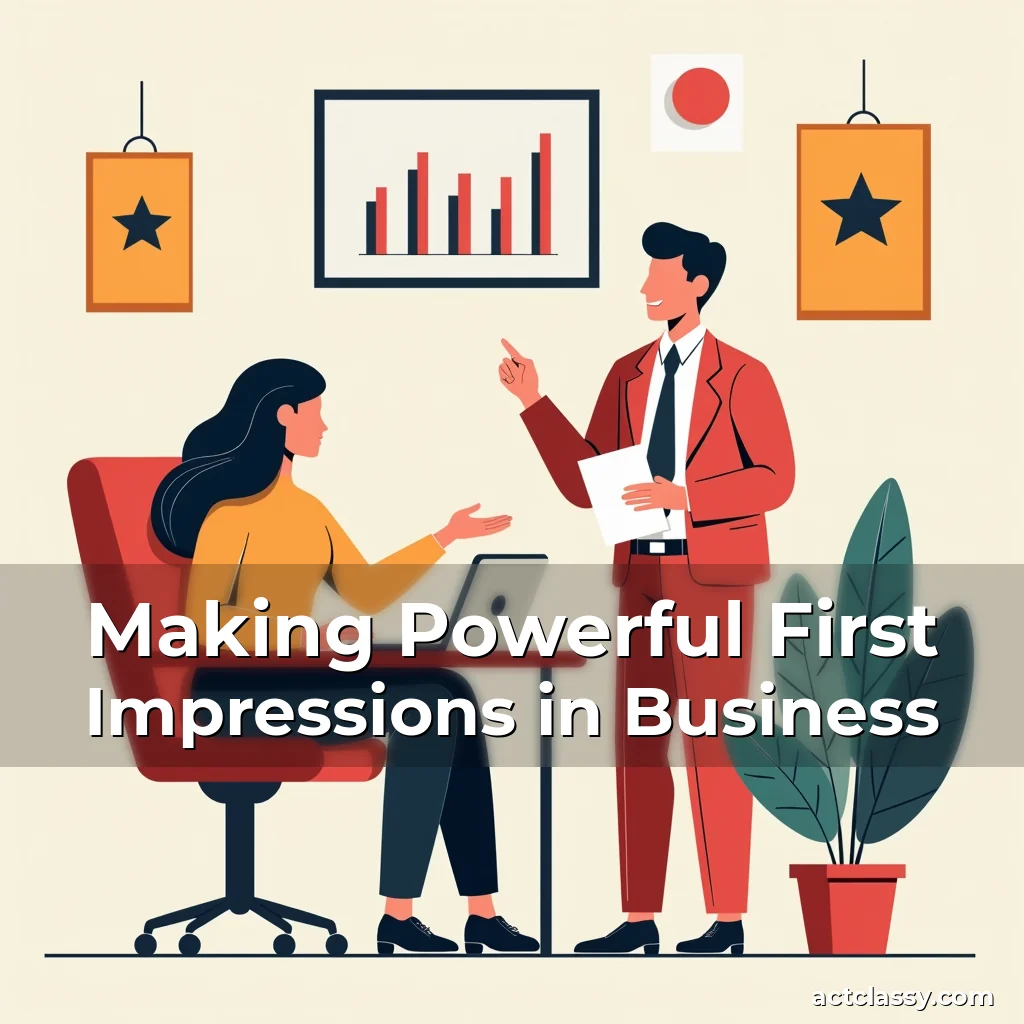
Making Powerful First Impressions in Business
In today’s competitive world, your first impression can determine whether doors open—or remain firmly closed. Whether meeting clients, joining a new team, or attending a high-stakes event, the way you present yourself sets the tone for future interactions. These initial moments are fleeting yet profoundly influential.
The art of creating a powerful first impression isn’t about perfection; it’s about intentionality. By mastering subtle nuances in appearance, communication, and demeanor, professionals can leave lasting marks that elevate their credibility, trustworthiness, and appeal. This guide explores strategies to refine your approach and stand out in meaningful ways.
The Psychology Behind First Impressions
Your brain processes information about strangers in milliseconds, forming judgments based on visual cues, vocal tones, and behavioral patterns. Studies show that these snap assessments are often irreversible, shaping perceptions long before meaningful dialogue occurs.
This phenomenon stems from evolutionary instincts designed to quickly identify potential allies or threats. In modern contexts, however, these automatic reactions can work both for and against you, depending on how deliberately you craft your presence.
Research conducted by Dr. Nalini Ambady at Harvard University revealed that participants could accurately judge a speaker’s competence and likability after watching just ten seconds of video footage. This underscores the urgency of refining every aspect of your self-presentation.
Understanding this science empowers you to control the narrative. By aligning your actions with positive stereotypes associated with success—such as confidence, poise, and attentiveness—you increase the likelihood of favorable outcomes.
- Primacy Effect: The tendency to remember early information more vividly influences how people recall your traits long after the encounter.
- Social Judgment Theory: People form opinions based on observable behaviors, making consistency in your demeanor crucial for building trust.
Curating Your Visual Identity
Appearance plays a pivotal role in first impressions, acting as a silent communicator that conveys professionalism, reliability, and personality. While style choices vary across industries, there are universal principles that enhance your visual impact.
Clothing serves as an immediate indicator of respect for the situation and the person you’re interacting with. Investing in well-fitted garments that reflect your field’s standards demonstrates preparedness and attention to detail.
Grooming extends beyond cleanliness—it encompasses hairstyles, nail care, and accessories that reinforce your brand. For example, a polished manicure paired with minimalist jewelry exudes sophistication, whereas disheveled hair or mismatched socks may signal negligence.
Color psychology adds another layer to this equation. Neutral shades like navy blue or charcoal gray project authority, while strategic pops of color can highlight creativity or energy. Choose hues that resonate with your message and audience.
Mastering Nonverbal Cues
Nonverbal communication accounts for approximately 55% of total messaging effectiveness, according to Albert Mehrabian’s groundbreaking research. From facial expressions to hand movements, these unspoken signals either amplify or undermine your spoken words.
Eye contact is a cornerstone of confident engagement. Maintaining steady gaze shows openness and sincerity, though excessive staring can feel intimidating. Learn to balance intensity with warmth, adjusting based on cultural norms and individual comfort levels.
Gestures should complement rather than distract from your message. Open-handed motions invite collaboration, while pointing fingers or rapid arm swings come off as aggressive. When in doubt, let your hands rest naturally at your sides or use minimal, purposeful movement.
The Impact of Microexpressions
Microexpressions—brief, involuntary facial expressions—reveal true emotions in less than half a second. Smiles, furrowed brows, or raised eyebrows can betray nervousness, skepticism, or surprise, even when consciously masked.
Becoming aware of these fleeting signs allows you to manage them proactively. Practicing mindfulness through meditation or recording mock interactions helps identify unconscious habits that might unintentionally mislead others.
For instance, if you notice frequent lip biting during presentations, it may indicate anxiety. Replacing this habit with deliberate breathing exercises or finger tapping can redirect focus away from internal stressors toward outward calm.
Honing Verbal Precision
Vocal delivery carries equal weight to physical presentation. Clarity, pace, volume, and intonation collectively influence how your words are received and interpreted. Refining these elements ensures your voice becomes an asset rather than a liability.
Talking too fast risks losing listeners, while speaking too slowly can imply uncertainty. Aim for a measured cadence that matches the conversation’s rhythm, pausing thoughtfully to emphasize key points. Avoid filler words like “um” or “uh,” which erode perceived competence.
Voice modulation prevents monotony and keeps audiences engaged. Vary pitch slightly to express enthusiasm or concern, and modulate loudness based on context—for example, lowering your tone for confidentiality discussions or raising it to command attention in group settings.
Choosing the right vocabulary reflects your knowledge level and adaptability. While jargon can demonstrate expertise, overuse alienates listeners unfamiliar with specialized terms. Strive for accessibility without sacrificing precision, tailoring your lexicon to match your audience’s comprehension level.
Building Authentic Connections
A compelling first impression relies heavily on authenticity. Pretending to be someone you’re not creates unsustainable tension, whereas embracing your genuine qualities fosters organic rapport. People respond positively to honesty—even when it involves acknowledging areas for growth.
Showcasing vulnerability appropriately humanizes you, making interactions feel more relatable. Sharing relevant anecdotes or admitting past challenges builds bridges of mutual understanding, especially in collaborative environments.
Active listening is equally vital. Giving full attention through nodding, paraphrasing, and asking clarifying questions signals respect and deepens connections. Resist the urge to interject prematurely; instead, wait until the speaker finishes before offering input.
Personalized touchpoints, such as referencing shared interests or recent achievements, distinguish you from generic encounters. A simple comment like, “I appreciated reading about your work on sustainable design last week,” demonstrates initiative and genuine curiosity.
Leveraging Digital Presence
In our hyperconnected era, online personas play an increasingly significant role in shaping first impressions. Platforms like LinkedIn, Instagram, and Twitter serve as virtual extensions of your real-world identity, requiring careful curation.
Your profile photos should mirror your professional image, avoiding informal snapshots or candid selfies that don’t align with career goals. Opt for headshots taken in natural light, wearing attire consistent with your industry’s standards.
Professional bios benefit from brevity and specificity. Instead of vague statements like “passionate about innovation,” quantify accomplishments: “Led cross-functional teams to deliver five successful product launches within 18 months.”
Engagement patterns reveal much about character. Regularly sharing insightful articles, commenting on peers’ posts, and participating in relevant discussions position you as an informed contributor rather than passive observer.
Navigating Cross-Cultural Dynamics
Globalization demands heightened awareness of cultural differences impacting first impressions. What constitutes respectful behavior in one region may be perceived as rude in another, necessitating sensitivity and flexibility.
Greetings vary widely—from formal bows in Japan to cheek kisses in France. Research local customs beforehand, erring on the side of caution by adopting neutral alternatives like a firm handshake unless otherwise advised.
Dress codes differ significantly across cultures. While conservative attire is expected in many Middle Eastern countries, more casual approaches prevail in Scandinavian nations. Always prioritize modesty and appropriateness relative to the setting.
Table manners also require adaptation. In some Asian cultures, leaving food untouched signifies disrespect, whereas in Western contexts, finishing your plate indicates enjoyment. Observe others’ behaviors closely to avoid inadvertent faux pas.
Fostering Lasting Impression Through Follow-Up
An exceptional first impression doesn’t end with the initial interaction—it continues through thoughtful follow-through. Sending personalized thank-you notes, scheduling subsequent meetings, or sharing useful resources reinforces your commitment and professionalism.
Email subject lines deserve particular attention. Rather than generic “Thank You,” tailor messages to reference specific discussion points: “Appreciate Our Conversation About AI Integration Strategies—Looking Forward to Exploring Ideas Further.”
Timing is crucial in post-meeting communications. Send correspondence within 24 hours to capitalize on fresh memories, ensuring your message remains top-of-mind. Delayed responses risk diluting the connection made initially.
Consistency across channels strengthens recognition. If you discussed a particular project during lunch, later mentioning related developments via LinkedIn or email creates continuity that enhances your visibility and relevance.
Continuous Improvement Through Feedback
No one achieves flawless first impressions overnight; mastery requires ongoing refinement. Seeking constructive criticism from trusted mentors, colleagues, or coaches provides invaluable perspective on blind spots.
Video recordings offer objective insight into your performance. Analyze body language, speech patterns, and overall composure to pinpoint areas needing adjustment. Pay special attention to microexpressions that contradict intended messages.
Keeping a reflection journal encourages mindful practice. Note situations where your approach succeeded or faltered, identifying recurring themes that inform future improvements. Celebrate progress while remaining humble about room for development.
Embracing feedback gracefully demonstrates maturity and openness to growth. Responding to critiques with gratitude (“Thank you for taking the time to share your thoughts—I appreciate the opportunity to learn”) reinforces professionalism and receptivity.
Conclusion
Making powerful first impressions is neither luck nor magic—it’s a skill honed through awareness, preparation, and practice. Every element of your self-presentation contributes to the cumulative effect of how others perceive you professionally.
By integrating these strategies into daily routines, you transform first encounters into opportunities for meaningful connections. Remember: the goal isn’t to impress everyone, but to consistently uphold standards of excellence that attract the right people into your orbit.


As someone who has always found himself involved with online media in one form or another in my career, I have developed a passion for educating myself on the latest developments in publishing and social media and try to bring my love of the medium into my numerous projects.
You May Also Like


Social Graces for Executive Leadership
Social Graces for Executive Leadership In today’s fast-paced professional world, mastering social graces isn’t merely about politeness—it’s a strategic advantage...

Elegance vs Fashion: Timeless Style Principles
Elegance vs Fashion: Timeless Style Principles In an age where fast fashion dominates runways and social media trends dictate what...

Public Speaking for Leadership Roles
The Art of Commanding an Audience: Mastering Public Speaking in Modern Leadership In today's fast-paced professional world, public speaking is...

Personal Style Advice for Career Success
Elevating Professional Presence Through Timeless Style In today’s competitive world, your personal style speaks volumes before you even open your...
Related Posts

Improving Your Body Language Awareness

Children's Fine Dining Manners Training