
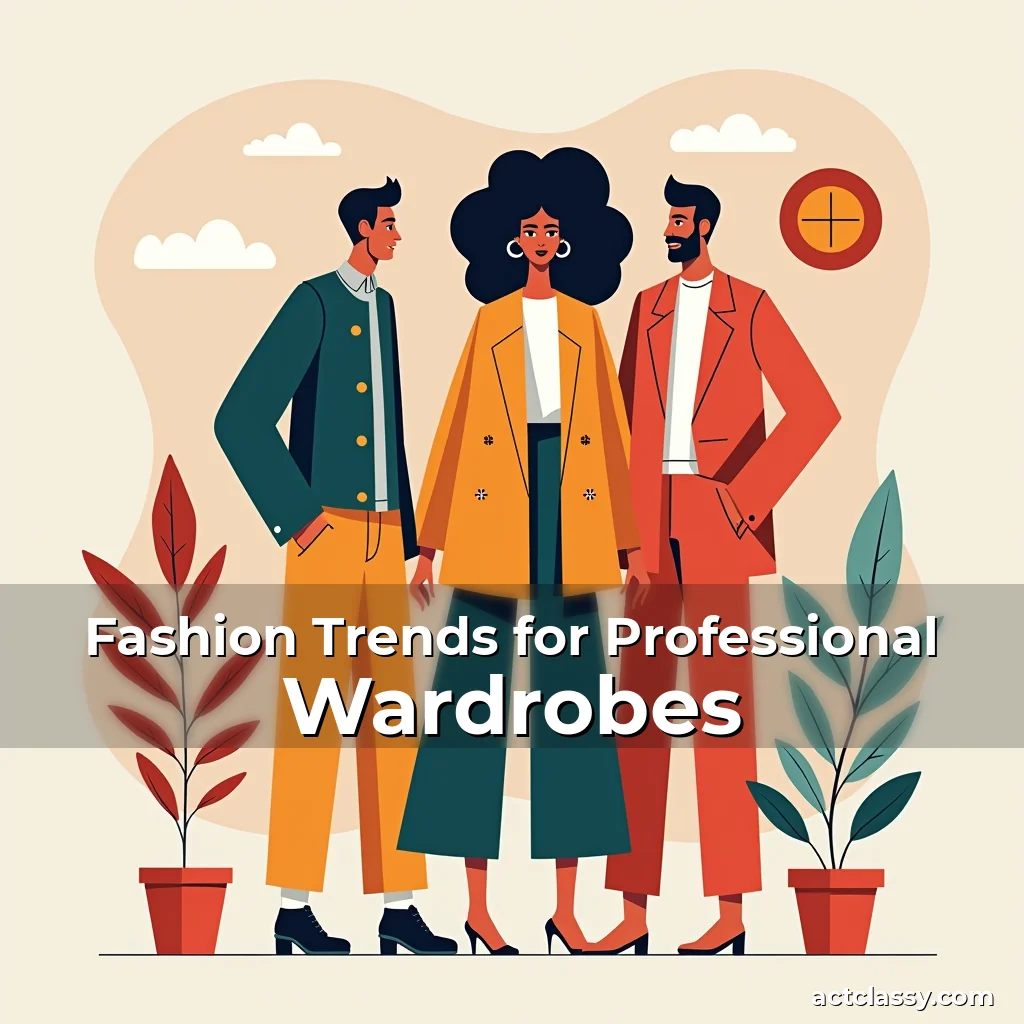
The Evolving Landscape of Professional Fashion in Modern Etiquette
In an era where professional environments are increasingly influenced by global cultural exchanges and technological advancements, fashion has become a critical element of personal branding. The intersection of elegance and functionality defines today’s professional wardrobe.
This dynamic landscape demands that professionals stay informed about emerging styles while maintaining timeless principles of sophistication and appropriateness. Understanding current trends empowers individuals to project confidence and competence through their attire.
Elevating Corporate Attire Through Timeless Elements
The foundation of any successful professional wardrobe lies in mastering classic pieces that transcend fleeting fads. A well-tailored blazer remains an indispensable staple across industries and cultures.
Crisply pressed trousers in neutral tones offer versatility, seamlessly transitioning from boardroom meetings to client dinners without requiring significant alterations. These fundamental components create a strong base upon which contemporary elements can be artfully layered.
- Tailoring precision: Properly fitted garments enhance posture and convey professionalism through meticulous attention to detail.
- Neutral color palettes: Shades like charcoal gray, navy blue, and camel provide adaptability across different office settings and seasonal changes.
Investing in high-quality fabrics such as wool blends and cotton-rich materials ensures longevity while maintaining comfort during long workdays. These choices reflect both practicality and discernment in sartorial selection.
Integrating Contemporary Silhouettes with Traditional Elegance
Modern fashion trends have introduced innovative silhouettes that maintain professional integrity while offering fresh visual appeal. Structured yet streamlined jackets now incorporate subtle design elements that elevate traditional business wear.
Pleated skirts paired with tailored tops present a sophisticated alternative to conventional pantsuits, particularly suitable for creative fields and corporate environments embracing progressive aesthetics. This balance between innovation and tradition allows professionals to express individual style responsibly.
For men, slim-fit suits with slightly tapered trousers have gained prominence, emphasizing proportionality while retaining the crispness associated with formal attire. These adaptations demonstrate how evolution in fashion can coexist with established standards of decorum.
Color Theory in Professional Dress Codes
Selecting appropriate colors is crucial for projecting the right image within professional contexts. While monochromatic schemes remain effective, strategic use of accent colors can add depth to one’s appearance.
Bold hues like emerald green or deep burgundy may be incorporated through accessories such as scarves or statement shoes when adhering to relaxed dress codes. Such touches allow for personal expression without compromising professionalism.
Understanding color psychology helps in making informed decisions; cooler shades often convey reliability, whereas warmer tones suggest approachability and warmth. This knowledge enables individuals to curate outfits aligned with desired workplace personas.
Mixing Textures for Dimensional Impact
Creating visually interesting ensembles involves thoughtfully combining different fabric textures. Pairing smooth silk shirts with structured wool blazers produces striking contrast that enhances overall presentation.
Knitwear offers another dimension through its tactile qualities; chunkier knits can be balanced with sleek leather accents to achieve harmony in texture variation. This technique adds complexity without appearing overly complicated.
When selecting patterns, opt for complementary rather than clashing designs. Subtle checks or herringbone weaves pair beautifully with solid-colored outer layers, creating depth while maintaining professionalism.
The Role of Accessories in Refining Professional Appearance
Accessories serve as powerful tools for elevating basic outfits and expressing personality within appropriate boundaries. Selecting quality timepieces and refined handbags establishes credibility and attention to detail.
Sophisticated footwear completes the ensemble effectively; polished oxfords for men and elegant flats for women ensure comfort combined with stylistic refinement. Choosing accessories that match in tone and material creates cohesive looks that reinforce professional identity.
Jewelry should be understated but meaningful, avoiding excessive ornamentation that might detract from one’s professional demeanor. Delicate gold or platinum pieces complement most wardrobes while adding a touch of refinement.
Adapting Fashion Choices Across Global Work Environments
Navigating international workplaces requires sensitivity to regional dress norms while maintaining core professional standards. Researching local customs regarding modesty and formality prevents unintentional missteps.
In some cultures, conservative attire is expected even in modern offices, necessitating adjustments to standard Western business wear. Conversely, other regions embrace bolder expressions within professional settings, allowing greater flexibility in styling choices.
Language barriers make non-verbal communication through clothing especially important. Appropriate dressing fosters positive first impressions and facilitates smoother interactions across diverse professional landscapes.
Seasonal Transitions in Professional Styling
As seasons change, adapting one’s wardrobe maintains both comfort and appropriateness in professional settings. Layering techniques enable seamless transitions between temperature variations while preserving stylish coherence.
Lightweight cashmere sweaters over button-down shirts provide warmth without bulkiness, ideal for transitional weather periods. These versatile additions extend the usability of core wardrobe staples across varying climates.
Choosing breathable fabrics for warmer months ensures comfort without sacrificing professional polish. Linen blends and cotton poplins offer lightness while maintaining the structure required for formal occasions.
Digital Influence on Workplace Apparel Standards
The rise of remote work and digital communication has subtly reshaped expectations around professional dress. While physical presence requirements vary, maintaining a curated online persona through video calls influences perceptions significantly.
Virtual backgrounds and lighting conditions affect how attire appears on camera, necessitating careful consideration of fabric sheens and color saturation. Ensuring visibility and clarity in virtual presentations reinforces professional competence.
Hybrid work models require adaptable styling solutions that function equally well in home offices and traditional workplaces. Versatile pieces that transition smoothly between these environments maximize efficiency and minimize outfit-related stress.
Conclusion
Mastering professional fashion involves balancing evolving trends with enduring principles of elegance and appropriateness. Thoughtful integration of new styles with classic foundations creates distinctive yet respectful appearances.
By staying attuned to both industry-specific guidelines and broader aesthetic movements, professionals can cultivate wardrobes that reflect their identities while meeting occupational expectations. Continuous learning about fashion developments ensures sustained relevance and confidence in various professional contexts.


As someone who has always found himself involved with online media in one form or another in my career, I have developed a passion for educating myself on the latest developments in publishing and social media and try to bring my love of the medium into my numerous projects.
You May Also Like


Professional Behavior During Business Travel
The Art of Professional Conduct: Mastering Etiquette in the Modern Workplace In today's fast-paced corporate world, professional behavior is not...

Business Casual Dress Code Decoded
The Elegant Balance: Understanding Modern Dress Codes Across Social & Professional Contexts In today’s ever-evolving world of social interaction and...
First Impressions for Online Dating
Mastering First Impressions in Digital Romance: Etiquette Essentials for Modern Relationships In today’s fast-paced world, first impressions during online dating...
Business Professional Dress Code Standards
The Evolution and Nuances of Modern Dress Codes Across Professions and Social Settings In an era where personal expression often...
Related Posts
Fashion Trends for Mature Women
Hosting Etiquette Thank You and Follow-Up