


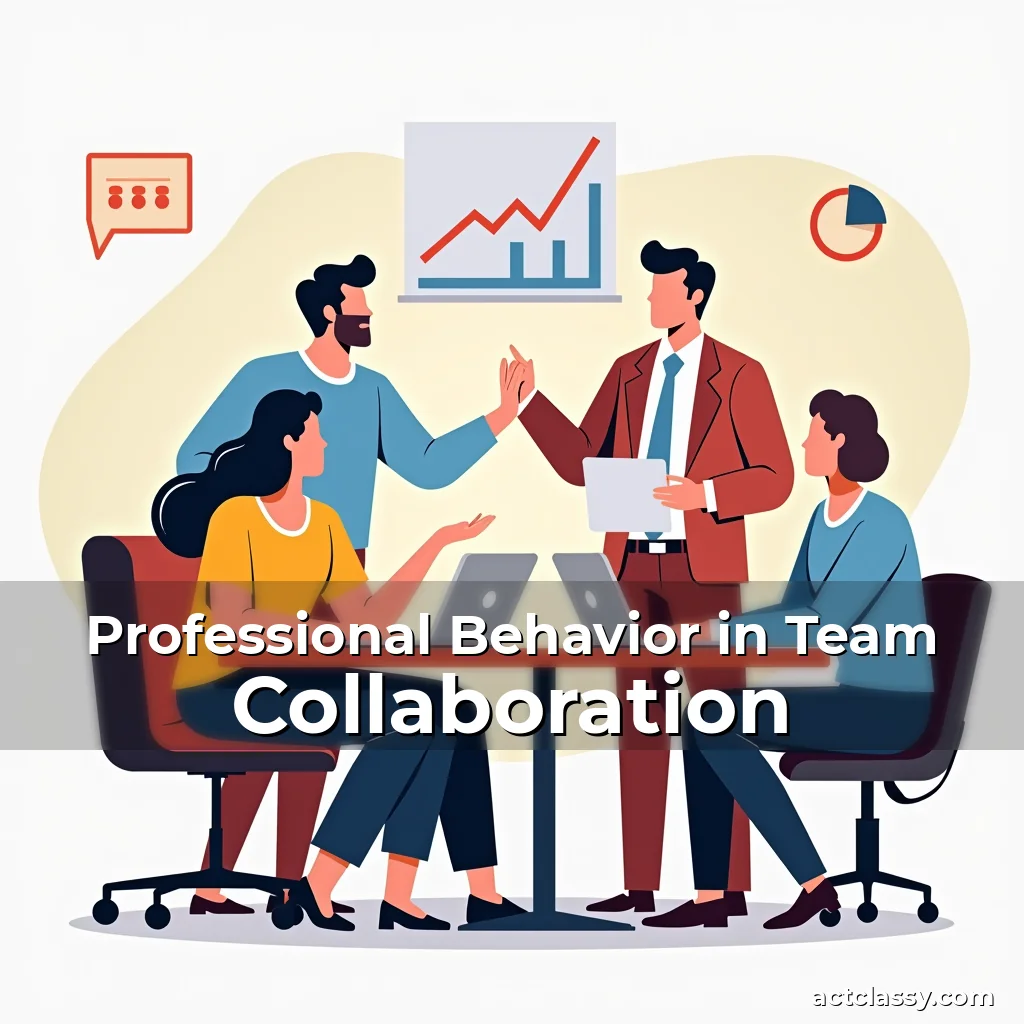
The Art of Professional Conduct: Mastering Etiquette in Modern Workplaces
In today’s fast-paced professional landscape, maintaining exemplary conduct is not merely an option—it’s a necessity that defines career trajectories and workplace harmony. From boardrooms to virtual meetings, how individuals present themselves influences both personal success and organizational culture.
This guide explores the multifaceted dimensions of professional behavior, focusing specifically on team collaboration dynamics where etiquette becomes the silent partner in productivity. By understanding these principles, professionals can navigate complex interpersonal relationships with grace and effectiveness.
Fostering Respect Through Active Listening
Active listening forms the bedrock of effective communication within any collaborative environment. It involves fully concentrating on what another person is saying rather than formulating your next response while they speak.
This practice demonstrates respect for colleagues’ perspectives and fosters trust among team members. When employees feel heard, they are more likely to contribute meaningfully to discussions and projects.
Implementing active listening techniques such as paraphrasing key points or asking clarifying questions reinforces comprehension and ensures accurate information exchange.
- Maintain eye contact: This nonverbal cue signals engagement and attentiveness during conversations.
- Avoid interruptions: Letting others finish their thoughts before responding promotes thoughtful dialogue.
Cultivating an atmosphere where everyone feels valued through attentive listening creates a foundation for successful teamwork and innovation.
Building Trust With Reliability and Accountability
Reliability serves as the cornerstone upon which trust is built in professional settings. Consistently meeting deadlines, fulfilling commitments, and owning up to mistakes establish credibility and foster long-term partnerships.
When team members know they can depend on each other, collaboration becomes seamless and efficient. This sense of security enables risk-taking and creative problem-solving without fear of failure.
Honesty in acknowledging errors and taking corrective action strengthens accountability frameworks within organizations. It also sets a positive example for others to follow.
Developing habits around punctuality, transparency, and consistent performance contributes significantly to building a trustworthy work environment.
Effective Communication Strategies For Teams
Clear communication prevents misunderstandings and streamlines workflow processes across departments. Utilizing appropriate language tailored to different audiences enhances message clarity and impact.
Varying communication styles—whether formal emails, instant messaging platforms, or face-to-face meetings—ensures messages reach intended recipients effectively based on context and urgency.
Encouraging open channels of communication encourages feedback loops that help identify issues early and implement solutions collaboratively.
Regular check-ins between managers and direct reports maintain alignment on goals and expectations, preventing miscommunication from derailing progress.
Navigating Workplace Conflicts Gracefully
Conflicts inevitably arise in collaborative environments due to differing opinions or competing priorities. Handling them constructively maintains professionalism while seeking resolutions that benefit all parties involved.
Approaching conflicts with empathy allows for better understanding of underlying concerns beyond surface-level disagreements. This perspective facilitates finding common ground even when views differ significantly.
Using “I” statements instead of accusatory language reduces defensiveness and keeps dialogues focused on resolving problems rather than assigning blame.
Establishing clear conflict resolution protocols provides teams with structured approaches to address disputes promptly and fairly.
Cultivating Positive Body Language In Interactions
Non-verbal cues play a crucial role in conveying confidence and openness during interactions. Maintaining good posture, making appropriate eye contact, and using gestures purposefully enhance message delivery.
Positive body language includes nodding in agreement, smiling genuinely at appropriate times, and mirroring others’ postural cues to build rapport naturally.
Being mindful of physical proximity helps prevent discomfort; keeping an arm’s length distance typically maintains comfort levels in most professional situations.
Training sessions focused on improving awareness of non-verbal communication can greatly enhance interpersonal skills essential for modern workplaces.
Adapting To Diverse Cultural Norms Professionally
Globalization has made cultural sensitivity increasingly vital in professional environments. Understanding and respecting diverse backgrounds fosters inclusivity and minimizes potential misunderstandings.
Different cultures have varying norms regarding hierarchy, decision-making processes, and expressions of gratitude or disagreement. Being aware of these differences prevents unintentional offenses.
Researching cultural practices beforehand when working with international clients or partners shows respect and increases chances of successful collaborations.
Promoting diversity training programs equips employees with knowledge necessary to interact respectfully across various cultural contexts professionally.
Embracing Continuous Learning And Growth Mindset
A commitment to continuous learning distinguishes top performers who thrive amidst change. Staying updated with industry trends, acquiring new skills, and seeking mentorship opportunities drive sustained growth.
Growth mindset encompasses viewing challenges as opportunities for development rather than obstacles. This attitude fuels resilience against setbacks and propels forward momentum towards achieving objectives.
Engaging in peer reviews or cross-functional projects exposes individuals to fresh ideas and methodologies that enrich overall capabilities.
Celebrating small victories along the journey motivates continued effort toward mastering professional behaviors associated with excellence in teamwork scenarios.
Conclusion
Mastering professional behavior requires dedication to refining soft skills alongside technical expertise. These competencies create synergies that elevate individual contributions and collective achievements alike.
By consistently applying these strategies—active listening, reliability, clear communication, graceful conflict resolution, positive body language, cultural adaptability, and lifelong learning—professionals lay solid foundations for enduring careers marked by integrity and influence.


As someone who has always found himself involved with online media in one form or another in my career, I have developed a passion for educating myself on the latest developments in publishing and social media and try to bring my love of the medium into my numerous projects.
You May Also Like


Body Language Signals of Deception
Body Language Signals of Deception In today’s socially conscious world, understanding subtle nonverbal cues is crucial for navigating relationships, business...

Body Language in Different Cultures
The Silent Symphony: Decoding Body Language Across Cultures In our globally connected world, understanding body language is essential for effective...

Modern Etiquette for LGBTQ+ Interactions
Modern Etiquette for LGBTQ+ Interactions In today’s increasingly diverse world, understanding how to interact respectfully with members of the LGBTQ+...

Quality Wardrobe Essentials Worth the Investment
Quality Wardrobe Essentials Worth the Investment In an era where fast fashion dominates retail shelves and trends change by the...
Related Posts

Professional Behavior for Remote Workers

The Elegant Art of Dining Etiquette: Mastering Table Manners for Every Occasion
