

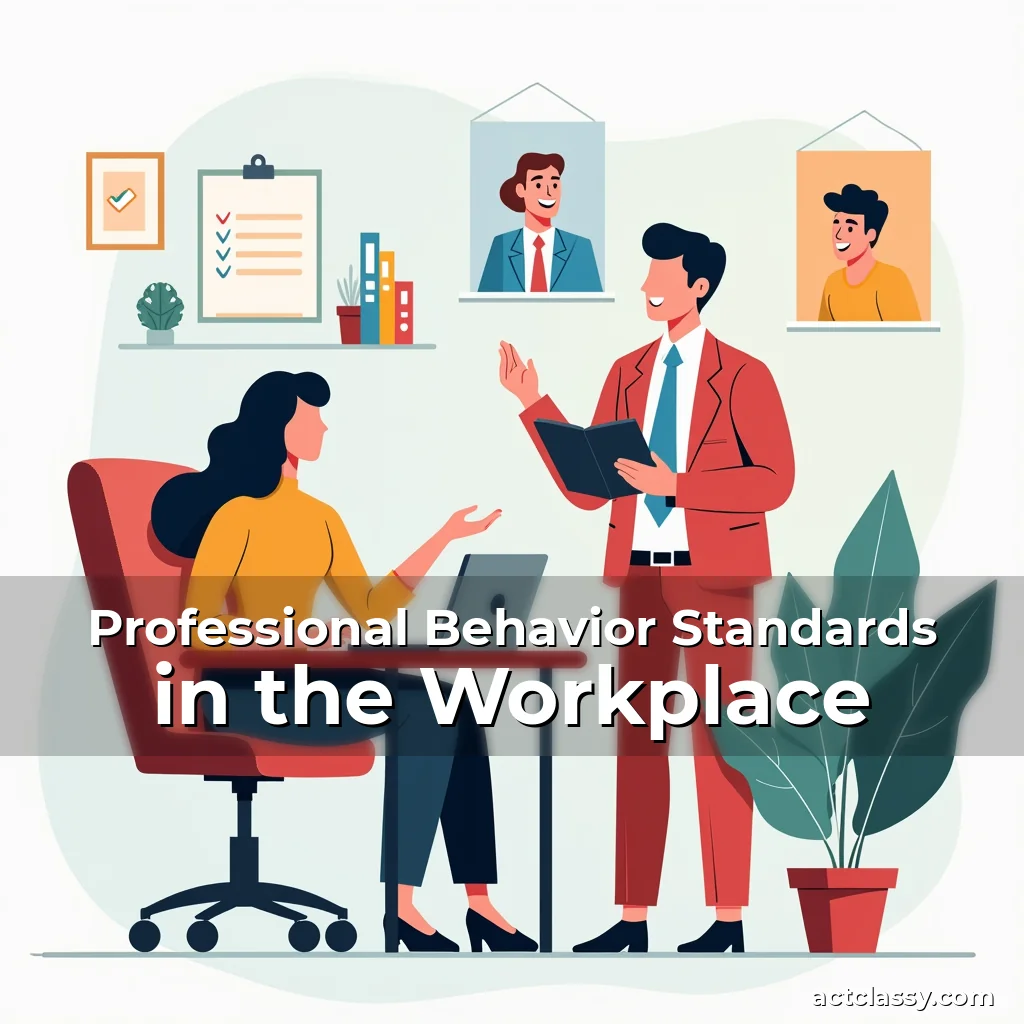
The Art of Professional Conduct: Mastering Etiquette in Modern Workplaces
In today’s fast-paced professional landscape, mastering the nuances of appropriate workplace behavior is essential for career growth and organizational success. As industries evolve and remote work becomes standard, maintaining professionalism across digital platforms has taken on new significance.
Effective professional conduct encompasses communication skills, ethical decision-making, and interpersonal relationships that create productive environments. These principles apply equally to traditional office settings and virtual workspaces where online interactions require special attention.
Fundamental Principles of Workplace Etiquette
At its core, professional behavior involves respecting others’ time, space, and opinions while upholding high standards of integrity. This foundation creates an environment where collaboration thrives and productivity increases.
Respectful communication begins with active listening, which requires giving full attention during conversations rather than preparing responses. This simple practice significantly enhances understanding between colleagues and clients alike.
Time management plays a crucial role in demonstrating reliability. Punctuality shows respect for others’ schedules, while meeting deadlines reflects commitment to responsibilities. Employers value employees who consistently meet expectations without needing constant reminders.
Confidentiality is another cornerstone principle. Maintaining discretion regarding sensitive information protects both individuals and organizations from potential harm. In our data-driven world, information security has become increasingly vital.
Communication Practices That Build Trust
Clear, concise communication prevents misunderstandings that can lead to costly errors. When conveying messages, using straightforward language ensures everyone receives accurate information.
Email correspondence demands particular care due to its permanent nature. Proper formatting with clear subject lines, organized body text, and polite closings helps maintain a positive impression even when communicating remotely.
Voice tone matters as much as word choice during phone calls or video conferences. A calm, composed demeanor conveys confidence while avoiding overly casual speech patterns that might undermine authority.
Nonverbal cues also play a significant role in face-to-face interactions. Maintaining eye contact demonstrates engagement, while open postures signal approachability and openness to discussion.
- Use formal salutations: Always begin business emails with appropriate titles such as “Dear Mr./Ms.” followed by last names unless instructed otherwise.
- Avoid slang expressions: Maintain professional language by refraining from colloquialisms that could be misinterpreted in different contexts.
- Practice cultural sensitivity: Be aware of international differences in communication styles to avoid unintentional offenses.
Managing Conflicts Professionally
Differences inevitably arise in any collaborative setting. How conflicts are handled determines whether they become opportunities for growth or sources of division.
Active mediation techniques help resolve disputes constructively. Approaching disagreements with empathy allows participants to see situations from each other’s perspectives before seeking solutions.
Documenting issues objectively provides clarity when addressing concerns formally. Keeping records supports fair evaluation of situations without personal bias influencing outcomes.
Seeking compromise benefits all parties involved. Finding middle ground often leads to better long-term resolutions than insisting on individual preferences.
Ethical Decision-Making in the Workplace
Maintaining ethical standards requires conscious effort beyond mere compliance with rules. It involves making choices that align with moral values even when convenience suggests shortcuts.
Whistleblowing presents complex dilemmas requiring careful consideration of consequences. Reporting unethical practices must balance transparency with protecting oneself from potential retaliation.
Gifts and favors raise questions about potential conflicts of interest. Establishing clear guidelines about acceptable exchanges helps prevent perceptions of impropriety.
Bias awareness training equips professionals to recognize unconscious prejudices affecting decisions. Regular self-assessment encourages continuous improvement in fairness and inclusivity efforts.
Cultivating Positive Interpersonal Relationships
Genuine connections foster teamwork and innovation within organizations. Building rapport through shared experiences strengthens working relationships over time.
Recognizing achievements contributes to positive morale. Acknowledging coworkers’ successes promotes a culture of appreciation that motivates continued excellence.
Networking extends beyond immediate work circles. Participating in industry events creates opportunities for knowledge exchange and future collaborations.
Social media presence requires mindfulness about what is posted publicly. Understanding how online activity reflects professionally helps maintain desired impressions.
Adapting to Evolving Workplace Norms
Remote work arrangements necessitate redefining what constitutes professional behavior outside traditional offices. Virtual meetings demand equivalent levels of preparation and participation as physical ones.
Hybrid work models combine elements of onsite and remote formats. Clear protocols ensure consistency in expectations regardless of location.
Diversity initiatives reshape workplace dynamics continuously. Embracing inclusive practices fosters environments where everyone feels valued and respected.
Technological advancements change how we interact daily. Staying informed about evolving tools enables effective use without compromising professional standards.
Maintaining Professionalism During Transitions
Career changes present challenges requiring thoughtful navigation. Transition periods benefit from consistent adherence to professional principles despite uncertainty.
Job interviews demand preparation similar to regular workdays. Researching companies thoroughly demonstrates genuine interest in potential roles.
Departure from previous positions requires tactfulness. Leaving gracefully preserves professional networks that may prove beneficial in future endeavors.
Continuous learning remains essential throughout careers. Seeking development opportunities keeps skill sets current and relevant in changing markets.
Conclusion
Mastering professional conduct establishes credibility and opens doors to advancement opportunities. Consistent application of these principles builds trust among peers, supervisors, and clients alike.
By cultivating respectful communication habits, resolving conflicts ethically, and adapting to modern work realities, professionals position themselves for sustained success in their chosen fields.


As someone who has always found himself involved with online media in one form or another in my career, I have developed a passion for educating myself on the latest developments in publishing and social media and try to bring my love of the medium into my numerous projects.
You May Also Like


Seasonal Wardrobe Essentials Checklist
Seasonal Wardrobe Essentials Checklist In today’s fast-paced world, curating a timeless and adaptable wardrobe isn’t just a luxury—it’s a necessity...

Business Lunch Dining Etiquette Tips
Mastering Modern Business Dining: Etiquette Tips for Professionals Dining etiquette remains a cornerstone of professional interaction, shaping perceptions and influencing...

Luxury Lifestyle Services and Concierge
The Art of Refinement: Elevating Everyday Life Through Luxury Experiences In an era where distinction matters more than ever, embracing...
Refined Behavior vs Natural Personality
Refined Behavior vs Natural Personality In an era defined by rapid communication and evolving social norms, the concept of “refined...
Related Posts

Virtual Event Planning Best Practices

Fashion Trends in Accessories and Details