

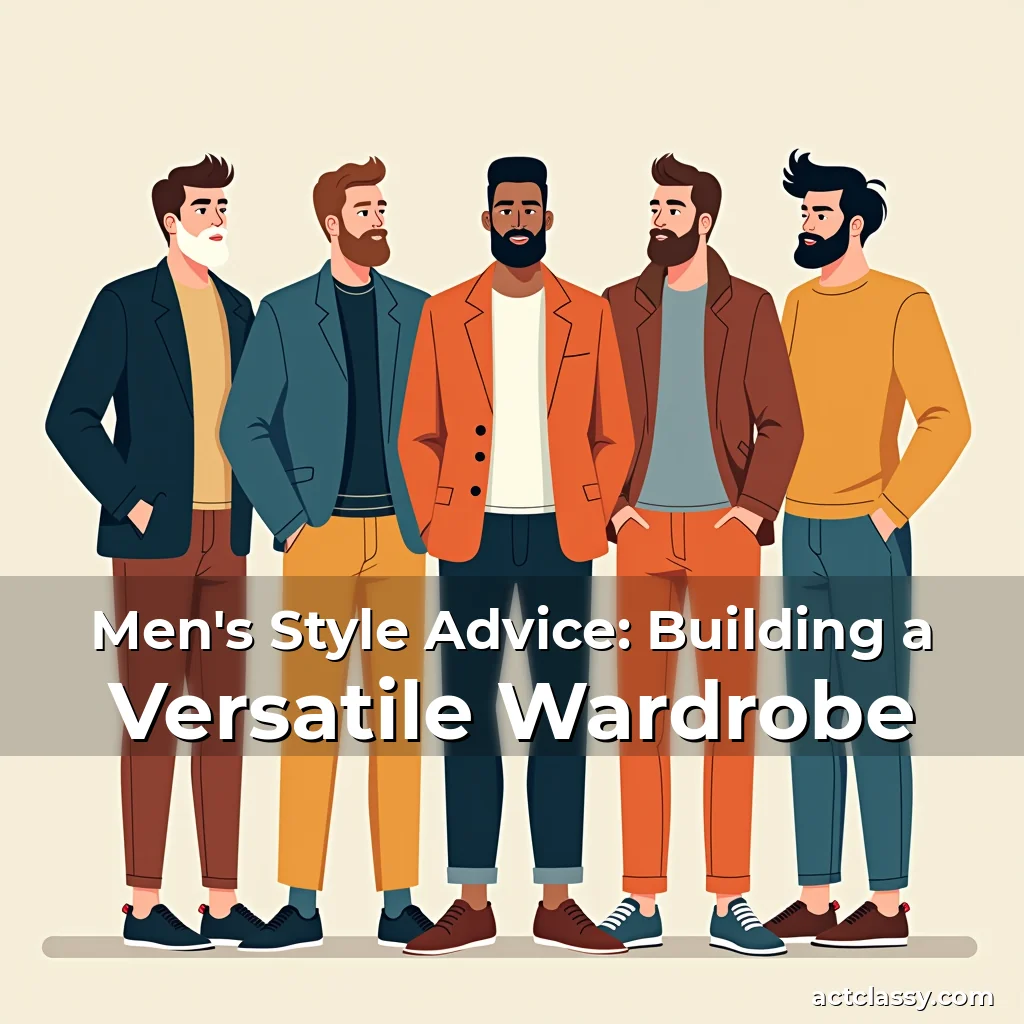
Timeless Elegance: Mastering Your Personal Style for Every Occasion
In today’s fast-paced world, mastering personal style isn’t just about looking good—it’s about projecting confidence, respect, and self-awareness. Whether you’re attending a formal dinner, networking at a business event, or meeting friends for coffee, your attire communicates volumes before a word is spoken.
The right outfit can transform an ordinary day into an extraordinary impression. By understanding the principles of timeless elegance, you’ll learn to curate a wardrobe that reflects your personality while adhering to social expectations and cultural norms.
Understanding the Foundations of Personal Style
Your personal style begins with self-reflection. Consider your body shape, skin tone, and natural features. These elements influence which silhouettes and colors flatter you most. For example, someone with a lean frame may benefit from structured tailoring, while broader shoulders might find balance in softer fabrics or darker hues.
Pay attention to your lifestyle and daily commitments. A busy executive will prioritize versatility, whereas someone with creative pursuits might embrace bolder patterns or textures. Aligning your style with your life ensures comfort and authenticity in every outfit.
Tip: Invest in high-quality staples rather than fleeting trends. Classic pieces like a well-tailored coat or a crisp button-down shirt endure decades longer than seasonal fads. This approach builds a foundation of sophistication that never goes out of fashion.
Remember: Style is not static. As your tastes evolve over time, revisit your wardrobe annually to refresh it while retaining core essentials. This practice prevents clutter and maintains a cohesive aesthetic.
- Determine your silhouette: Identify whether you carry weight around your midsection, shoulders, or hips. Tailoring garments to complement your proportions enhances visual appeal.
- Select a signature color palette: Choose three primary shades that reflect your mood and environment. Stick to these tones to create harmonious combinations effortlessly.
Building a Capsule Wardrobe: Less Is More
A capsule wardrobe consists of essential items that work seamlessly across various settings. Aim for 30–40 versatile pieces that transition easily from morning to evening. This strategy reduces decision fatigue and minimizes environmental waste associated with excessive shopping.
Fundamental components include a fitted blazer, slim-fit trousers, a classic turtleneck sweater, and a pair of polished chukka boots. Pair these with interchangeable accessories like scarves, belts, and hats to adapt outfits quickly based on weather or occasion.
The Power of Neutrals
Neutral-colored clothing forms the backbone of a functional wardrobe. Shades like black, gray, navy blue, and beige provide endless pairing opportunities. Studies show that people who wear neutrals are often perceived as more trustworthy and composed—a crucial trait in professional environments.
However, don’t shy away from adding subtle pops of color. A deep burgundy scarf or emerald-green pocket square introduces vibrancy without overwhelming the ensemble. Balance is key to achieving sophistication through minimalism.
Consider the fabric composition when selecting neutrals. Merino wool offers softness and breathability, while cashmere adds luxury for special events. Avoid synthetic materials that cling or pill after repeated use.
Mastery Through Color Coordination
Color theory plays a pivotal role in creating visually appealing outfits. Complementary colors—those opposite each other on the color wheel—create dynamic contrast, ideal for making bold statements. Conversely, analogous colors next to each other evoke harmony and calm.
To avoid clashing hues, follow the “60-30-10” rule: allocate 60% of your outfit to a dominant color, 30% to a secondary shade, and 10% to an accent. For instance, a charcoal-gray suit (60%), paired with a mustard-yellow tie (30%) and a red cufflink (10%) creates striking cohesion.
Action Step: Carry a portable swatch book to test color combinations against your skin tone. This tool helps identify which palettes enhance your complexion and align with current season trends.
Be mindful of undertones in dyes. Cool-toned fabrics like steel blue or slate gray suit cooler complexions better, while warm shades like terracotta or olive green complement warmer skin types. Always ask sales associates about fabric dye lots to ensure consistency across purchases.
The Art of Footwear Selection
No outfit is complete without thoughtfully chosen footwear. Shoes speak volumes about your attention to detail and respect for the situation. A mismatched shoe or worn-out sole undermines even the finest suits and shirts.
Formal gatherings demand polished oxford shoes in dark brown or black leather. Ensure laces are tied securely and heels are slightly rounded—not pointed—to project refinement. For semi-formal events, brogues or derbies offer a stylish alternative that still exudes professionalism.
Casual outings allow greater flexibility but should never compromise quality. Opt for clean, well-maintained sneakers with low-profile soles. Avoid overly bright logos or excessively chunky designs unless intentionally styling toward athleisure aesthetics.
Note: Cleanliness trumps brand names. Even the priciest shoes lose impact if neglected. Develop a routine of polishing leather weekly and cleaning canvas uppers monthly to preserve their appearance.
Elevating Outfits With Thoughtful Accessories
Accessories serve as finishing touches that elevate simple ensembles into memorable looks. From minimalist jewelry to curated handbags, strategic additions define character without overshadowing the core outfit.
Ties remain one of the most impactful accessories for men. Select widths proportionally relative to your face size—narrower for elongated faces, wider for rounder ones. Silk ties add texture, while knit neckties introduce warmth during colder months.
Belt selection deserves equal consideration. Match belt color precisely with your shoes, regardless of pants hue. A tan leather belt pairs perfectly with cognac oxfords, while a black leather option complements black dress shoes impeccably.
Watch selection becomes increasingly significant as one ages. Mechanical watches convey tradition and craftsmanship, while quartz models emphasize precision and reliability. Regardless of choice, ensure the watch fits snugly against the wrist without causing discomfort.
Choosing Fabrics Based on Climate & Context
Fabric selection impacts both comfort and perception. Lightweight linen works wonders in summer, allowing air circulation while maintaining elegance. However, always opt for tightly woven linens to prevent transparency issues when wearing light-colored variants.
In colder climates, layered wool blends excel at providing insulation without bulkiness. Look for garments containing at least 80% wool fibers combined with polyester or cashmere for enhanced durability and softness. Avoid heavy knits that restrict movement or trap excess heat near the body.
For transitional seasons, consider double-faced fabrics that combine two distinct textures into one garment. These innovative textiles mimic tweeds or herringbones while offering superior stretch and ease of motion compared to traditional weaves.
Pro Tip: Always check care labels before purchasing new clothes. Some specialty fabrics require dry-cleaning services exclusively, while others respond best to gentle hand-washing methods to retain original sheen and texture.
Navigating Seasonal Transitions Gracefully
Spring and autumn present unique styling challenges due to fluctuating temperatures. Layer strategically with lightweight cardigans, open-neck sweaters, or unstructured jackets to accommodate changing conditions without sacrificing style.
Opt for convertible coats with removable liners that adjust insulation levels as needed. This feature proves particularly invaluable during unpredictable spring days when sunshine alternates abruptly with rain showers.
Semi-sheer fabrics become viable options once temperatures stabilize above 65°F (18°C). Breathable rayon blends or organza overlays add dimensionality without compromising modesty requirements for formal engagements.
Reminder: When layering, ensure all garments fit properly individually before combining them. Ill-fitting inner layers distort outerwear shapes, leading to unflattering silhouettes that detract from overall presentation.
Grooming Essentials: The Final Touches
Even the most meticulously curated wardrobe loses effectiveness if overlooked by poor grooming habits. Maintain facial hygiene by shaving regularly and applying moisturizer twice daily. Choose products suited specifically for sensitive skin types to minimize irritation risks.
Haircare routines vary depending on preferred styles. Those opting for shorter cuts benefit from regular trimming sessions every six weeks. Longer-haired gentlemen should invest in quality shampoo conditioners formulated for their particular hair density and porosity levels.
Hand cleanliness cannot be overstated. Keep nails trimmed neatly below fingertips, free of ridges or discoloration. Apply cuticle oil periodically to promote healthy growth and prevent splitting at edges.
Important: Never underestimate the power of fragrance. Select cologne or perfume with moderate strength—one that leaves a lingering presence rather than overpowering scent trails. Test fragrances on pulse points like wrists and behind ears prior to final purchase decisions.
Cultivating Confidence Through Consistency
Confidence stems from knowing exactly how you want to appear in any given scenario. Regularly practicing your chosen style fosters familiarity that translates into poise during interactions. Attend social functions dressed consistently according to established guidelines until becoming second nature.
Vary your looks subtly by rotating accessory selections rather than completely overhauling entire outfits frequently. This gradual evolution keeps appearances fresh while reinforcing long-term sartorial identities.
Final Note: Embrace feedback constructively. While staying true to yourself, occasionally seek input from trusted confidants regarding potential improvements. Remember that growing stylistically involves learning from experiences gained through consistent application of these principles.
Conclusion
Mastering personal style is an ongoing journey requiring patience, observation, and experimentation. By focusing on fundamentals like proper fit, intelligent color usage, and quality construction, anyone can develop a distinctive yet universally flattering wardrobe.
Implement these strategies gradually, prioritizing areas needing immediate improvement before tackling more nuanced aspects later. Over time, these efforts cultivate not just a stylish image—but also a confident mindset that resonates authentically with those around you.


As someone who has always found himself involved with online media in one form or another in my career, I have developed a passion for educating myself on the latest developments in publishing and social media and try to bring my love of the medium into my numerous projects.
You May Also Like


Fashion Trends 2025: What's Coming This Year
Fashion Trends 2025: What's Coming This Year The fashion landscape in 2025 is poised for an exciting evolution that blends...

Business Meeting Etiquette: Dos and Don'ts
The Art of Professional Conduct: Mastering Modern Workplace Etiquette In today's interconnected global marketplace, maintaining impeccable business etiquette isn't merely...

Wine Dining Etiquette: Tasting and Pairing
The Art of Fine Dining Etiquette: Navigating Gourmet Meals with Grace In today's world where social interactions are often judged...

Business Cocktail Party Networking Tips
Business Cocktail Party Networking Tips Cocktail parties serve as pivotal social events in professional circles, blending casual ambiance with opportunities...
Related Posts

Workplace Social Skills That Matter Most

Hosting Etiquette on a Budget