


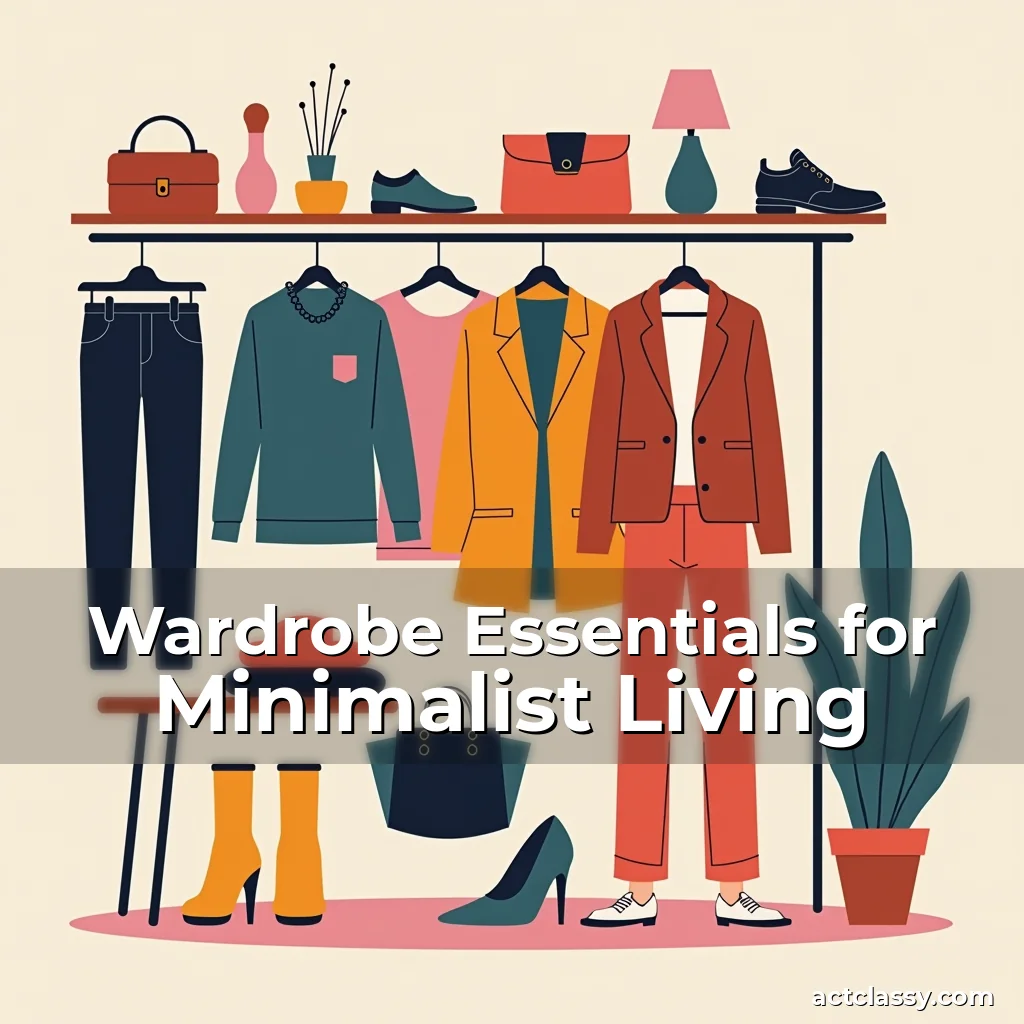
The Art of Curated Wardrobes: Mastering Essential Pieces for Timeless Style
In an era dominated by fast fashion and ever-shifting trends, cultivating a wardrobe that reflects personal style while embracing simplicity has never been more essential. For those who value elegance, practicality, and the art of dressing well without excess, mastering wardrobe essentials is both a necessity and a form of self-expression.
This guide explores how to build a minimalist yet impactful collection of clothing items that transcend fleeting fads and stand the test of time. By focusing on quality over quantity, you can create a versatile ensemble suitable for any occasion while maintaining a sense of sophistication in your daily life.
The Philosophy Behind a Curated Closet
A curated closet represents a conscious choice to prioritize intentionality in every piece selected. It’s not merely about owning fewer clothes but understanding which pieces will serve multiple purposes across various settings.
This approach encourages individuals to think critically about their needs rather than being swayed by seasonal sales or influencer-driven aesthetics. The result is a collection that aligns perfectly with one’s identity and lifestyle requirements.
Quality craftsmanship becomes paramount when selecting these foundational garments. Investing in durable fabrics ensures longevity, reducing the need for frequent replacements that often accompany trend-chasing habits.
Thoughtful selection also considers versatility. A single dress can transition from daytime meetings to evening gatherings through simple alterations in accessories or footwear choices.
Fundamental Clothing Categories Every Wardrobe Should Include
To begin building your curated wardrobe, consider including several key categories that provide structure while allowing creative expression within constraints. These include basics such as t-shirts, blouses, trousers, skirts, jackets, and outerwear.
Evaluating each category individually allows for careful consideration of fit, fabric quality, and color palettes that complement one another harmoniously. This method prevents clutter caused by mismatched hues or incompatible textures.
- T-Shirts & Blouses: Choose neutral shades like white, black, gray, and navy blue. Opt for cotton blends that offer comfort alongside durability.
- Trousers & Skirts: Prioritize tailored cuts in classic colors such as charcoal grey, beige, and deep navy. Ensure they are designed for ease of movement and professional appearance.
- Jackets & Coats: Invest in timeless styles like trench coats, pea coats, and structured blazers made from high-quality wool or cashmere blends.
- Dresses: Select versatile designs that can be dressed up or down using appropriate accessories and shoes.
Selecting the Right Colors for Your Palette
Your color palette plays a crucial role in determining the overall aesthetic appeal of your wardrobe. Choosing complementary tones helps maintain visual harmony across different outfits while enhancing personal style characteristics.
Neutral base colors form the foundation upon which bolder accents can be introduced selectively. Shades like ivory, slate grey, taupe, and soft pastels allow for easy layering combinations without overwhelming the eye.
Accent colors should reflect individual preferences while ensuring they work well together. Consider incorporating rich jewel tones sparingly during special occasions or when experimenting with new looks.
Building Versatile Outfits Through Layering Techniques
Layering serves as a powerful tool for transforming basic garments into dynamic ensembles suited for varying climates and events alike. Understanding effective layering strategies enhances outfit variety significantly.
Begin with lightweight underlayers such as thermal shirts or long-sleeved tees before adding mid-layer options like cardigans or knits. Outer layers might consist of coats, windbreakers, or stylish scarves depending on weather conditions.
Varying texture contrasts between layers adds depth and interest to otherwise simple combinations. Pairing smooth fabrics against coarse materials creates visually appealing effects worth exploring.
Carefully chosen accessories complete layered looks effectively. Belts define waistlines; statement necklaces add focal points; gloves protect hands during colder months—all contributing uniquely towards achieving balanced appearances.
Maintaining Your Curated Collection Over Time
Sustaining a beautifully organized wardrobe requires regular maintenance efforts aimed at preserving garment integrity and preventing disarray. Implementing systematic cleaning routines keeps everything looking fresh longer.
Proper storage solutions help avoid wrinkles and damage associated with improper folding techniques. Utilize vacuum-sealed bags for off-season wearables instead of traditional plastic containers prone to moisture accumulation.
Seasonal transitions demand thoughtful curation processes where only relevant items remain accessible at given times. Rotate pieces based on current climate demands rather than storing them away permanently unless absolutely necessary.
Investment Pieces Worth Holding Onto Forever
Identifying investment-worthy garments involves recognizing those capable of enduring numerous seasons due to superior construction methods used in production. These are typically crafted from premium materials known for resilience against wear-and-tear.
Classic silhouettes ensure continued relevance regardless of passing trends. Items featuring clean lines devoid of excessive embellishments tend to hold greater value compared to heavily decorated alternatives likely destined for quicker obsolescence.
Timeless patterns contribute substantially toward creating agelessly appealing attire. Think plaid checks, subtle stripes, or monochromatic solids—each offering distinct advantages depending on desired outcomes.
Personalizing Your Signature Look Within Constraints
While adhering strictly to minimalism principles doesn’t preclude creativity entirely, finding ways to infuse personality remains vital for authentic self-representation through clothing choices. Small touches make significant differences here.
Statement jewelry provides excellent opportunities for expressing flair without compromising understated elegance. Delicate pendants or minimalist earrings suffice easily enough when paired correctly.
Unique handbags elevate everyday outfits instantly while serving functional roles simultaneously. Choosing leather styles with distinctive hardware details introduces character subtly yet effectively.
Embracing Sustainability Through Conscious Consumption
Adopting sustainable practices extends beyond mere reduction efforts—it encompasses responsible sourcing decisions regarding raw material acquisition processes involved behind-the-scenes operations too.
Eco-friendly brands increasingly emphasize transparency concerning ethical labor standards upheld throughout manufacturing stages. Supporting such companies fosters positive change industry-wide progressively.
Upcycling initiatives encourage repurposing old garments creatively thereby minimizing textile waste generated annually globally. Learning basic sewing skills enables transformation projects turning worn-out pieces back into usable forms once more.
Conclusion
Crafting a curated wardrobe centered around essential elements offers countless benefits spanning enhanced confidence levels among others. It simplifies decision-making processes related to daily get-ready rituals considerably.
By embracing deliberate selections grounded firmly in quality consciousness coupled with mindful consumption behaviors, anyone seeking refined aesthetics finds themselves empowered ultimately shaping narratives surrounding contemporary sartorial expressions authentically.
“`html
The Art of Curated Wardrobes: Mastering Essential Pieces for Timeless Style
In an era dominated by fast fashion and ever-shifting trends, cultivating a wardrobe that reflects personal style while embracing simplicity has never been more essential. For those who value elegance, practicality, and the art of dressing well without excess, mastering wardrobe essentials is both a necessity and a form of self-expression.
This guide explores how to build a minimalist yet impactful collection of clothing items that transcend fleeting fads and stand the test of time. By focusing on quality over quantity, you can create a versatile ensemble suitable for any occasion while maintaining a sense of sophistication in your daily life.
The Philosophy Behind a Curated Closet
A curated closet represents a conscious choice to prioritize intentionality in every piece selected. It’s not merely about owning fewer clothes but understanding which pieces will serve multiple purposes across various settings.
This approach encourages individuals to think critically about their needs rather than being swayed by seasonal sales or influencer-driven aesthetics. The result is a collection that aligns perfectly with one’s identity and lifestyle requirements.
Quality craftsmanship becomes paramount when selecting these foundational garments. Investing in durable fabrics ensures longevity, reducing the need for frequent replacements that often accompany trend-chasing habits.
Thoughtful selection also considers versatility. A single dress can transition from daytime meetings to evening gatherings through simple alterations in accessories or footwear choices.
Fundamental Clothing Categories Every Wardrobe Should Include
To begin building your curated wardrobe, consider including several key categories that provide structure while allowing creative expression within constraints. These include basics such as t-shirts, blouses, trousers, skirts, jackets, and outerwear.
Evaluating each category individually allows for careful consideration of fit, fabric quality, and color palettes that complement one another harmoniously. This method prevents clutter caused by mismatched hues or incompatible textures.
- T-Shirts & Blouses: Choose neutral shades like white, black, gray, and navy blue. Opt for cotton blends that offer comfort alongside durability.
- Trousers & Skirts: Prioritize tailored cuts in classic colors such as charcoal grey, beige, and deep navy. Ensure they are designed for ease of movement and professional appearance.
- Jackets & Coats: Invest in timeless styles like trench coats, pea coats, and structured blazers made from high-quality wool or cashmere blends.
- Dresses: Select versatile designs that can be dressed up or down using appropriate accessories and shoes.
Selecting the Right Colors for Your Palette
Your color palette plays a crucial role in determining the overall aesthetic appeal of your wardrobe. Choosing complementary tones helps maintain visual harmony across different outfits while enhancing personal style characteristics.
Neutral base colors form the foundation upon which bolder accents can be introduced selectively. Shades like ivory, slate grey, taupe, and soft pastels allow for easy layering combinations without overwhelming the eye.
Accent colors should reflect individual preferences while ensuring they work well together. Consider incorporating rich jewel tones sparingly during special occasions or when experimenting with new looks.
Building Versatile Outfits Through Layering Techniques
Layering serves as a powerful tool for transforming basic garments into dynamic ensembles suited for varying climates and events alike. Understanding effective layering strategies enhances outfit variety significantly.
Begin with lightweight underlayers such as thermal shirts or long-sleeved tees before adding mid-layer options like cardigans or knits. Outer layers might consist of coats, windbreakers, or stylish scarves depending on weather conditions.
Varying texture contrasts between layers adds depth and interest to otherwise simple combinations. Pairing smooth fabrics against coarse materials creates visually appealing effects worth exploring.
Carefully chosen accessories complete layered looks effectively. Belts define waistlines; statement necklaces add focal points; gloves protect hands during colder months—all contributing uniquely towards achieving balanced appearances.
Maintaining Your Curated Collection Over Time
Sustaining a beautifully organized wardrobe requires regular maintenance efforts aimed at preserving garment integrity and preventing disarray. Implementing systematic cleaning routines keeps everything looking fresh longer.
Proper storage solutions help avoid wrinkles and damage associated with improper folding techniques. Utilize vacuum-sealed bags for off-season wearables instead of traditional plastic containers prone to moisture accumulation.
Seasonal transitions demand thoughtful curation processes where only relevant items remain accessible at given times. Rotate pieces based on current climate demands rather than storing them away permanently unless absolutely necessary.
Investment Pieces Worth Holding Onto Forever
Identifying investment-worthy garments involves recognizing those capable of enduring numerous seasons due to superior construction methods used in production. These are typically crafted from premium materials known for resilience against wear-and-tear.
Classic silhouettes ensure continued relevance regardless of passing trends. Items featuring clean lines devoid of excessive embellishments tend to hold greater value compared to heavily decorated alternatives likely destined for quicker obsolescence.
Timeless patterns contribute substantially toward creating agelessly appealing attire. Think plaid checks, subtle stripes, or monochromatic solids—each offering distinct advantages depending on desired outcomes.
Personalizing Your Signature Look Within Constraints
While adhering strictly to minimalism principles doesn’t preclude creativity entirely, finding ways to infuse personality remains vital for authentic self-representation through clothing choices. Small touches make significant differences here.
Statement jewelry provides excellent opportunities for expressing flair without compromising understated elegance. Delicate pendants or minimalist earrings suffice easily enough when paired correctly.
Unique handbags elevate everyday outfits instantly while serving functional roles simultaneously. Choosing leather styles with distinctive hardware details introduces character subtly yet effectively.
Embracing Sustainability Through Conscious Consumption
Adopting sustainable practices extends beyond mere reduction efforts—it encompasses responsible sourcing decisions regarding raw material acquisition processes involved behind-the-scenes operations too.
Eco-friendly brands increasingly emphasize transparency concerning ethical labor standards upheld throughout manufacturing stages. Supporting such companies fosters positive change industry-wide progressively.
Upcycling initiatives encourage repurposing old garments creatively thereby minimizing textile waste generated annually globally. Learning basic sewing skills enables transformation projects turning worn-out pieces back into usable forms once more.
Conclusion
Crafting a curated wardrobe centered around essential elements offers countless benefits spanning enhanced confidence levels among others. It simplifies decision-making processes related to daily get-ready rituals considerably.
By embracing deliberate selections grounded firmly in quality consciousness coupled with mindful consumption behaviors, anyone seeking refined aesthetics finds themselves empowered ultimately shaping narratives surrounding contemporary sartorial expressions authentically.
“`


Related Posts

Sustainable Wardrobe Essentials Guide

Building Wardrobe Essentials from Scratch
