


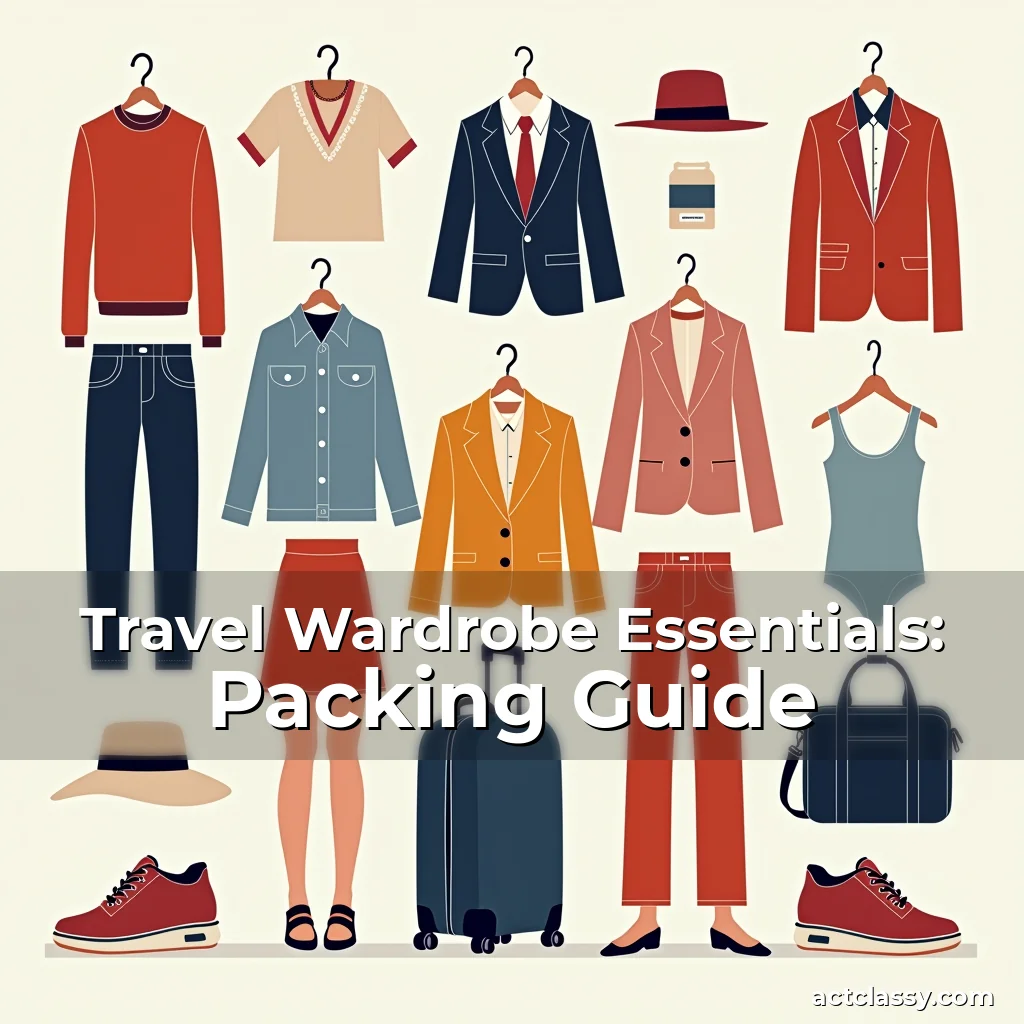
The Core Foundations of a Travel Wardrobe
A successful travel wardrobe begins with its core foundation—a selection of versatile, high-quality basics that can be styled in countless ways. These garments serve as the building blocks for every look, whether formal, semiformal, or relaxed. Prioritize pieces made from wrinkle-resistant fabrics that retain their shape after being packed away for hours in tight luggage compartments.
Neutral tones such as navy, black, grey, beige, and white form the backbone of a cohesive palette. These hues pair effortlessly with other colors and allow for easy mixing and matching. For example, a crisp white shirt can transition from a daytime café visit to an evening gala when paired with the right accessories and outerwear. Invest in well-fitted versions of these staples; they elevate your appearance instantly and reduce the need for excessive layering.
- Tailored Blazer: A fitted blazer adds polish to any ensemble and pairs seamlessly with everything from jeans to skirts. Opt for a slim-fit cut that complements most body types.
- Versatile Pants: Choose tailored trousers or capri pants that flatter your silhouette and work equally well with heels or flats. Avoid overly structured styles that may restrict mobility during long days of walking.
- Casual Shirts: A few classic button-down shirts provide flexibility for both professional and leisurely occasions. Look for breathable fabrics like cotton or linen to stay comfortable in warm climates.
- Sweater Options: Lightweight knits in shades of grey, cream, or charcoal offer warmth without bulk, making them ideal for cooler mornings or air-conditioned spaces abroad.
These foundational elements create a canvas upon which you can experiment with textures, patterns, and accessories. By focusing on fit and fabric quality, you minimize the number of items required to achieve variety, simplifying packing and reducing clutter in your suitcase.
Layering Strategies for Every Climate
One of the greatest challenges of traveling internationally is adapting to fluctuating temperatures and unpredictable weather conditions. Mastering the art of strategic layering allows you to remain comfortable and stylish regardless of the climate. Begin with lightweight base layers that wick sweat away from your skin, followed by mid-layers that add insulation without compromising mobility.
For colder regions, consider including a waterproof jacket or a trench coat that shields against rain while maintaining a refined aesthetic. In warmer environments, opt for breathable fabrics like cotton or bamboo blends that promote airflow and prevent overheating. The key lies in selecting pieces that complement rather than compete with one another, creating a harmonious visual effect even when layered.
Smart Layering Techniques
Research indicates that individuals who practice intentional layering report higher satisfaction levels with their travel experiences due to enhanced comfort and reduced wardrobe changes. For instance, pairing a turtleneck sweater with a sleek cardigan provides both thermal protection and a polished finish suitable for dining out or attending events. Similarly, using a scarf strategically can transform a simple outfit into something chic and functional.
To maximize space-saving benefits, invest in foldable garments that compress easily within your luggage. This approach not only reduces weight but also keeps your belongings organized and accessible. Additionally, choose versatile accessories like belts or statement necklaces that enhance multiple looks simultaneously, further minimizing the need for additional clothing items.
Footwear and Accessories: Completing Your Ensemble
No matter how perfectly chosen your clothes may be, footwear remains a critical component of any travel wardrobe. Select shoes that balance comfort with elegance, considering the activities planned for each destination. Heels are indispensable for formal gatherings, yet impractical for extended periods of walking. Conversely, flat sandals may suit beachside excursions but lack the refinement needed for upscale restaurants or museums.
Prioritize shoes crafted from durable materials such as leather or synthetic alternatives that resist wear and tear. Ensure there is ample cushioning beneath the feet to support prolonged strolls through cobblestone streets or crowded tourist attractions. Investing in a pair of stylish yet comfortable boots will prove invaluable during rainy seasons or unexpected inclement weather.
- Barefoot Sandals: Ideal for warm climates, these open-toe designs provide ventilation while allowing freedom of movement around poolsides or markets.
- Dress Shoes: Go for low-heeled pumps or oxfords that offer stability and sophistication without sacrificing comfort during lengthy walks.
- Sneakers: Sporty yet fashionable, trainers enable spontaneous adventures while still appearing put together enough for casual encounters.
- Knee-High Boots: Perfect for cooler months or wetter environments, these protect ankles from cold winds while offering added traction on slick surfaces.
Accessories play an equally vital role in defining your overall appearance. Belts help define waistlines and add structure to loose-fitting garments, whereas watches signify punctuality and attention to detail. Handbags come in various sizes depending on daily needs—from compact crossbody purses perfect for shopping trips to spacious tote bags capable of holding essentials like passports, laptops, and toiletries.
Jewelry boxes filled with minimalist earrings or delicate pendants contribute significantly towards elevating basic outfits into memorable ensembles. Hats can shield faces from harsh sunlight while providing instant fashion flair, especially when worn at angles that accentuate facial features naturally.
Choosing Fabrics for Durability and Comfort
Fabric choice profoundly impacts both the longevity and comfort level associated with your travel wardrobe. Natural fibers such as cotton, silk, and wool excel in regulating body temperature while remaining gentle on sensitive skin. However, synthetic materials often fall short regarding breathability unless specifically engineered for performance purposes.
Merino wool stands apart among synthetics because it combines softness with exceptional insulating qualities, making it highly recommended for colder regions where traditional fleece might cause irritation. Microfibers used in athletic wear possess remarkable water resistance properties alongside quick drying capabilities—an asset particularly useful near coastal areas prone to sudden showers.
Cotton blends strike a favorable equilibrium between absorbency rates and durability factors, rendering them excellent candidates for everyday usage scenarios involving frequent washing cycles. Linen variants boast superior cooling effects compared to polyester counterparts, though they tend to wrinkle more readily upon unpacking post-travel.
When purchasing new additions destined for international journeys, prioritize labels indicating eco-friendly production processes since sustainability concerns have become increasingly prominent within modern consumer behavior patterns worldwide. Organic cotton certifications guarantee minimal environmental impact without compromising product integrity standards typically expected from premium brands targeting affluent clientele segments.
Color Coordination for Seamless Transitions
Mastering color theory enables effortless transitions between day and night appearances, ensuring you never feel overdressed nor underdressed irrespective of circumstances encountered along the way. Adopt a balanced scheme comprising approximately 60% primary colors, 30% secondary accents, and 10% bold highlights—an approach widely embraced by professionals seeking versatility without sacrificing individuality.
Monochrome styling presents another effective strategy wherein varying shades of similar hues create depth perception visually while reinforcing unity amongst disparate components constituting full outfits. Pair darker denim jeans with lighter-toned tops featuring complementary undertones derived from nature-inspired palettes consisting primarily of greens, blues, and earthy browns.
Patterns introduce complexity yet require careful implementation lest risk overwhelming viewership potential afforded by minimalist approaches. Subtle geometric shapes integrated subtly via small-scale prints generally yield better results than loud floral motifs likely to clash unexpectedly when combined haphazardly across unrelated garment selections.
Regardless of preferred technique employed—whether sticking strictly to solids or embracing calculated pattern incorporations—always carry neutral-colored socks and underwear underneath visible portions of attire. This precautionary measure prevents accidental exposure of mismatched lower halves disrupting otherwise impeccable upper-half compositions achieved painstakingly through meticulous preparation efforts prior departure dates.
The Role of Technology in Modern Travel Fashion
Advancements in textile engineering continue revolutionizing how people approach apparel selection before embarking on global expeditions. Innovative technologies now empower consumers access advanced functionalities embedded within seemingly ordinary garments—features previously unimaginable decades ago yet commonplace nowadays thanks largely attributable to scientific progress occurring rapidly across multiple disciplines simultaneously.
Compression bags equipped with vacuum-sealing mechanisms drastically reduce volume occupied inside standard-sized suitcases, enabling greater capacity utilization despite limited physical dimensions imposed inherently upon luggage restrictions enforced globally wherever airline regulations apply universally applicable guidelines governing acceptable baggage weights measured predominantly based off kilograms versus pounds equivalencies commonly referenced interchangeably albeit technically distinct units representing same fundamental measurement principle underlying all mass quantification systems adopted worldwide.
Luggage organizers constructed utilizing modular compartmentalization principles facilitate efficient sorting procedures ensuring everything necessary readily available exactly where needed without requiring exhaustive rummaging sessions potentially leading negative emotional responses detrimental towards positive psychological states ideally maintained consistently throughout entire duration spent traveling outside familiar surroundings.
Smart clothing incorporating sensors capable detecting ambient temperatures automatically adjusts internal heating/cooling mechanisms accordingly maintaining optimal body condition irrespective external atmospheric conditions prevailing locally visited locations. Such breakthroughs redefine expectations regarding what constitutes ‘comfort’ redefining boundaries once considered immutable constraints limiting human ability adapt effectively amidst ever-changing environmental variables impacting physiological wellbeing significantly influencing mood fluctuations affecting general enjoyment levels experienced during vacations meant primarily serving restorative purposes intended originally conceived objectives behind initiating travel plans initially formulated beforehand.
Ethical Consumption Practices Within Travel Wardrobing Contexts
As awareness surrounding ethical consumption practices grows exponentially, conscientious shoppers now prioritize sourcing products aligned with responsible manufacturing protocols emphasizing fair labor treatment coupled transparent supply chain operations disclosing origins traceable back original producers involved creation process beginning raw material extraction stages proceeding onward final retail distribution phases concluding ultimate customer acquisition milestones marking completion lifecycle trajectories spanning entire existence spans encompassing multifaceted interdependent relationships existing concurrently throughout complex networks forming integral parts larger ecosystems sustaining life itself.
Supporting brands committed regenerative agriculture initiatives contributes positively toward preserving biodiversity hotspots threatened extinction risks stemming unsustainable exploitation natural resources accelerated by industrialized economies reliant heavy dependence fossil fuels powering mechanized agricultural equipment facilitating rapid food production cycles meeting insatiable demands arising continuously evolving societies characterized unprecedented population growth figures accompanied corresponding increases energy consumption metrics escalating dramatically decade-over-decade comparisons illustrating stark contrast pre-industrial era lifestyles contrast sharply contemporary realities demanding innovative solutions addressing pressing issues confronting humanity collectively.
Opting secondhand stores instead conventional brick-and-mortar boutiques offers dual advantages namely reducing carbon footprints generated through textile industry pollution plus acquiring vintage finds possessing unique characteristics unattainable mainstream market offerings constrained rigid design limitations dictated profit-driven motives guiding corporate decision-making frameworks privileging financial gains above moral considerations concerning social responsibilities owed communities affected indirect consequences resulting economic activities pursued solely pursuing bottom-line maximizations irrespective broader implications borne by stakeholders excluded decision-making processes determining fate goods produced sold consumed discarded eventually decomposed returning nutrient cycle contributing ecological restoration efforts mitigating damage inflicted past centuries.
By consciously choosing sustainable options whenever possible—including organic cotton bedding sets replacing disposable hotel amenities—you actively participate global movements advocating planetary health preservation aligning personal values actions taken daily routines shaping future generations inheritances legacy left behind through conscious choices made now impacting tomorrow’s world considerably.
Etiquette Considerations When Dressing Abroad
Understanding local customs regarding dress codes proves essential ingredient success navigating foreign territories successfully avoiding unintended offense caused ignorance cultural nuances influencing perceptions received by native populations encountering visitors unfamiliar regional traditions. While Western-style dressing prevalent many countries, certain regions impose strict regulations prohibiting revealing attire considered immodest according religious beliefs upheld strongly within particular demographic groups inhabiting specific geographic zones.
For instance, conservative Middle Eastern nations enforce stringent laws mandating covering shoulders arms below knees except designated prayer times permitting temporary relaxation rules during daylight hours. Failure adhere guidelines risks legal repercussions ranging fines imprisonment depending severity infractions detected authorities tasked enforcing public decency statutes protecting societal morals perceived violations thereof threatening communal harmony cherished deeply rooted collective identities formed through centuries shared histories shaped common values cultivated mutual respect fostering peaceful coexistence among diverse cultures intersecting geographically proximate locales.
Muslim-majority countries exhibit variations degrees conservatism across cities villages towns influenced factors including urbanization rates education levels socioeconomic statuses dictating attitudes toward liberal interpretations moderate readings stricter enforcement policies implemented differently depending jurisdiction administering governance structures overseeing territorial domains subject regional legislation governing behavioral conduct deemed acceptable unacceptable within respective jurisdictions exercising sovereign powers independently determined political entities asserting control over territorial boundaries demarcated maps delineating national borders separating discrete nation-states operating autonomously separate from others.
Similarly, some African nations uphold customary dress codes expecting women refrain wearing sleeveless tops skirts above knee length men avoid displaying bare chests torso regions experiencing heightened security threats necessitating increased vigilance preventing misuse clothing items concealing weapons contraband substances posing dangers safety wellbeing inhabitants residing within targeted areas undergoing surveillance measures aimed deterring criminal activities undermining peace stability sought preserved through collaborative international efforts promoting global security cooperation combating transnational terrorism threats originating distant locations exploiting vulnerabilities exploited exploitatively manipulated malicious actors intent destabilizing geopolitical landscapes already fraught tensions competing interests vying dominance influence spheres.
Conclusion
Crafting a travel wardrobe requires thoughtful consideration of aesthetics, functionality, and cultural sensitivity. By prioritizing versatile foundations, mastering layering techniques, and selecting appropriate fabrics, you equip yourself to face any challenge confidently and elegantly. Remember, the goal is not merely to pack efficiently but to present oneself as a respectful ambassador of style and grace wherever your travels take you.
Ultimately, the best travel wardrobe is one that reflects your personality while respecting the places you visit. As you refine your collection over time, embrace experimentation with new combinations, and don’t forget to enjoy the journey—both literally and figuratively. With intentionality and mindfulness, your wardrobe becomes an extension of your identity, empowering you to navigate the world with poise and curiosity.


Related Posts


Quality Wardrobe Essentials Worth the Investment

The Timeless Foundations: Crafting Your Ultimate Wardrobe Essentials Collection
