

The Art of Making Lasting First Impressions in Modern Etiquette
In an era where digital interactions often precede face-to-face meetings, mastering the art of first impressions has become both essential and complex. For those who value refined social conduct, understanding how to create meaningful initial connections can open doors to professional opportunities, personal relationships, and cultural appreciation.
The nuances of modern etiquette demand more than mere politeness; they require strategic awareness of body language, verbal communication patterns, and situational context. These elements form the foundation upon which lasting positive impressions are built.
The Science Behind Initial Judgments
Research from Harvard University reveals that people make subconscious evaluations within milliseconds of meeting someone new. This rapid assessment includes analyzing facial expressions, posture, and vocal tone before conscious thought processes begin.
Neurological studies show that our brains prioritize visual cues above other sensory information when forming first impressions. A well-groomed appearance combined with confident body language creates immediate trust signals.
Interestingly, these judgments are influenced by cultural backgrounds and individual experiences. What might be considered appropriate behavior in one region could appear intrusive elsewhere, emphasizing the need for cross-cultural sensitivity.
Understanding this psychological framework allows us to strategically manage our presentation while maintaining authenticity. It’s not about deception but about optimizing our natural characteristics through mindful self-presentation.
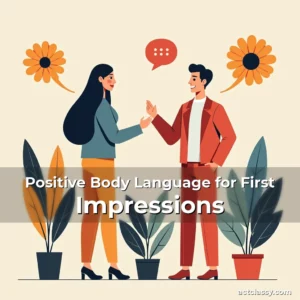
Making a Positive Impression Through Body Language
Your physical presence communicates volumes before you even speak. Maintaining eye contact at a comfortable level conveys confidence without appearing intimidating. However, excessive staring may be misinterpreted as aggression in certain cultures.
Gestural coordination plays a crucial role too. Open hand gestures demonstrate approachability, while crossed arms might suggest defensiveness or discomfort. Subtle movements such as nodding or slight forward leans indicate active listening.
- Purposeful movement: Avoid fidgeting or repetitive motions that signal nervousness. Controlled motion demonstrates composure.
- Spatial awareness: Respect personal space boundaries, typically keeping a distance of three to four feet during conversations unless closer proximity is culturally expected.
- Mirroring techniques: Slight mimicry of another person’s postures or gestures can build rapport, though should be done subtly to avoid seeming insincere.
Awareness of micro-expressions is equally vital. Brief smiles, raised eyebrows, or subtle head tilts convey interest and engagement. Conversely, avoiding direct gaze or displaying closed-off stances might unintentionally communicate disinterest.
Crafting Impactful Verbal Communication
Vocal qualities significantly influence perception during initial encounters. Speaking clearly with moderate volume projects confidence, while whispering may imply secrecy or lack of assurance. Pitch variation adds warmth and prevents monotony.
Active listening skills enhance conversational effectiveness. Nodding, paraphrasing statements, and asking clarifying questions demonstrate genuine engagement rather than passive hearing.
Talking pace also matters considerably. Speaks too quickly and listeners struggle to process information; speaking too slowly risks boredom. Finding a balanced cadence tailored to your audience is key.
Choosing appropriate vocabulary reflects both intelligence and respect for the conversation partner. Using overly technical terms may alienate some audiences, while simplistic language might seem unprepared or uninformed.
Dress Code Considerations Across Contexts
Selecting suitable attire requires understanding the event’s nature and cultural expectations. Business formal wear signals professionalism in corporate settings, whereas casual clothing suits informal gatherings more appropriately.
Color psychology influences perceptions as well. Warm hues like red and orange evoke energy and passion, while cool tones such as blue and green promote calmness and reliability. Neutral shades offer versatility across different situations.
Accessories play a significant role in completing an outfit. Minimalist jewelry often appears sophisticated, while bold accessories can add personality depending on the occasion. Footwear choices must align with activity requirements and dress codes.
Layering techniques help adapt to environmental conditions without compromising style. Understanding current fashion trends enables individuals to stay contemporary while respecting traditional standards of elegance.
The Role of Environmental Awareness
Being attuned to surroundings enhances impression management capabilities. Noticing ambient sounds, lighting levels, and spatial layouts helps anticipate potential disruptions or inconveniences.
Environmental factors also shape non-verbal communication. In dimly lit spaces, softer tones may be necessary, while bright environments call for more subdued volume levels. Recognizing these subtleties contributes to effective interaction strategies.
Observing others’ behaviors provides insight into group dynamics. Matching the overall atmosphere of a gathering ensures seamless integration without drawing undue attention. This observational skill becomes particularly useful in networking scenarios.
Attention to minor details like room temperature, seating arrangements, and available amenities shows consideration for guests’ comfort. Such attentiveness reinforces the image of a thoughtful and considerate individual.
Navigating Digital First Impressions
In today’s interconnected world, online introductions frequently serve as primary points of contact. Professional profiles on LinkedIn require careful curation to reflect competence and credibility effectively.
Email signatures and social media bios function as virtual business cards. Including relevant keywords and clear contact information increases visibility while maintaining a polished appearance.
Video conferencing etiquette demands special attention. Ensuring good lighting, minimizing background noise, and using high-quality audio equipment improves perceived professionalism.
Managing digital footprints involves monitoring what information is publicly accessible versus private. Being selective about shared content maintains control over personal brand development.
Cross-Cultural Sensitivity in Impressions Management
Globalization necessitates heightened awareness of intercultural differences affecting first impressions. Gestures meaning peace in one country might signify something entirely different elsewhere, highlighting the importance of cultural literacy.
Language barriers require extra care in communication styles. Simplified sentence structures, patient clarification requests, and visual aids facilitate clearer exchanges between speakers of different languages.
Religious customs impact various aspects of interaction including greetings, gift giving, and dining practices. Showing respect for these traditions fosters goodwill and mutual understanding.
Familiarity with regional norms regarding punctuality, hierarchy, and interpersonal distances enhances cross-cultural interactions. Adapting behaviors accordingly demonstrates flexibility and openness towards diverse perspectives.
Building Authentic Connections Beyond Superficial Traits
While surface-level attributes contribute to initial perceptions, cultivating depth requires investment in relationship-building activities. Demonstrating curiosity about others’ interests promotes meaningful dialogue beyond small talk.
Sharing personal stories selectively humanizes interactions while establishing common ground. Balance is key – revealing enough vulnerability to feel authentic without oversharing sensitive information.
Following up after initial meetings strengthens impressions made earlier. Sending personalized messages referencing discussion topics keeps the connection alive and demonstrates continued interest.
Engaging in follow-through actions builds long-term credibility. Meeting commitments promptly and exceeding expectations when possible reinforce trustworthiness and reliability.
Common Pitfalls to Avoid When Creating Impressions
Overcompensation through exaggerated displays of wealth or status often backfires, creating unintended negative reactions instead of admiration. Authenticity always surpasses artificial presentations.
Failure to listen actively results in missed opportunities for deeper connection. People appreciate feeling heard and understood far more than receiving unsolicited advice.
Lack of preparation manifests visibly in awkward pauses or inappropriate remarks. Researching basic facts about counterparts beforehand prevents embarrassing misunderstandings.
Ignoring non-verbal feedback leads to ineffective communication. Paying attention to others’ body language allows timely adjustments in conversation direction or intensity.
Conclusion
Mastery of first impression creation combines scientific understanding with practiced refinement. By integrating knowledge of behavioral science principles with real-world application, we can develop nuanced approaches suited to any situation.
Ultimately, successful impression management lies in balancing preparedness with spontaneity. Remaining adaptable yet informed empowers individuals to navigate social landscapes confidently while staying true to their values and identity.


Related Posts

Positive Body Language for First Impressions

Body Language for Effective Leadership
