


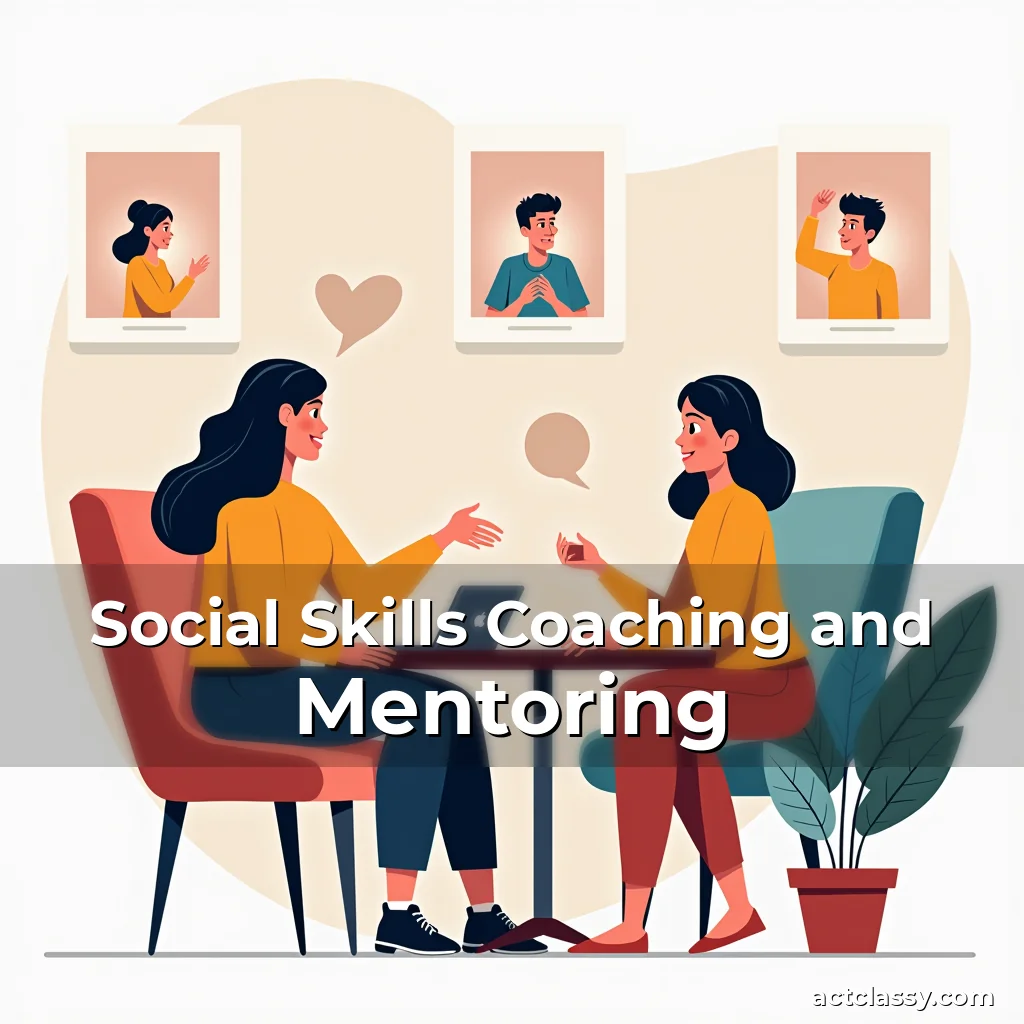
Social Skills Coaching and Mentoring
In an increasingly interconnected world, mastering social skills is not just beneficial—it’s essential. Whether you’re navigating professional environments, building personal relationships, or simply aiming to feel more confident in daily interactions, strong social abilities can open doors that might otherwise remain closed.
This guide explores how structured coaching and mentoring programs are transforming the way individuals develop these crucial competencies. By understanding both traditional methods and modern approaches, we uncover practical strategies that empower people at every stage of their social development journey.
The Evolution of Social Skills Development
Social skills have always been vital for human connection, but recent years have seen a dramatic shift in how they’re taught and practiced. As digital communication reshapes our interaction patterns, new challenges emerge alongside fresh opportunities for growth.
Gone are the days when observing family members was sufficient preparation for adult life. Today’s complex social landscapes require intentional learning through specialized training programs tailored to individual needs and goals.
Coaching methodologies now incorporate neuroscience principles, cognitive behavioral techniques, and experiential learning models. These approaches help learners understand not just what to say, but also why certain behaviors resonate better than others in different contexts.
Mentorship has evolved beyond casual advice-giving. Structured mentorship frameworks now include measurable objectives, regular feedback mechanisms, and personalized progress tracking systems designed to accelerate skill acquisition.
- Digital Communication Integration: Modern programs address texting norms, video call etiquette, and online networking best practices as integral components of contemporary social engagement.
- Cultural Sensitivity Training: With globalization connecting diverse populations daily, developing cultural awareness helps prevent misunderstandings while fostering genuine connections across borders.
- Emotional Intelligence Focus: Leading programs emphasize self-awareness, empathy recognition, and emotional regulation—skills proven to enhance relationship quality significantly.
Fundamentals of Effective Social Interaction
At its core, successful social engagement relies on foundational elements that form the bedrock of meaningful exchanges. Understanding these basics enables practitioners to build upon them effectively.
Active listening remains one of the most powerful tools available. It involves complete attention to the speaker rather than merely waiting for your turn to speak. This simple yet profound practice fosters trust and encourages deeper conversations.
Nonverbal cues account for over 90% of interpersonal communication according to research by Albert Mehrabian. Maintaining appropriate eye contact, using open body language, and mirroring gestures can dramatically influence perception during face-to-face interactions.
Verbal communication extends beyond word choice; tone, pacing, and volume play critical roles in conveying intended messages accurately. Practicing varied vocal inflections enhances expressiveness without becoming distracting.
Empathy—the ability to understand another person’s perspective—is fundamental to creating authentic connections. Developing empathetic responses requires conscious effort through exercises like perspective-taking scenarios and reflective journaling.
Awareness of personal space boundaries is often overlooked but deeply impactful. Recognizing and respecting others’ physical comfort zones prevents discomfort while maintaining natural proximity levels during discussions.
Patience and presence contribute greatly to positive social experiences. Being fully engaged in each moment allows participants to respond thoughtfully instead of reacting impulsively based on preconceived notions.
These basic components work synergistically to create well-rounded social competence. When mastered individually and applied collectively, they transform average interactions into memorable ones.
Building Confidence Through Structured Practice
Confidence in social situations doesn’t materialize overnight; it develops through deliberate exposure and constructive feedback. Professional coaches design customized plans that gradually increase difficulty levels while ensuring continued success.
Role-playing exercises provide safe spaces for practicing challenging scenarios such as public speaking engagements or difficult conversations. Immediate feedback from trained professionals accelerates improvement far faster than trial-and-error alone.
Voice modulation drills help overcome nervous habits like monotony or excessive pitch variation. Recording sessions allow for objective analysis of tonal qualities that may need refinement.
Body language workshops teach clients how to project confidence through posture adjustments, hand movements, and facial expressions aligned with desired communication outcomes.
Perspective-taking activities challenge assumptions by placing individuals in simulated situations requiring them to consider alternative viewpoints before responding.
Progressive exposure techniques introduce clients to increasingly complex social settings at their own pace. This method reduces anxiety associated with unfamiliar environments while building resilience against rejection fears.
Self-assessment tools integrated into many programs enable users to track improvements objectively. Regular evaluations highlight strengths and identify areas needing further development systematically.
Such structured approaches ensure continuous growth without overwhelming beginners. They balance challenge with support, making even daunting tasks manageable through incremental mastery.
Cultivating Emotional Intelligence
While technical proficiency matters, true social fluency stems from deep emotional intelligence. Coaches prioritize developing this inner compass which guides ethical behavior and thoughtful reactions.
Self-reflection exercises encourage clients to examine their emotions honestly. Journaling prompts help recognize patterns in emotional triggers and response tendencies over time.
Recognizing others’ emotional states becomes easier with targeted training. Clients learn subtle indicators like micro-expressions, voice inflections, and physiological changes that signal various feelings.
Managing personal emotions constructively prevents reactive outbursts that could damage relationships prematurely. Techniques such as mindfulness meditation equip individuals to pause before responding automatically.
Empathic accuracy—correctly identifying others’ feelings—is honed through scenario-based roleplays where accurate interpretation leads to appropriate supportive responses.
Coping strategies for handling intense emotions are emphasized within safe therapeutic environments. Participants practice grounding techniques that maintain composure under pressure.
Understanding emotional reciprocity teaches clients how to give and receive emotional support equitably. Healthy relationships thrive on mutual respect for each partner’s emotional needs.
Integrating EI into everyday interactions transforms routine encounters into emotionally intelligent exchanges that foster stronger bonds between individuals.
Navigating Complex Social Landscapes
Modern social environments present unique challenges requiring adaptive skills sets. From virtual meetings to multicultural workplaces, today’s communicators must navigate diverse terrain expertly.
Virtual communication demands special attention due to limited nonverbal cues available through screens. Learning effective webcam positioning, background management, and camera angle optimization improves perceived professionalism significantly.
Cross-cultural sensitivity training prepares individuals for international business dealings or global friendships. Understanding regional differences in communication styles avoids misinterpretations that could harm relationships.
Handling conflict resolution in group settings requires refined negotiation tactics. Coaches train clients in de-escalation techniques suitable for boardrooms, classrooms, and community gatherings alike.
Public speaking anxiety affects millions worldwide despite being a common career requirement. Specialized breathing exercises combined with gradual exposure therapy alleviate performance-related stress efficiently.
Networking events benefit immensely from strategic approach planning. Professionals learn how to initiate conversations meaningfully, sustain interest through active questioning, and follow up appropriately after meeting new contacts.
Adapting communication styles to different audiences—from teenagers to executives—requires versatile skill sets that adjust seamlessly depending on context requirements.
Mastering these multifaceted aspects ensures individuals excel regardless of environmental variables they encounter regularly in their lives.
Personal Growth Through Social Mastery
Beyond immediate benefits, cultivating exceptional social skills contributes profoundly to long-term personal development trajectories. Improved relationships naturally lead to enhanced mental wellbeing and greater life satisfaction overall.
Stronger social networks offer tangible advantages including increased job opportunities, access to resources, and emotional support systems during challenging times. Networking strategically creates pathways previously unattainable through conventional means alone.
Developing assertiveness without aggression fosters healthier interactions where all parties feel respected and heard. This balanced approach strengthens both professional and personal connections equally.
Increased self-awareness gained through social skill development translates into improved decision-making capabilities across all domains of life. Better understanding of oneself facilitates clearer choices regarding future directions.
Positive reinforcement from successful interactions builds lasting confidence that permeates other areas such as academic pursuits, creative endeavors, and health maintenance routines.
Engaging authentically with others cultivates a sense of belonging that combats isolation and loneliness effectively. Meaningful connections reduce stress levels substantially compared to superficial associations.
Continuous improvement mindset nurtured through ongoing practice sustains motivation required for lifelong learning journeys focused on perfecting relational dynamics consistently.
Ultimately, investing in social competence yields returns extending far beyond any single interaction—an investment in holistic human flourishing through enriched relationships and expanded possibilities.
Choosing the Right Coaching Program
Selecting an appropriate coaching program depends largely on individual goals, current skill levels, and preferred learning formats. Assessing these factors carefully increases chances of finding ideal fit successfully.
Beginners seeking foundational knowledge may benefit from introductory courses focusing on core principles like active listening and non-verbal communication essentials first.
Intermediate practitioners looking to refine existing abilities would find value in advanced modules addressing topics such as leadership presence or cross-cultural negotiations specifically.
Those facing particular challenges—like severe shyness or trauma-related social difficulties—should seek therapists specializing in those areas who combine psychological expertise with social skill instruction.
Evaluating credentials thoroughly is crucial when selecting mentors. Certified professionals adhering to industry standards demonstrate commitment to excellence in service delivery consistently.
Considering program structure preferences—whether preferring weekly sessions or flexible scheduling options—ensures compatibility with busy lifestyles effectively.
Reviewing success stories shared anonymously provides insight into potential outcomes achievable through given programs realistically.
Investing wisely upfront saves time and money later by avoiding ineffective interventions that fail to produce meaningful results eventually.
Conclusion
Social skills coaching offers transformative power capable of enhancing nearly every aspect of life positively. The journey toward mastery involves both acquiring technical know-how and nurturing intrinsic qualities that shape authentic human connections.
By embracing structured learning paths supported by experienced mentors, individuals unlock untapped potential residing within themselves ready to be expressed confidently through meaningful relationships cultivated intentionally over time.


Related Posts

Teaching Social Skills to Teenagers
Social Skills: Professional Insights and Tips
