


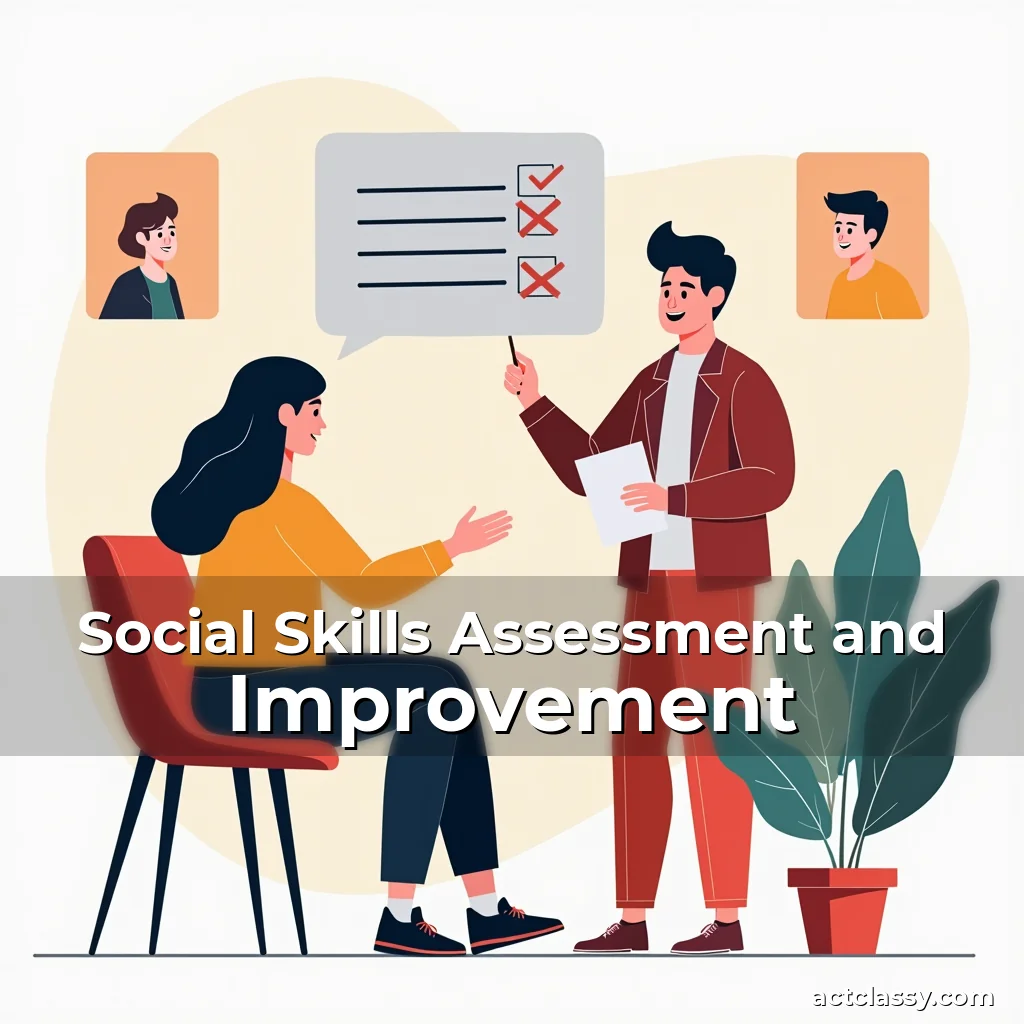
Social Skills Assessment and Improvement
In an increasingly interconnected world, mastering social skills has become essential for navigating both personal and professional landscapes. Whether at a dinner party, during business negotiations, or even in casual conversations, effective interpersonal abilities define our relationships and opportunities.
The art of social engagement goes beyond surface-level pleasantries; it involves emotional intelligence, cultural sensitivity, and intentional communication. These skills shape not only how we connect with others but also how we influence environments—from boardrooms to family dinners.
Understanding the Core Components of Social Competence
Social competence is built upon several foundational pillars that work harmoniously to create meaningful interactions. At its heart lies active listening, which requires full attention, thoughtful pauses, and genuine curiosity about another person’s experiences. This skill alone transforms mundane exchanges into profound dialogues.
Emotional intelligence plays a critical role in interpreting unspoken cues and responding appropriately to others’ feelings. It enables individuals to navigate delicate situations with grace, whether diffusing tension or offering support during times of stress.
- Nonverbal Communication: Body language, eye contact, and gestures often convey more than spoken words. Learning to read and manage these signals enhances clarity in any interaction.
- Conflict Resolution: Disagreements are inevitable, but resolving them constructively demonstrates maturity. Techniques such as acknowledging emotions and seeking compromise strengthen bonds instead of fracturing them.
The Role of Social Skills in Personal Relationships
Fostering deep, lasting relationships hinges on the ability to communicate effectively and show sincere interest in others. Strong social skills allow us to build trust by demonstrating consistency, respect, and adaptability across different personalities and cultures.
One overlooked aspect of nurturing relationships is authentic presence. Being fully engaged—whether through asking open-ended questions or sharing vulnerabilities—creates intimacy that superficial interactions cannot replicate. This level of connection is particularly vital in romantic partnerships and close friendships.
Building Trust Through Authenticity
A Harvard study found that people who consistently demonstrate honesty and transparency experience stronger relational outcomes. When we prioritize genuine expression over polished performance, we invite others to reciprocate with openness and loyalty.
This principle applies equally to familial ties and long-term friendships. By setting aside ego-driven agendas, we cultivate spaces where mutual growth becomes possible—an environment where advice, encouragement, and forgiveness thrive naturally.
Social Skills in Professional Settings
In职场 contexts, exceptional social acumen distinguishes high performers from peers. Networking events provide prime opportunities to showcase charisma while remaining attentive to colleagues’ needs and aspirations.
Career progression frequently relies on collaborative problem-solving. Individuals adept at facilitating discussions, recognizing team dynamics, and delegating tasks strategically position themselves as indispensable assets within organizations.
Leveraging Soft Skills for Leadership Success
Leadership demands more than expertise—it requires inspiring teams toward shared goals. Research indicates that employees under emotionally intelligent managers report increased job satisfaction and productivity levels up to 39% higher than average.
Cultivating empathy allows leaders to anticipate challenges before they escalate. Simple acts like remembering birthdays or initiating check-ins signal care that builds morale and fosters innovation within workplaces.
Developing Social Awareness Through Self-Assessment
Becoming socially proficient begins with introspection. Regularly reflecting on past encounters helps identify patterns—both strengths to reinforce and blind spots requiring improvement.
Tools such as feedback journals enable systematic evaluation of conversations. Noticing when distractions occur or identifying moments where others seemed disengaged provides actionable insights for growth.
- Personality Assessments: Instruments like the Big Five Inventory reveal natural inclinations towards extroversion/introversion, agreeableness, and conscientiousness—all relevant factors influencing social behavior.
- Mindfulness Practices: Meditation enhances present-moment awareness, improving response time to subtle conversational shifts and reducing reactive tendencies.
Overcoming Common Challenges in Social Engagement
Many struggle with social anxiety or fear of judgment, hindering their potential to forge meaningful connections. However, incremental progress—even starting with simple greetings—can gradually increase comfort levels in various settings.
Setting realistic expectations is crucial. Perfectly orchestrated conversations rarely exist; authentic imperfections add depth and relatability. Acceptance of this reality reduces pressure during interactions.
Tackling Shyness Strategically
Shyness often stems from excessive self-focus. Practicing the technique known as “focus shift”—wherein one redirects attention outward by asking thoughtful questions—helps mitigate internalized nervous energy.
Participating in group activities where roles are predetermined (like game nights or volunteer projects) offers safe spaces to interact without expectation of spontaneous conversation initiation.
Cultivating Empathy as a Cornerstone of Social Interaction
Empathy forms the backbone of successful human connections. It transcends sympathy by enabling us to genuinely understand others’ perspectives and respond accordingly. Developing this trait enriches all types of relationships significantly.
Practicing perspective-taking exercises regularly strengthens empathic capacity. Imagining oneself in another’s circumstances fosters compassion that translates into supportive actions and inclusive attitudes.
- Active Listening: Paraphrasing what someone says confirms comprehension and shows investment in their narrative—a fundamental component of deepening rapport.
- Kinesthetic Mirroring: Subtle mimicry of posture or expressions creates subconscious alignment, enhancing feelings of similarity and trustworthiness during conversations.
Leveraging Technology for Social Growth
Digital platforms offer unprecedented access to resources aimed at refining social competencies. Online forums facilitate discussions around sensitive topics, providing guided opportunities to explore complex issues safely.
Virtual workshops led by experts deliver targeted training modules addressing specific concerns such as public speaking anxiety or cross-cultural communication nuances—all delivered conveniently from home.
Utilizing Digital Tools Effectively
Apps designed for speech pattern analysis help users monitor vocal inflections and pacing, aiding delivery refinement in formal settings. Video recording features enable post-event review of body language and facial expressions.
However, balancing screen-based practice with real-world application remains vital. While technology supports skill acquisition, live interactions remain irreplaceable for developing nuanced social fluency.
Creating Lasting Impressions Through Strategic Social Behavior
Impressions formed in initial encounters strongly influence subsequent perceptions. Demonstrating courtesy, attentiveness, and appropriate humor establishes a favorable baseline for continued interaction possibilities.
Selecting appropriate attire based on context communicates professionalism or informality depending on occasion requirements. Understanding dress codes conveys respect for norms while projecting desired personal brand identities.
- Verbal Etiquette: Employing polite formulations (“Could you please…?”) maintains warmth without sounding condescending, especially useful in hierarchical environments.
- Gestural Appropriateness: Cultural variations dictate acceptable physical proximity and touch boundaries—knowledge thereof prevents unintended offenses during international engagements.
Conclusion
By intentionally cultivating robust social capabilities, individuals unlock greater personal fulfillment alongside enhanced professional prospects. Every interaction presents an opportunity to learn and grow, transforming potential challenges into stepping stones for continual development.
To initiate your journey toward refined social mastery, commit to regular practice through small, manageable actions daily. Engage in new experiences courageously, seek constructive feedback openly, and celebrate progress relentlessly—because true excellence emerges from persistent effort combined with conscious reflection.


Related Posts

Social Skills Training for Professional Growth
Social Skills Coaching and Mentoring
