


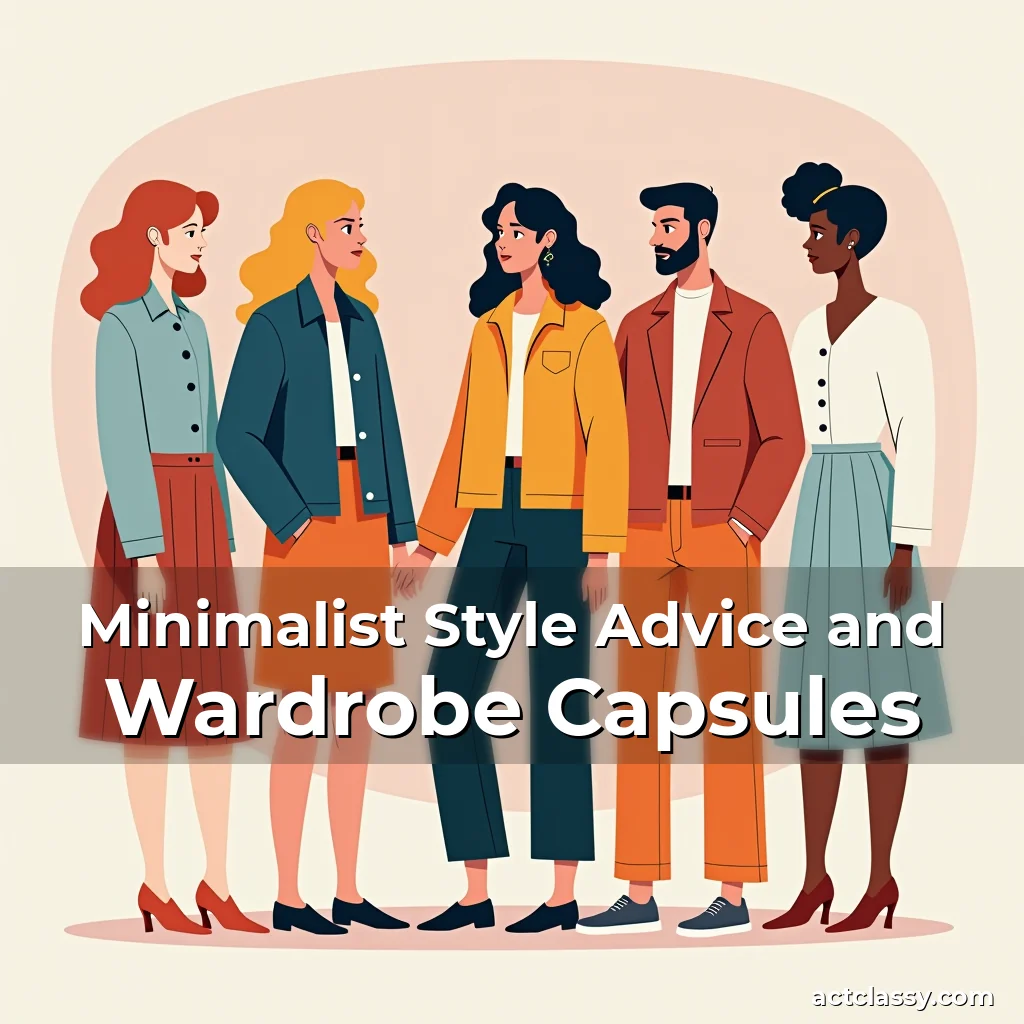
The Art of Timeless Elegance: Mastering Your Personal Style through Mindful Choices
In an era where fast fashion dominates our wardrobes and trends change faster than we can follow them, cultivating a personal style that reflects your values becomes essential. This guide explores how to create a wardrobe that’s both expressive and enduring, focusing not just on aesthetics but also on ethical considerations and long-term value.
The key to developing a signature look lies in understanding what makes you feel confident while aligning with your principles. Whether you’re drawn to minimalist aesthetics or prefer statement pieces, building a capsule collection from carefully selected items ensures versatility without sacrificing individuality.
Finding Your Signature Aesthetic Through Self-Awareness
Crafting a distinctive personal style begins with deep self-reflection. Take time to consider which elements make you feel most authentic—whether it’s classic tailoring, relaxed silhouettes, or bold patterns—and let these preferences guide your choices rather than chasing fleeting fads.
This process involves evaluating past experiences where certain outfits made you feel powerful versus those that left you feeling uncomfortable. By identifying recurring themes across these moments, you gain insight into what truly resonates with who you are at core level.
Consider creating mood boards filled with images that evoke strong emotional responses related to clothing styles. These visual references help clarify abstract ideas about desired aesthetics before translating them into tangible shopping decisions.
- Define Core Values: Ask yourself questions like ‘What do I prioritize when dressing?’ and ‘How does my attire affect my confidence levels?’ Answers often reveal deeper motivations behind style preferences.
- Analyze Body Language: Pay attention to non-verbal cues others give when seeing you dressed in particular ways. Positive reactions may indicate successful alignment between appearance and personality expression.
- Evaluate Cultural Influences: Consider heritage backgrounds or subcultures that have shaped your identity. Incorporating traditional garments or symbolic accessories can add depth to modern ensembles.
A practical approach is experimenting within defined parameters set by identified preferences. Try combining different textures while maintaining color consistency or mixing vintage finds with contemporary basics—all within boundaries established through initial introspection exercises.
Remember that true style evolution comes gradually; don’t expect immediate mastery over complex sartorial concepts. Allow space for growth as new influences enter life stages or professional environments change demands placed upon appearance.
Building Versatile Capsule Wardrobes for Everyday Life
Create foundational collections centered around neutral tones that serve as backdrops for bolder accents. These base colors provide flexibility allowing single versatile items to transition seamlessly between day-to-night scenarios without requiring entirely separate outfits.
Select high-quality staples such as well-fitted trousers, structured blazers, and tailored shirts that maintain shape after repeated wear. Quality investments ensure longevity reducing frequency of replacements thus supporting sustainable consumption habits naturally.
Strategically incorporate patterned separates limited enough so they remain special yet frequent enough to prevent monotony. Floral prints might work wonders during spring whereas geometric designs could bring structure during colder months depending on seasonal needs.
Choose accessories thoughtfully—they shouldn’t merely complete looks but enhance overall composition meaningfully. Opt for timeless jewelry pieces over trendy ones ensuring continued relevance across various age groups and occasions.
Dress Code Adaptability Within Capsule Frameworks
Develop dress code adaptability by categorizing wardrobe essentials according to function rather than occasion alone. Identify which items perform best under strict business requirements versus those better suited for casual gatherings thereby enabling quick transitions when circumstances shift unexpectedly.
Maintain cross-functional utility among garments by prioritizing layers capable of transforming simple combinations into formal appearances simply through addition/removal of outerwear. A crisp white shirt paired with jeans becomes office appropriate with only slight alterations like adding heels or changing footwear type.
Implement smart storage solutions facilitating rapid outfit assembly regardless of location changes—travel-friendly organization systems particularly beneficial considering today’s increasingly mobile lifestyles characterized by remote work opportunities.
Track usage patterns regularly adjusting inventory based on actual wear frequency instead of theoretical assumptions about necessity. This data-driven approach prevents accumulation of rarely used items while reinforcing commitment towards conscious consumerism practices.
Navigating Color Theory for Harmonious Outfits
Master basic color theory fundamentals starting with undertone identification—an essential step toward selecting complementary hues that flatter natural complexion tones effectively. Cool undertones generally benefit from blue-based palettes while warm skin types find greater harmony working with orange-red spectrum shades.
Explore monochromatic schemes using varying lightness/darkness levels within same hue family offering sophistication through subtle contrast without overwhelming visual senses. Navy blue skirts worn alongside lighter denim jackets exemplify elegant simplicity achievable through strategic shading variations.
Experiment cautiously with triadic color relationships found in nature providing organic balance compared to direct opposing colors which sometimes appear too harsh unless specifically styled appropriately (e.g., navy suits paired deliberately with bright red scarves).
Recognize that personal taste ultimately dictates final selections despite technical knowledge acquired regarding chromatic interactions. Trust instincts developed over years observing preferred combinations appearing consistently effective across diverse settings.
Essential Fabric Selection Criteria for Long-Term Investment
Prioritize fabrics known for durability including wool blends suitable for business attire, cotton-rich linens ideal for summer wear, and merino wool perfect for layering throughout seasons due to its exceptional temperature regulation properties.
Understand care instructions thoroughly since improper maintenance reduces lifespan significantly even among premium materials—investigate dry cleaning requirements or machine wash capabilities upfront avoiding costly mistakes later on.
Look beyond surface-level descriptions provided online researching fabric compositions closely especially when purchasing secondhand goods where labeling might be outdated or incomplete information exists.
Don’t overlook tactile qualities impacting comfort levels equally important as visual appeal. Soft cashmere feels luxurious against skin making it excellent choice for special events though less practical for everyday use due to delicate nature requiring careful handling.
Curating Accessorized Looks That Elevate Any Ensemble
Accessories transform ordinary outfits into memorable statements acting as focal points drawing admiration whenever worn correctly. Choose heirloom quality pieces passed down generations carrying sentimental value along with aesthetic beauty enhancing their significance beyond mere decoration.
Balance proportions meticulously ensuring no single accessory overwhelms entire ensemble visually—large earrings demand minimalistic necklaces conversely small stud earrings pair beautifully with chunkier pendant styles creating dynamic interplay between components.
Layer strategically using stacking techniques for bracelets or necklace sets permitting customization depending on event formality level required. Avoid overcrowding however keeping attention focused on select highlights rather than attempting full coverage which risks looking cluttered.
Invest in multi-purpose accessories serving dual functions such as belts doubling as wallet holders or watches incorporating GPS technology useful during travel periods adding convenience factor alongside stylish presentation.
Bridging Professional Etiquette with Fashion Sense
Professional environments necessitate nuanced interpretation balancing workplace norms with individual flair allowing creative expression within acceptable limits. Understand company culture first determining whether conservative business suits or more relaxed corporate casual policies prevail influencing selection criteria accordingly.
When unsure about appropriateness consult trusted colleagues or mentors familiar with unspoken rules governing attire expectations helping navigate potential missteps safely before attending meetings or client presentations.
Versatility remains crucial here too—owning adaptable pieces suitable for boardroom discussions yet still wearable post-work social engagements maintains fluidity between roles without needing excessive additional purchases.
Embrace the concept of power dressing selectively applying it where necessary but remembering that authenticity matters more than conformity; genuine confidence expressed through self-assured styling always leaves stronger impression than rigid adherence strictly dictated formats.
Sustainable Consumption Practices in Modern Styling
Adopt slow fashion mindset embracing intentionality over impulsive buying behaviors fostering appreciation for each garment owned promoting mindful decision-making processes concerning future acquisitions.
Support brands demonstrating transparency about production methods preferring companies committed environmentally responsible manufacturing techniques minimizing negative impact ecosystems globally.
Participate actively in circular economy initiatives returning unused items through resale platforms extending product lifespans contributing positively toward planetary health consciousness simultaneously nurturing personal style development organically over time.
Regularly audit current wardrobe assessing which pieces receive most frequent utilization versus neglected ones identifying areas ripe for curation pruning away redundant stock liberating mental energy spent worrying about choosing appropriate apparel daily.
Confidence Building Techniques Through Appropriate Dressing
Establish routines involving morning rituals centered around getting dressed intentionally treating this act as sacred moment reinforcing positive associations linking appearance with competence readiness facing challenges ahead.
Practice visualization techniques imagining success scenarios while wearing chosen outfits strengthening neural pathways connecting specific attire with associated achievements increasing likelihood experiencing similar outcomes physically manifesting these thoughts externally.
Surround oneself with affirmations reminding continually that clothing serves purpose empowering individuals rather than dictating worth—maintaining awareness preventing belief that self-esteem hinges solely upon external validation derived from appearance alone.
Engage regularly with mirror practice sessions focusing gaze directly onto reflection speaking aloud strengths observed cultivating internal dialogue aligned with aspirational versions of self striving relentlessly toward becoming those ideals concretely realized through consistent effort applied daily.
Cultivating a Distinctive Identity Beyond Traditional Categories
Challenge conventional definitions surrounding gendered fashion embracing inclusivity movement celebrating diversity expressing uniqueness irrespective assigned categories traditionally imposed society limiting self-expression unnecessarily.
Seek inspiration from eclectic sources spanning global cultures discovering rich traditions informing innovative interpretations merging historical motifs with contemporary silhouettes producing striking results reflecting multifaceted identities authentically represented visually.
Utilize mixed media approaches integrating textiles representing varied origins crafting narratives through layered storytelling elements embedded within garments themselves becoming canvases telling stories about journey undertaken shaping present self continuously evolving forward.
Allow experimentation free reign exploring hybrid styles blending disparate influences fearlessly creating original formulas defining personal brand unlike anything previously seen establishing legacy rooted firmly within authentic experience lived fully every day.
Conclusion
By implementing these strategies systematically over period time, you’ll cultivate a wardrobe that genuinely expresses your essence while remaining practical for real-life situations. Remember that true elegance emerges from harmonizing inner convictions with outer expressions forming cohesive whole that inspires respect and admiration wherever encountered.
Commit to ongoing refinement recognizing style as living entity growing alongside personal development journeys. Stay curious about emerging trends filtering them through lens already established values ensuring continuous evolution without losing touch fundamental truths guiding all decisions made regarding appearance management.


Related Posts


Style Advice for Different Body Types
Personal Style Advice for Career Success
