

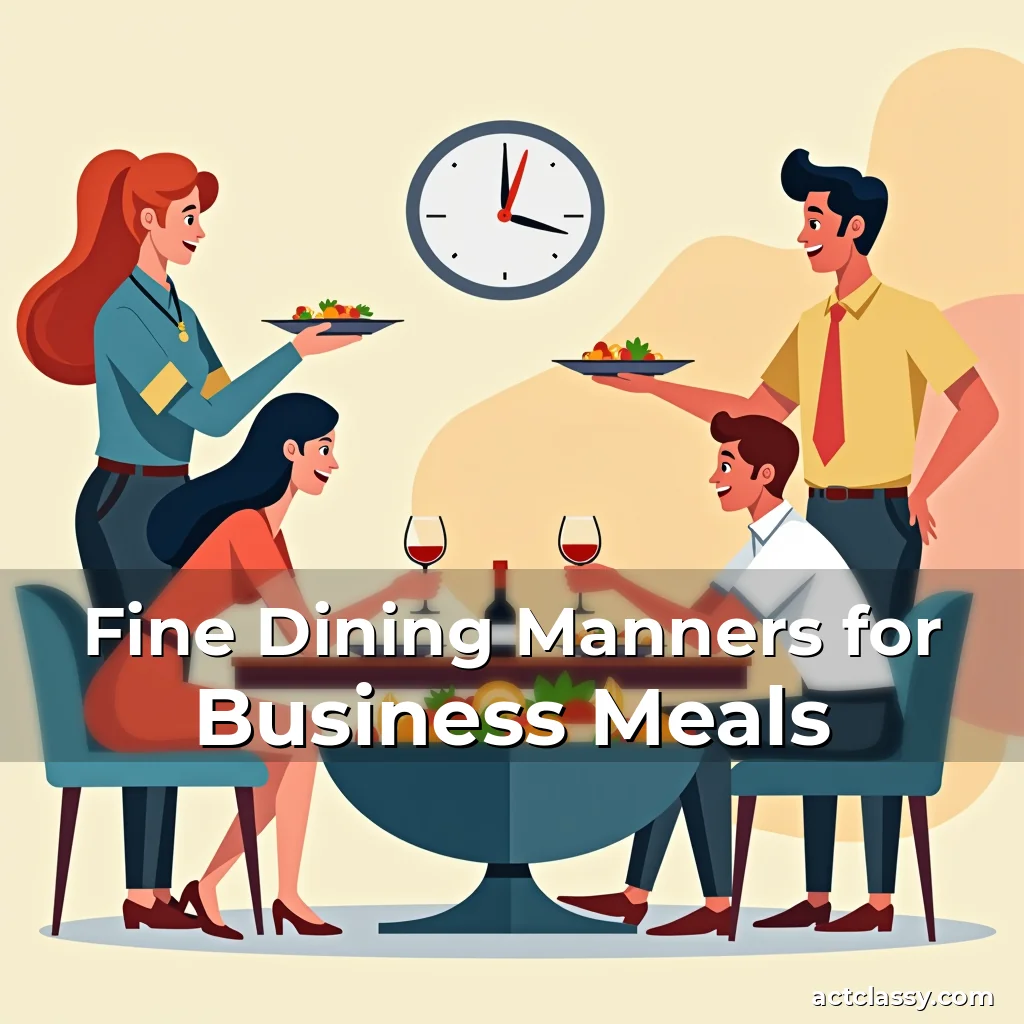
The Art of Fine Dining Etiquette in Professional Settings
In today’s competitive business world, mastering fine dining etiquette can be as crucial as any negotiation skill. Whether you’re meeting clients over a gourmet meal or attending an industry event at a Michelin-starred restaurant, knowing how to conduct yourself properly leaves lasting impressions that go beyond the dinner table.
From selecting the right fork to navigating wine pairings with confidence, professional dining requires attention to both subtle cues and formal protocols. Understanding these nuances helps build credibility while avoiding potentially embarrassing missteps during high-stakes encounters.
Dress Code Protocols for Executive Dinners
A well-tailored suit remains the gold standard for men attending corporate dinners. Dark charcoal or navy blazers paired with crisp white dress shirts create a polished appearance appropriate for upscale restaurants.
Ladies should opt for floor-length evening gowns or sophisticated cocktail dresses when attending business meals. Avoiding overly casual attire such as jeans or t-shirts demonstrates respect for the occasion and its participants.
- Men: A conservative tie is essential unless otherwise specified; patterned ties may appear too flashy for formal settings.
- Women: Jewelry should remain understated—opt for simple diamond studs rather than bold statement pieces.
Navigating Restaurant Seating Arrangements
Proper seating hierarchy reflects organizational structure within a company. The most senior individual typically sits closest to the head of the table, ensuring visibility and ease of conversation.
When entering a restaurant, guests should allow hosts to lead the way to their assigned seats. This gesture acknowledges the host’s role in organizing the event and maintains protocol.
Understanding Table Layouts
Modern executive dining tables often feature distinct seat arrangements based on status. At rectangular banquet-style setups, the person with highest authority usually occupies the central position facing the room.
Circular tables require slightly different positioning strategies. In these cases, the primary guest should sit directly across from the host, maintaining visual contact throughout conversations.
Maintaining Proper Posture During Meals
Erect posture conveys professionalism and attentiveness. Slouching or leaning back against chair backs signals disinterest and lack of engagement.
Your body language communicates volumes about your level of comfort and respect. Keep arms relaxed but not resting on tabletops—a natural seated position shows openness without being overly informal.
Mastering Utensil Usage in Formal Settings
Familiarizing oneself with correct utensil placement is critical. Silverware is arranged according to course order, starting from the outermost implements and working inward as dishes are cleared.
Never pick up silverware from another diner’s plate or attempt to rearrange utensils mid-meal. Let service staff handle dish replacements and adjustments between courses.
- Bread plates: Use butter knife only for spreading butter—not for cutting bread or eating it directly.
- Soup spoons: Hold soup spoon by the bowl, keeping fingers off the rim to avoid transferring germs.
Wine Pairing Etiquette for Corporate Events
Selecting complementary wines enhances both the culinary experience and the impression made upon colleagues. White wines generally pair better with seafood and lighter fare, whereas red wines complement heartier dishes.
When offered a drink, accept politely before examining the label. Never swirl or sniff wine in front of others—it appears undignified and unprofessional.
Decoding Wine Service Protocol
Professional servers follow strict pouring procedures. Allow them to pour wine until you signal with a slight nod—the universal cue indicating sufficient volume has been dispensed.
If you detect faults in the wine, do not criticize publicly. Politely request a replacement using discreet communication with the server instead of confronting the sommelier directly.
Conversation Strategies at Executive Dinners
Engaging in meaningful dialogue requires careful balance between showing interest and dominating discussions. Active listening skills become vital tools for building rapport among attendees.
Voice modulation plays an unexpected yet significant role in professional dining. Speaking softly and clearly avoids overwhelming other diners while demonstrating self-control and poise.
Cultivating Conversational Intelligence
Skilled professionals know when to contribute versus when to listen. Aim to speak approximately 60% less than your counterparts during multi-person interactions to maintain respectful participation levels.
Be prepared to discuss current events relevant to the industry. However, steer clear of controversial topics that might cause discomfort or disagreement among attendees.
Handling Dishes with Appropriate Technique
Using proper tableware handling techniques prevents accidental spills and maintains decorum. Always hold plates by their edges, never allowing fingertips to touch the surface area.
When passing dishes around the table, use your left hand for convenience so that your dominant right hand remains free to greet others or engage in conversation naturally.
Paying Respect Through Complimentary Remarks
Giving thoughtful compliments demonstrates appreciation while reinforcing positive associations with the establishment. Focus praise specifically on food quality, presentation, and service excellence.
Refrain from exaggerated claims or hyperbole. Authentic expressions of gratitude carry greater weight than overstated declarations of enjoyment.
Departure Procedures and Final Impressions
Before leaving, ensure all personal belongings have been collected. Leaving items behind creates a poor final impression that undermines previous efforts to make a strong connection.
Express sincere thanks to everyone present, including support staff who contributed indirectly to your dining experience. Gratitude extends beyond immediate contacts to encompass all involved parties.
Etiquette for Special Dietary Needs
Disclosing dietary restrictions ahead of time allows venues to accommodate requests appropriately. Provide advance notice through the reservation process whenever possible.
During the meal, refrain from drawing undue attention to special needs. Maintain normal conversational tone when discussing menu options or requesting modifications.
Cultural Sensitivity in Global Dining Environments
International business meetings demand heightened cultural awareness regarding dining customs. Research local norms beforehand to avoid unintentional offenses related to gestures or table behavior.
Respect regional differences in table mannerisms, even if they differ from your own traditions. Adapting to new environments demonstrates flexibility and global competence.
Technology Considerations at High-End Restaurants
Keeping mobile devices out of sight preserves the atmosphere of refinement associated with elite dining experiences. Silence phones completely before entering dining areas.
If urgent communications arise, excuse yourself discreetly before taking calls away from the table. Returning promptly shows consideration for fellow diners’ time and presence.
Building Long-Term Relationships Through Dining Etiquette
Consistently applying proper dining protocols fosters trust and goodwill among business associates. These small acts of courtesy accumulate into powerful relationship-building moments over time.
Developing refined dining habits becomes second nature through regular practice. As proficiency increases, confident execution of proper procedures strengthens professional credibility.
Conclusion
Proficient knowledge of fine dining etiquette provides distinct advantages in professional networking scenarios. Mastery of these principles transforms routine meals into opportunities for creating memorable connections.
By consistently practicing appropriate dining behaviors, individuals elevate their professional presence and reinforce their commitment to excellence in every aspect of business engagement.
“`


As someone who has always found himself involved with online media in one form or another in my career, I have developed a passion for educating myself on the latest developments in publishing and social media and try to bring my love of the medium into my numerous projects.
You May Also Like


Professional Behavior Under Pressure
The Art of Professionalism in High-Stakes Environments In today’s fast-paced professional world, maintaining composure under pressure is not merely an...
Fine Dining Restaurant Manners and Protocol
Fine Dining Restaurant Manners and Protocol Fine dining experiences demand more than exceptional cuisine—they require mastery of refined social customs,...

Public Speaking Body Language and Gestures
Mastering Public Speaking: Etiquette, Presence, and Poise In today’s fast-paced world, public speaking has evolved beyond mere delivery—it's now a...

Improving Your Body Language Awareness
Unlocking the Silent Conversation: Mastering the Art of Nonverbal Communication in Everyday Life The way we stand, sit, move, and...
Related Posts

Confident Body Language for Public Speaking


A (More or Less) Safe for Work Look at the World of Superhero Porn