
The Fundamentals of Utensil Usage
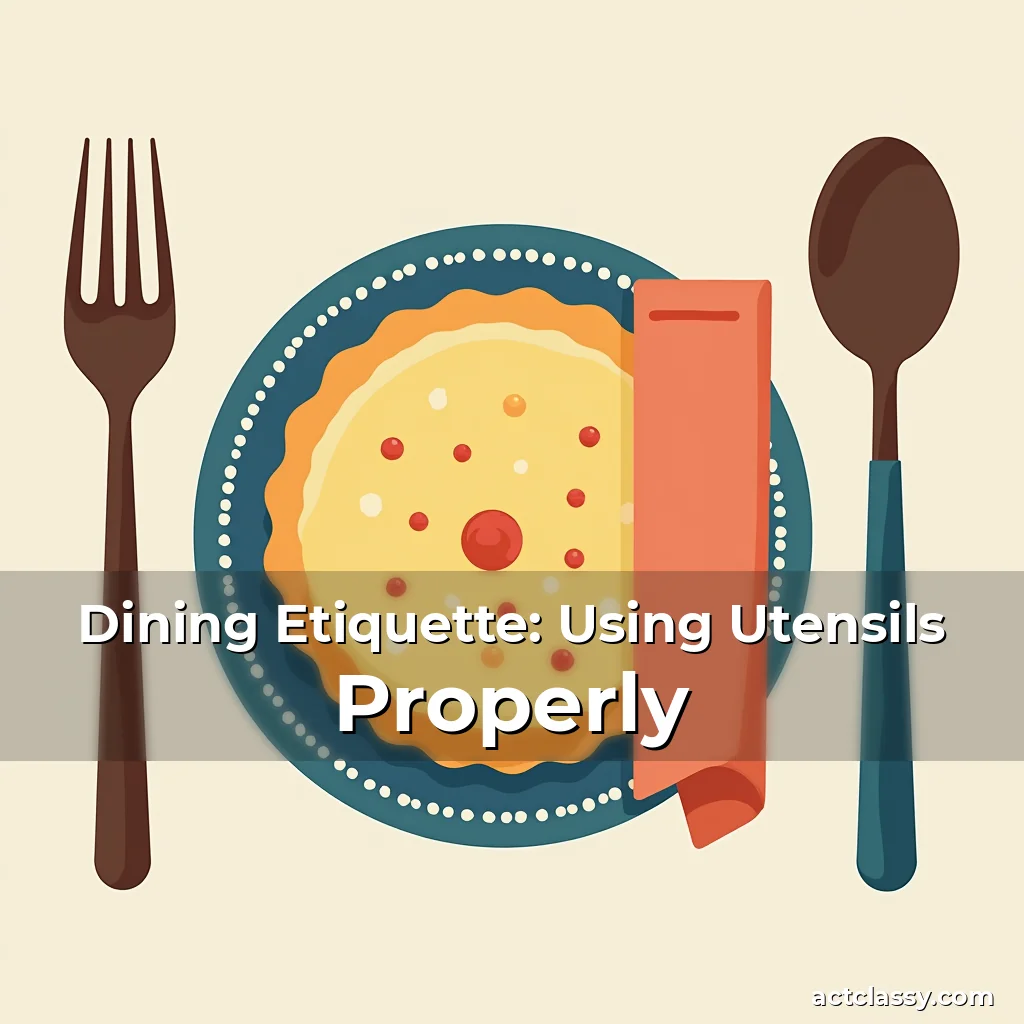
Proper use of utensils is among the first lessons taught in dining etiquette, serving as a visual indicator of someone’s attention to detail and respect for shared spaces. In Western cultures, knives, forks, and spoons are typically used in a specific order, depending on the course being served. Understanding this hierarchy ensures smooth meal progression without disrupting fellow diners.
The placement of utensils plays a subtle but significant role in signaling whether a guest has finished their meal or plans to continue eating. Traditionally, utensils are arranged from the outside inward, with the outermost fork or spoon reserved for the first course. When finishing a dish, placing the utensils parallel to the plate conveys completion, while leaving them crossed or angled suggests you’re still eating.
- Fork Positioning: Hold the fork in your left hand when using a knife, with tines facing downward. Never rest the fork on the edge of the plate unless you’re ready to eat another bite.
- Spoon Handling: Spoons should be held with the bowl facing up and the handle positioned comfortably in the right hand. Avoid dipping the spoon too deeply into soup or liquid-filled dishes.
Modern variations exist, particularly in informal settings where relaxed norms prevail. However, adhering to standard techniques ensures clarity and avoids unintentional missteps. Practice using utensils in different lighting conditions to maintain precision even in challenging environments.
When transitioning between courses, always pick up your utensils only when necessary. Leaving them untouched until the next course begins prevents confusion and maintains a polished appearance. If you encounter difficulties handling a utensil due to physical limitations, politely inform the host beforehand so accommodations can be made discreetly.
Navigating Seating Arrangements and Place Settings
Seating arrangements often follow unspoken protocols designed to honor guests and facilitate natural conversation flow. At formal dinners, chairs closest to the center of the table are typically reserved for the most distinguished individuals, while those near the edges are intended for less prominent attendees. Observing these cues demonstrates attentiveness to tradition and social dynamics.
Place settings provide additional clues about expected behavior during meals. The presence of multiple plates, cutlery sets, and glassware indicates multi-course meals requiring careful transitions. Noticing which items are already placed on your setting helps avoid unnecessary movement once seated. Always wait for the host to indicate when it’s appropriate to begin eating.
The Role of Napkins and Hand Placement
A napkin serves dual purposes: maintaining cleanliness and signaling engagement with the meal. Upon sitting down, place the napkin on your lap immediately, folding it neatly rather than crumpling it. Throughout the meal, keep your hands visible above the table surface to convey openness and courtesy.
If you need to leave the table temporarily, fold your napkin and place it beside your plate rather than on the chair. This gesture communicates that you’ll return promptly and haven’t concluded your meal. Never drape the napkin over your shoulders or use it as a makeshift fan—it violates established norms of decorum.
The Art of Conversation During Meals
While food is central to dining experiences, meaningful dialogue elevates gatherings into memorable events. Engaging in thoughtful conversations requires balancing participation with discretion, ensuring everyone feels included and respected. Avoid dominating discussions or monopolizing the spotlight, especially around new acquaintances.
Voice modulation is equally important—speaking softly prevents startling nearby diners, while projecting sufficiently allows others to hear without straining. Refrain from discussing controversial subjects like politics, religion, or sensitive personal matters unless the group has explicitly agreed upon open discussion. Maintaining a light-hearted tone fosters inclusivity and comfort.
Paying attention to nonverbal signals is essential for gauging interest levels in conversations. Nodding occasionally, smiling appropriately, and leaning slightly forward demonstrate active listening. Conversely, crossing arms or turning away might signal disengagement, potentially alienating conversational partners.
Celebrating milestones or acknowledging achievements through brief comments adds warmth to interactions. Expressing gratitude toward hosts or thanking others for sharing stories contributes positively to the atmosphere. Remember that moderation is key—over-sharing or speaking excessively can overwhelm listeners.
Managing Food Presentation and Consumption
The way food is handled and consumed reflects not only individual habits but also broader societal expectations regarding politeness and restraint. Eating slowly and deliberately shows appreciation for the cuisine while allowing time to savor flavors fully. Rushing through meals may appear impolite or indifferent to culinary efforts.
Using utensils exclusively for cutting, scooping, or lifting food maintains hygiene standards and avoids direct contact with communal dishes. When using fingers to eat, do so only for foods traditionally consumed this way (e.g., pizza crusts or sandwiches). Otherwise, relying solely on utensils preserves elegance and adherence to conventions.
- Chewing Practices: Chewing thoroughly before swallowing reduces noise and discomfort, making subsequent bites easier to manage. Avoid talking with your mouth full—a habit considered distasteful across many cultures.
- Drinking Etiquette: Sip beverages quietly rather than gulping loudly. Never pour drinks directly into someone else’s glass; instead, offer assistance using appropriate service tools.
Expressing enjoyment of food subtly reinforces positive impressions. Complimenting the chef or host on presentation choices encourages future generosity without sounding insincere. Acknowledge allergies or dietary restrictions respectfully to ensure inclusive experiences for all guests.
Leaving leftovers behind requires tactful consideration. Taking modest portions initially allows room for adjustments based on appetite changes later in the evening. If you finish your portion early, refrain from requesting seconds unless it’s clear the host expects generous servings.
Handling Special Situations with Grace
Dining etiquette becomes particularly nuanced when unexpected challenges arise—such as spills, choking hazards, or technical malfunctions involving silverware. Responding calmly and swiftly reassures fellow diners and maintains composure amidst disruptions. Practicing emergency preparedness ahead of time minimizes panic moments.
If spilling occurs accidentally, apologize sincerely and address the situation discreetly. Do not draw undue attention to yourself; simply clean up the mess efficiently without causing further disturbance. Similarly, if experiencing difficulty breathing or swallowing, seek immediate assistance from nearby staff members rather than attempting independent resolution.
Technical issues with electronic devices (like smartphones) should never disrupt mealtime interactions. Power off screens completely when not in use and limit notifications to emergencies only. Prioritizing face-to-face communication strengthens bonds formed during shared meals.
Accommodating diverse preferences demands sensitivity towards religious observances, medical conditions, and personal boundaries. Researching common customs beforehand enables respectful inclusion of all participants regardless of background differences. Demonstrating curiosity about unfamiliar traditions enriches collective learning opportunities.
Elevating Personal Style Through Table Manners
Beyond basic compliance with rules lies an opportunity to cultivate distinctive charm through refined behaviors at tables worldwide. Small acts—like complimenting others’ attire or remembering names—create lasting memories far exceeding mere obedience to arbitrary regulations. Infusing authenticity into interactions transforms rigid frameworks into living expressions of character.
Developing signature mannerisms, such as consistently offering seats to elderly individuals or holding doors open for strangers, builds reputation as someone who values community spirit. These actions extend hospitality beyond formal occasions, reinforcing consistent ethical commitments in daily life.
Studying historical accounts reveals how aristocratic families maintained strict codes governing conduct during banquets—an inheritance preserved within modern societies despite evolving technologies and globalization trends. Recognizing continuity between past and present connects us meaningfully across generations through shared human experiences centered around nourishment and fellowship.
Ultimately, mastery of dining etiquette transcends superficial appearances; it embodies deep-seated respect for humanity itself. By embracing its principles knowingly, we contribute constructively to creating harmonious environments wherever we dine—with family, friends, coworkers, or complete strangers alike.
Conclusion
Dining etiquette encompasses much more than simple rule-following—it represents intentional efforts toward building stronger connections rooted in mutual regard. Every choice made at the table shapes interpersonal relations profoundly, influencing outcomes ranging from business deals to lifelong friendships forged over shared meals.
To apply these teachings effectively, practice regularly in varied situations while remaining adaptable according to context-specific nuances. With patience and dedication, anyone can transform ordinary dining encounters into extraordinary displays of class and kindness that resonate long after plates are cleared away.


Related Posts


Wine Dining Etiquette: Tasting and Pairing

Dining Etiquette for Difficult Foods