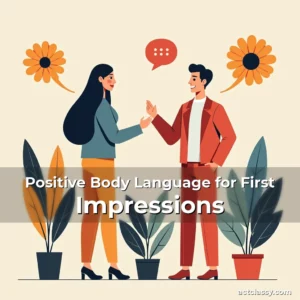


The Silent Symphony of Influence: Mastering Body Language in Everyday Interactions
In an age where communication is often reduced to digital exchanges, body language remains a powerful yet underutilized tool that speaks volumes without uttering a single word. It’s not merely about standing tall or making eye contact; it’s a nuanced dance of gestures, expressions, and postures that can either build bridges or erect barriers in our interactions.
For those who seek to enhance their personal presence, understanding the subtleties of body language is essential. Whether you’re navigating professional settings, social gatherings, or even casual conversations, your nonverbal cues play a critical role in shaping perceptions and influencing outcomes.
Deciphering Nonverbal Cues: An Introduction to Body Language Fundamentals
At its core, body language refers to the unconscious physical signals we emit through our movements, facial expressions, posture, and eye contact. These cues often reveal what words may fail to express, providing insight into true emotions and intentions.
Experts estimate that up to 93% of human communication occurs nonverbally, emphasizing the importance of mastering these subtle signals. This statistic underscores why being aware of both your own and others’ body language is crucial for effective interaction.
Understanding basic elements such as open versus closed postures helps distinguish between confidence and defensiveness. A relaxed stance with uncrossed arms typically conveys openness and approachability compared to crossed arms which might signal resistance or discomfort.
Facial expressions also hold significant weight. Smiles, frowns, raised eyebrows—all convey different messages depending on context. For instance, while genuine smiles reflect happiness and warmth, forced ones might come across as insincere or awkwardly timed.
- Eye Contact: Maintaining appropriate eye contact shows respect and engagement but excessive staring can feel intimidating.
- Gestures: Hand movements should complement speech rather than distract from it—moderation key here.
- Proxemics: Personal space varies culturally; respecting boundaries enhances comfort levels during interactions.
The Psychological Impact of Posture and Movement
Your posture sends clear signals about self-confidence and readiness to engage. Slouched shoulders suggest disinterest or lack of energy whereas upright positioning exudes authority and attentiveness.
Research conducted by Harvard Business Review found that individuals adopting power poses before high-stakes situations experienced increased testosterone levels and decreased cortisol—an indicator of enhanced psychological resilience.
This physiological shift doesn’t just affect internal states; it influences how others perceive us too. People tend to associate confident postures with competence and leadership qualities, reinforcing positive impressions subconsciously.
Movement patterns further contribute to perception. Purposeful strides speak louder than hesitant steps when entering meetings or greeting colleagues. Conversely, quick, erratic motions might inadvertently communicate nervousness or agitation.
It’s worth noting that cultural norms significantly shape acceptable behaviors around posture and movement. What appears assertive in one culture could be seen as aggressive elsewhere—a consideration vital for international business engagements.
Facial Expressions: Windows Into Emotional States
Our faces are incredibly expressive canvases capable of conveying complex emotional landscapes instantaneously. Micro-expressions—brief flashes lasting less than half a second—often expose underlying feelings regardless of verbal reassurances.
A study published in the Journal of Personality and Social Psychology revealed that people accurately interpret facial expressions over 60% of the time, highlighting their pivotal role in daily communications.
Naturally occurring smile lines around eyes (crow’s feet) indicate authentic joy versus pursed lips which might imply skepticism or displeasure. Recognizing these distinctions allows for better empathy and response calibration during dialogues.
Cultural differences manifest clearly within facial expression interpretation too. In some East Asian cultures, direct eye contact might be considered disrespectful toward elders whereas Western counterparts view it as signifying honesty and courage.
To leverage facial expressions effectively requires awareness beyond mere mimicry—it involves aligning them genuinely with intended sentiments so they don’t appear rehearsed or artificial.
Taking Control of Your Space Through Proxemics
Personal space acts as invisible armor protecting individuality while facilitating connection. Understanding proxemic zones aids in managing interpersonal distances appropriately based on relationship dynamics and situational contexts.
The four primary spatial categories identified by Edward T. Hall include intimate distance (within arm’s reach), personal distance (arm’s length apart), social distance (a few feet away), and public distance (more than five feet). Navigating these comfortably prevents unintentional invasions that breed discomfort.
Cultural variations complicate matters further. Individuals from Mediterranean backgrounds generally prefer closer proximity during conversation compared to Northern Europeans who value greater separation.
Appropriately adjusting one’s stance according to preferred interpersonal spacing fosters mutual respect and ease in various environments—from boardrooms to family dinners.
Learning to read others’ comfort levels regarding closeness enables adaptive responses ensuring neither party feels cramped nor neglected. This sensitivity becomes particularly useful during networking events or cross-cultural encounters.
Eyes as Mirrors of Attention and Interest
Beyond just seeing, eyes function as potent indicators of attention span and interest level. Sustained gaze demonstrates active listening skills whereas frequent blinking might hint at distraction or anxiety.
However, maintaining consistent eye contact isn’t always feasible especially considering factors like visual impairments or medical conditions affecting ocular mobility. Awareness of such limitations ensures respectful alternatives exist without compromising authenticity.
Varying degrees of eye contact serve distinct purposes: prolonged glances establish rapport while periodic breaks allow for natural breathing pauses enhancing conversational flow.
Eye direction holds additional significance. Looking downward might signify uncertainty or deference, whereas upward gazes sometimes correlate with introspection or contemplation.
Practicing mindful observation helps discern when someone desires deeper connection versus seeking confirmation of comprehension—crucial nuances guiding responsive dialogue strategies.
Haptic Communication: Touch as a Universal Language
Physical touch serves as another formative aspect of nonverbal discourse varying widely across societies and relationships. Its use ranges from formal handshakes signaling agreement down to comforting embraces offering solace.
Though universally present, touch carries differing meanings contingent upon contextual framing. A firm handshake embodies professionalism while soft pats on backs foster camaraderie among friends.
Respecting individual thresholds regarding tactile exchanges proves fundamental. Some cultures discourage any form of physical intimacy unless pre-established trust exists; thus requiring heightened sensitivity towards unspoken rules governing bodily contact.
Studies have shown that gentle touches like shoulder taps or back rubs release oxytocin promoting bonding experiences—underscoring why hugging after losses reduces stress hormones dramatically.
Yet caution prevails against misinterpretations stemming from inappropriate applications. Unwanted hugs risk violating privacy concerns hence necessitating prior knowledge about recipient preferences surrounding physical affection.
Pacing Yourself: Rhythm of Movement Influences Perception
The speed at which we move communicates much about personality traits and current mental state. Quick, energetic gait suggests enthusiasm while slow deliberate pacing implies thoughtfulness or deliberation.
This rhythmic component extends beyond walking style impacting gesture tempo during discussions—rapid hand motions might convey excitement yet potentially overwhelm listeners.
Synchronizing motion pace with conversation cadence facilitates smoother transitions between topics maintaining listener engagement throughout dialogues.
Interestingly enough, matching another person’s movement rhythm creates subconscious alignment increasing likability ratings according to psychological studies focusing on mirroring effects.
Adapting speeds accordingly becomes strategic advantage enabling control over perceived intensity levels suitable for diverse scenarios whether calming heated debates or energizing team collaborations.
The Artistry Behind Gestures: Symbolism and Meaning
Gestures transcend simple actions evolving into rich symbolic representations laden with cultural meaning. Pointing fingers commonly indicates directions yet frequently correlates with accusatory tones altering intent substantially.
Cultural specificity governs many gestural interpretations—for example, ‘thumbs up’ signifies approval globally except within Middle Eastern regions where it denotes insult instead.
Hands positioned palm outward usually expresses openness however turning palms inward can symbolize secrecy or deception depending on context provided.
Recognizing common symbols across languages broadens communicative repertoire allowing clearer transmission despite linguistic disparities encountered abroad.
Developing fluency in universal signs coupled with local customs equips travelers and diplomats alike with indispensable tools navigating multicultural interactions successfully.
Leveraging Silence: The Power of Pauses and Pacing
Sometimes absence itself speaks loudest—pausing strategically introduces moments of reflection inviting deeper processing within audiences. Deliberate silences contrast sharply with hurried speech patterns fostering attentive absorption.
Pauses aren’t passive voids but intentional intervals punctuating narratives creating suspense or emphasis. They grant speakers opportunity recalibrate thoughts ensuring clarity amidst complexity.
Timing silence correctly hinges upon observing audience reactions identifying optimal junctures halting mid-sentence permits reconsideration of phrasing choices yielding improved delivery quality overall.
Conversely, prolonged muteness without purpose risks alienating participants expecting continuous exchange hence balance emerges imperative between silence usage and verbal contribution frequency.
Mastering pause application transforms monotony into dynamic interplay elevating speaker influence considerably when executed judiciously aligned with message intent.
Reading Between Lines: Decoding Others’ Subtle Signals
Detecting microexpressions offers profound insights revealing hidden truths beneath polished exteriors. These fleeting glimpses expose raw emotions momentarily escaping conscious suppression mechanisms.
Identifying early signs of distress such as tightened jawlines or shallow breath rhythms enables timely interventions preventing escalation toward conflict resolution deadlocks.
Attentively monitoring shifts in vocal inflection alongside accompanying body shifts provides holistic assessment aiding accurate interpretation efforts.
Regular practice improves detection abilities refining capacity recognize incongruencies existing between spoken words and exhibited demeanor prompting follow-up inquiries addressing potential misunderstandings proactively.
Cultivating observational acumen enhances empathy development strengthening relational bonds built on mutual understanding achieved through transparent communication channels established via acute awareness techniques.
Etiquette Etiquette: Cultural Sensitivity in Body Language
Successful navigation global terrain demands respect towards divergent approaches defining appropriate conduct. Missteps rooted ignorance cultural norms invite confusion potentially damaging diplomatic relations or business ventures alike.
Simple gestures holding neutral meaning domestically may provoke offense overseas exemplified by middle finger symbolism widely recognized as vulgar expression contrary to innocuous status locally.
Preparation entails researching destination country practices including greetings rituals, dining table conventions, and gender-specific expectations governing physical interactions.
Remaining adaptable allows flexibility responding authentically irrespective geographical location while honoring indigenous traditions preserving integrity throughout cross-border engagements.
Building awareness continuously through educational resources expands repertoire supporting informed decision-making bolstering effectiveness across multicultural milieus.
Training Your Mind and Muscles: Techniques for Improvement
Cultivating proficiency necessitates dedicated effort involving conscious practice sessions targeting improvement areas identified previously discussed segments comprising postural adjustments, facial expression modulation, and gesture refinement exercises.
Videotaping rehearsals captures real-time performance permitting objective evaluation pinpointing inconsistencies needing correction ultimately leading enhanced consistency across varied situations.
Engaging mentors skilled practitioners provides personalized feedback accelerating progress rates surpassing solitary learning methods constrained limited perspective angles available self-assessment alone.
Consistency breeds habit formation cementing learned behaviors permanently embedding new skills becoming reflexive components regular interactions thereby maximizing utility derived improvements attained through structured training regimens.
Integrating mindfulness routines encourages heightened self-awareness necessary sustaining focus required executing precise nonverbal instructions consistently throughout extended periods interacting socially professionally.
Putting Theory Into Practice: Real-Life Applications
Implementing acquired knowledge benefits immensely practical scenarios demanding keen attention to detail such as job interviews where first impressions carry heavy weighting determining future opportunities.
During negotiations leveraging calculated pauses combined with measured gestures bolsters bargaining positions establishing credibility enhancing chances favorable outcomes materializing efficiently.
Public speaking engagements profit greatly from synchronized pacing congruent message structure ensuring coherent narrative progression maintained seamlessly throughout presentation duration.
Personal relationships flourish underpinning empathetic connections forged through attentive reading signals transmitted unconsciously augmenting depth sincerity characterizing meaningful associations cultivated enduringly.
Continuous reinforcement through repeated exposure solidifies mastery transforming theoretical principles into instinctual responses applicable broadly spanning life’s multifaceted domains without explicit effort required maintenance competency standards achieved initially.
Conclusion: Harmonizing Words With Actions
Ultimately, mastering body language transcends technical skill acquisition—it cultivates harmonious resonance between expressed ideals actual behavior reflecting authentic selves through refined physical manifestations conveying desired messages clearly unequivocally.
By embracing conscious cultivation habits developed above, individuals empower themselves influential agents change wielding silent symphonies orchestrating impactful interactions enriching every facet existence positively forevermore.


Related Posts

Confident Body Language for Public Speaking
The Silent Symphony: Decoding Body Language in Modern Etiquette